Demystifying the Sakura Front: How Cherry Blossom Forecasts Work
Chasing the elusive sakura (cherry blossom) front is a masterclass in patience, meteorology, and flexibility. Every winter, meteorological agencies across East Asia—most notably Japan's Weather News and the Japan Meteorological Corporation (JMC)—release a series of predictive models tracking the blooming progress from the subtropical islands of Okinawa up to the snowy peaks of Hokkaido.
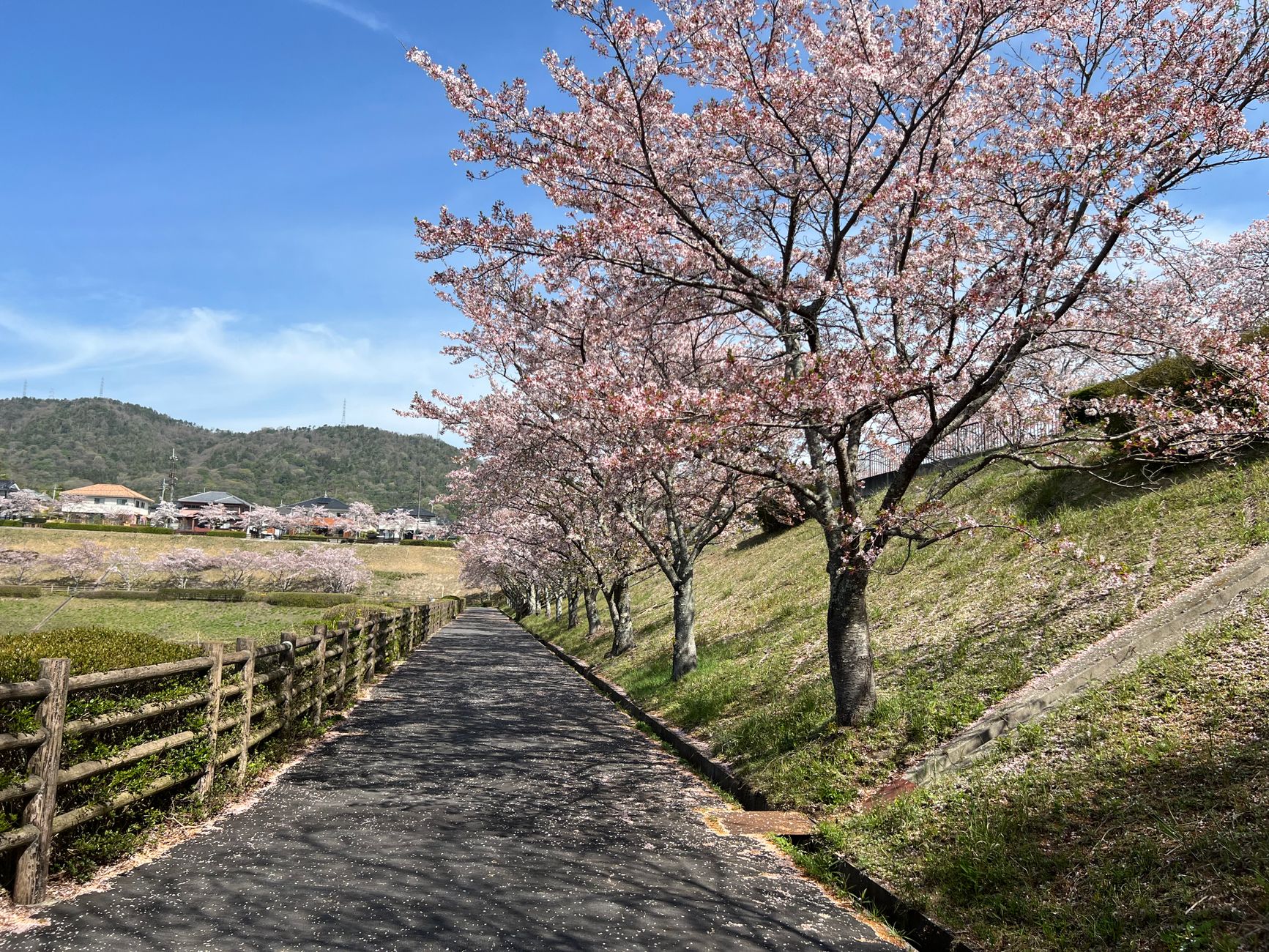
Understanding these forecasts requires looking beyond a single date. Peak bloom (mankai), typically occurring about a week after the first opening buds (kaika), lasts only a few fleeting days. Sudden spring frosts, heavy rains, or unseasonably warm winds can drastically accelerate or truncate the season. To build a resilient itinerary, consult our Tested Itinerary Plan designed specifically around shifting bloom windows.
Timing Your Trip: By Region and Micro-Climate
Because geography dictates the bloom, your travel dates will depend entirely on where you aim to drop your picnic mat. Japan remains the global epicentre, but South Korea and parts of the Pacific Northwest offer equally stunning displays.
- Late March to Early April: Tokyo, Kyoto, Osaka, and Jeju Island in South Korea. Expect peak vibrancy, but also the highest density of global travelers.
- Mid-April: Northern Honshu (Sendai, Aomori) and Seoul, South Korea. These regions offer a slightly slower pace and fewer crowds.
- Late April to Early May: Hokkaido (Sapporo, Hakodate) and high-elevation mountain passes. Perfect for travelers looking to extend the spring season.
Cultural Pro-Tip: Don't overlook Yozakura (night cherry blossoms). Parks like Tokyo's Ueno or Kyoto's Maruyama illuminate their trees with paper lanterns, creating a magical, ethereal atmosphere long after the sun goes down.
Beyond the Crowds: Secret Viewing Spots and Alternative Destinations
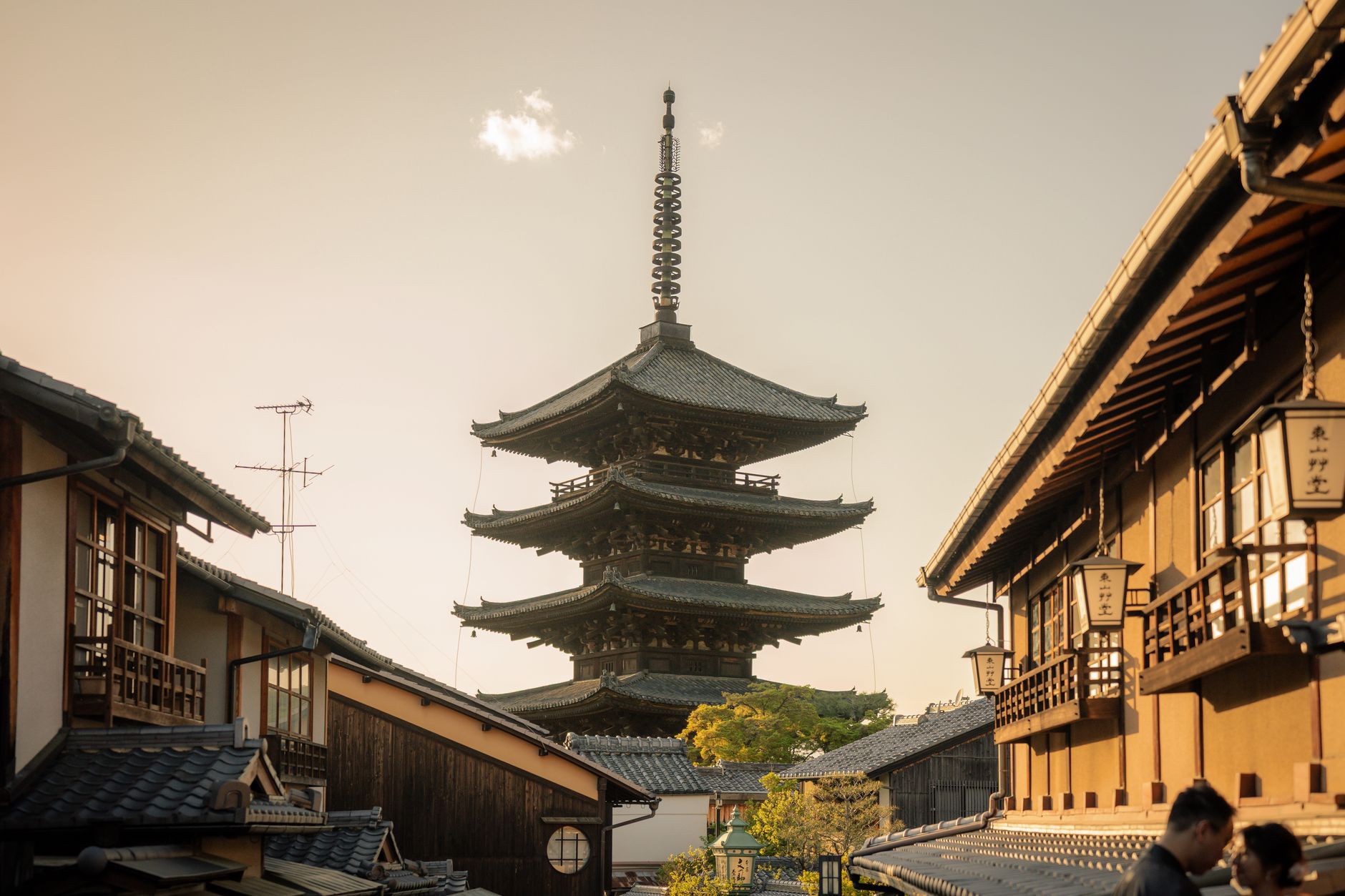
While Kyoto's Philosopher's Path and Washington D.C.'s Tidal Basin are world-famous, they also attract staggering crowds that can detract from the contemplative nature of hanami. To truly experience the poetry of the season, look to secondary destinations or hidden neighborhood pockets.
Instead of fighting for space in Kyoto, consider taking a short train ride to Yoshinoyama in Nara Prefecture, where over 30,000 cherry trees cloak mountain ridges in cascading tiers of white and pink. For urban explorers, neighborhoods like Nakameguro in Tokyo offer canal-side walks lined with blooming branches, flanked by artisan coffee shops and boutique bakeries. Read our comprehensive Comprehensive Guide to unearth more hidden regional gems.
Budgeting for Peak Season: Managing Costs When Demand Surges
Cherry blossom season is universally categorized as high season, meaning flight prices, traditional ryokan rates, and boutique hotel bookings skyrocket months in advance. Strategic budgeting is essential to keeping your trip financially viable.
- Book 8-10 Months Out: Premium accommodations near major viewing parks sell out almost a year in advance.
- Embrace Secondary Cities: Staying in Otsu instead of central Kyoto can save you up to 50% on lodging while keeping you within a 15-minute train ride of major sites.
- Dine Like a Local: Elevate your culinary experience by assembling your own gourmet hanami bento box from basement food halls (depachika) rather than dining at overpriced tourist-trap cafes. Explore our Food & Drink Highlights for the best seasonal spring treats.
Crafting Your Itinerary with the Voyage Roams Trip Planner
Because nature operates on its own schedule, building a rigid, unyielding itinerary is the fastest way to miss peak bloom. Instead, design a modular travel plan that allows you to pivot your train routes northward or southward depending on real-time meteorological updates.
Use the interactive Voyage Roams Trip Planner to map out alternate routes, saving backup hotels in neighboring prefectures just in case the blossoms arrive a week early or late.
Traveler's FAQ & Practical Takeaways
What is the best way to track daily bloom updates?
Download localized weather apps like Japan's Weather News or follow real-time hashtags on social media channels where local photographers post daily tree-status updates from specific parks.
How long does the peak bloom actually last?
From the moment a tree reaches mankai (peak bloom), the petals typically remain vibrant for about 5 to 7 days, depending heavily on wind and rain conditions.
Can I view cherry blossoms without booking far in advance?
Yes, but it requires radical flexibility. Consider last-minute travel to regions with later blooms like Hokkaido, or be prepared to stay in business hotels on the outskirts of major metropolitan areas.