The Ultimate Costa Rica Travel Guide: Insider Tips for Pura Vida Explorers
Navigate the rainforests, surf breaks, and cloud forests like a seasoned local with our definitive guide to Costa Rica.

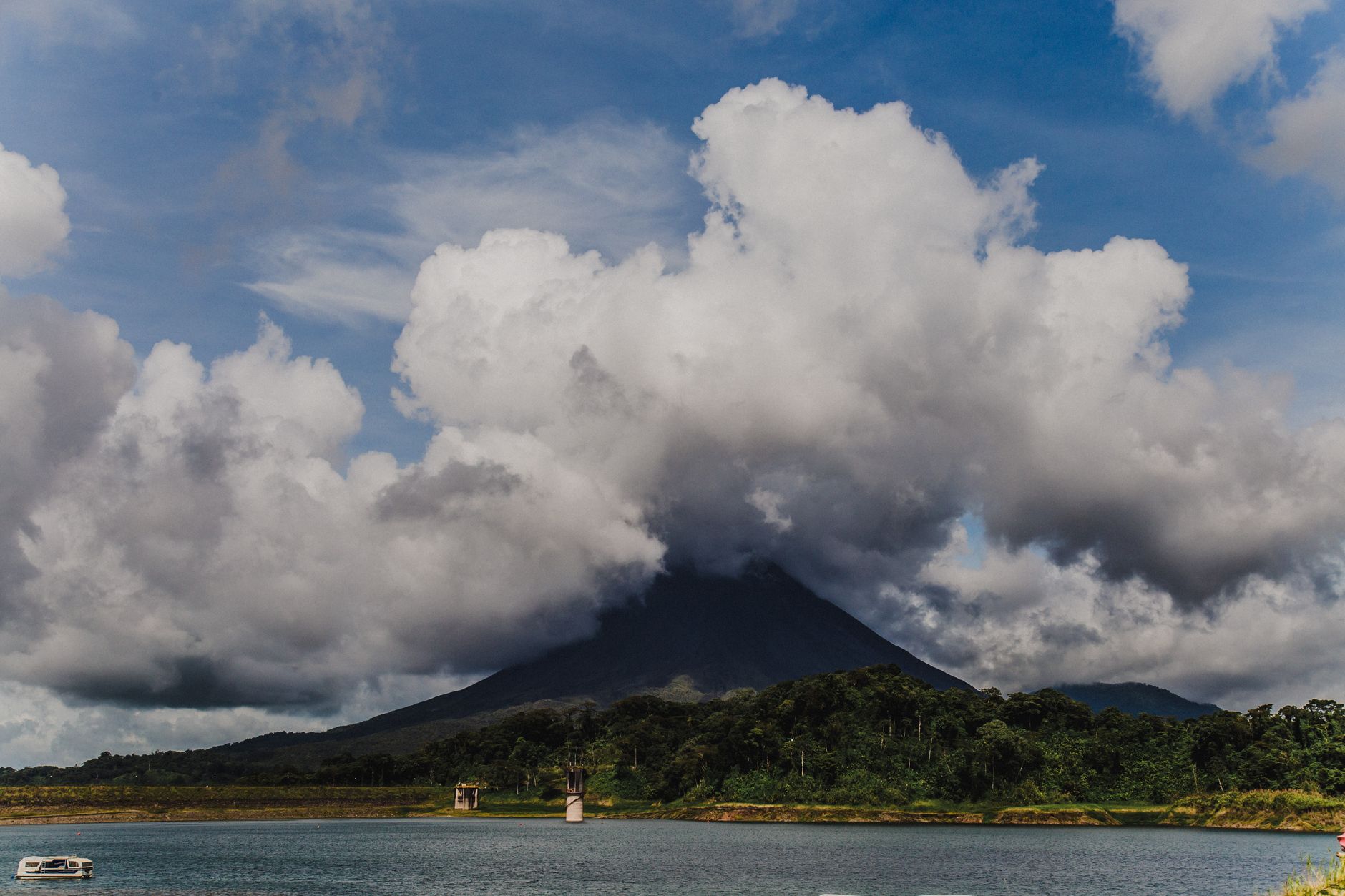
Welcome to Costa Rica, a trailblazer in ecotourism and a sanctuary of biodiversity. Whether you are chasing world-class surf breaks, hiking through mystical cloud forests, or simply embracing the national mantra of pura vida, this Central American gem rewards the curious traveler. To help you navigate your journey seamlessly, we have curated the ultimate collection of expert advice, insider strategies, and practical insights. For a deeper dive into specific regions, check out our Comprehensive Guide.
1. Understanding Pura Vida and Local Etiquette
More than just a greeting, pura vida (pure life) is a philosophy of gratitude, community, and resilience. Ticos (Costa Ricans) are notoriously warm and welcoming, but cultural awareness goes a long way.
- Punctuality: While tour operators run on time, social events operate on hora tica (relaxed time).
- Environmental Respect: Costa Rica protects over 25% of its landmass in national parks and reserves. Leave no trace, avoid touching wildlife, and always use reef-safe sunscreen.
Cultural Pro-Tip: Always greet shopkeepers and service workers with a cheerful "¡Buenos días!" or "¡Buenas tardes!" before launching into your requests. Politeness opens doors and sparks genuine connections.
2. Navigating Transport: 4x4s vs. Public Shuttles
Getting around Costa Rica requires careful planning. While the country is geographically small, mountainous terrain and unpaved rural roads mean travel times can be deceiving.
- Renting a Car: If you plan on exploring remote areas like the Osa Peninsula or Monteverde, a high-clearance 4x4 vehicle is non-negotiable during the rainy season.
- Shared Shuttles: For stress-free transit between major hubs like San José, La Fortuna, and Manuel Antonio, door-to-door shared tourist shuttles (such as Interbus) are reliable and comfortable.
- Domestic Flights: Sansa Airlines connects major regions quickly, saving you hours of winding mountain driving.
For a structured approach to mapping your route, utilize our interactive Voyage Roams Trip Planner.
3. Mastering the Seasons: When to Go
Costa Rica has two primary seasons, heavily influenced by microclimates:
- Dry Season (High Season): December to April offers glorious sunshine, clear skies, and peak wildlife viewing, but comes with higher prices and larger crowds.
- Green Season (Rainy Season): May to November brings lush landscapes, dramatic afternoon thunderstorms, and significantly lower prices. Wildlife is hyper-active, and waterfalls roar with intensity.
If you are traveling on a budget, the green season is undoubtedly the best time to visit. Explore more cost-saving strategies via our Budget Travel Guides.
4. Packing Smart for Microclimates
Packing for Costa Rica means preparing for multiple climates in a single suitcase. You might hike a chilly cloud forest in the morning and lounge on a humid tropical beach by afternoon.
- Essential Gear Checklist:
- Lightweight, quick-dry clothing and a breathable rain jacket.
- Sturdy hiking boots or trail runners with excellent grip.
- Dry bags to protect electronics during boat tours or sudden downpours.
- Insect repellent with DEET or picaridin for jungle treks.
- Reusable water bottle (tap water is generally safe in most tourist areas).
5. Savoring the Culinary Scene
Costa Rican cuisine is fresh, wholesome, and deeply comforting. Do not miss out on local culinary staples:
- Gallo Pinto: The national breakfast dish of seasoned rice and beans, typically served with eggs, plantains, and fresh corn tortillas.
- Casado: The quintessential lunch plate featuring your choice of protein (fish, chicken, beef), rice, black beans, fried plantains, picadillo, and a cabbage salad.
- Sodas: These are small, family-run open-air eateries where you can enjoy authentic, hearty meals for a fraction of tourist-restaurant prices.
Discover more culinary highlights in our dedicated Food & Drink Highlights.
Traveler's FAQ & Practical Takeaways
- What currency is used? The Costa Rican Colón (CRC), though US Dollars are widely accepted in tourist areas.
- Do I need to tip? A 10% service charge is legally included in restaurant bills (ley 10%), but leaving an extra 5% to 10% for exceptional service is appreciated.
- Is Costa Rica safe? Yes, it is one of the safest countries in Latin America. Standard precautions apply: keep valuables out of sight in rental cars and avoid unlit beaches at night.
Ready to put these tips into action? Review our Tested Itinerary Plan to jumpstart your tropical escape.
Ready to Turn This Story Into Your Next Adventure?
Save places to your custom wishlist or map out a step-by-step day plan with Voyage Roams.
Elena Vance
Elena travels the globe reporting on cultural heritage, street food trails, and budget exploration for Voyage Roams.
Related Stories & Guides
 destinations
The Ultimate First-Timer's Guide to Fontainebleau: Imperial Splendor and Forest Trails
 destinations
When to Go: The Ultimate Guide to the Best Time to Visit Seattle
 destinations