The Ultimate Traveler’s Guide to Mexico’s Día de los Muertos
Immerse yourself in the vibrant traditions, sacred altars, and glowing marigold fields of Mexico's most enchanting festival.

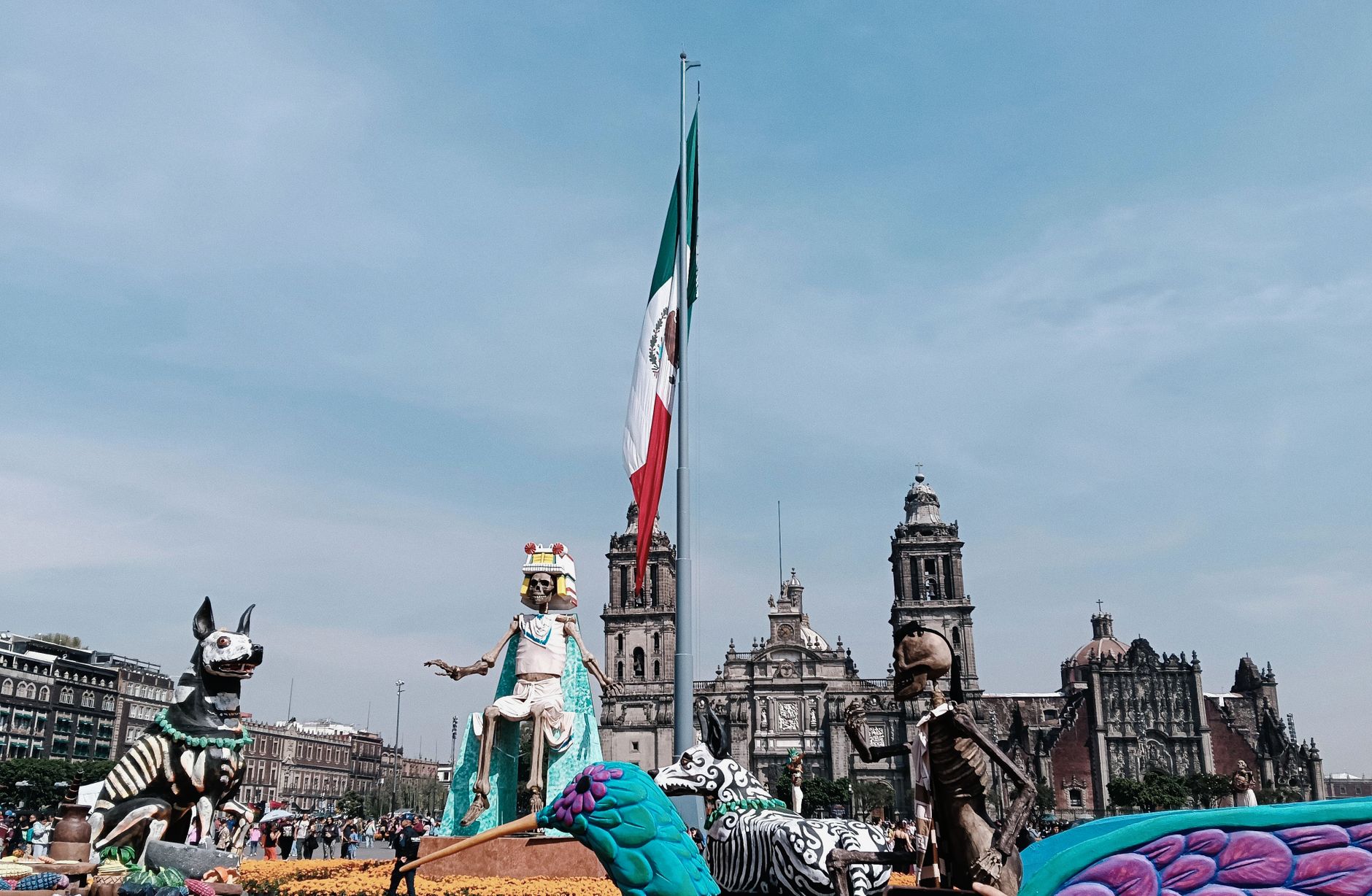
As dusk settles over the colonial plazas of Mexico, the air grows heavy with the sweet, musky scent of copal incense and the earthy aroma of thousands of brilliant orange marigolds (cempasúchil). This is Día de los Muertos—the Day of the Dead—a transcendent cultural celebration where death is not feared, but joyfully embraced as a natural continuation of the cycle of life. If you are planning to witness this UNESCO-recognized intangible cultural heritage firsthand, our Comprehensive Guide to Mexican traditions is your essential starting point.
Unlike Halloween, with which it is frequently conflated, Día de los Muertos is a deeply spiritual, multi-day indigenous observance rooted in Mesoamerican rituals dating back thousands of years. Families construct elaborate ofrendas (altars) adorned with photographs, flickering candles, sugar skulls (calaveras), and the favorite foods and beverages of their departed loved ones. To truly navigate the logistics of attending these sacred gatherings, consult our expertly crafted Tested Itinerary Plan designed for cultural travelers.
Understanding the Sacred Timeline: October 31 to November 2
The festival unfolds according to a strict, sacred calendar that every traveler should respect:
- *October 31 (Halloween / Día de los Angelitos):* Altars are prepared to welcome the souls of children who have passed away.
- November 1 (All Saints' Day): The celebration expands to honor all deceased youth and infants.
- November 2 (All Souls' Day): The grand finale. The veil between the worlds is thinnest, and communities gather in cemeteries to celebrate the adult dead with music, tequila, and storytelling.
Cultural Pro-Tip: Cemeteries are sacred public spaces during these nights, not tourist theme parks. Always ask for permission before photographing individuals, maintain a respectful demeanor, and refrain from touching or disrupting the ofrendas.
Best Destinations to Experience Día de los Muertos
While virtually every corner of Mexico observes the holiday, certain regions elevate the festivities into unforgettable artistic and spiritual spectacles.
Oaxaca: The Artistic Heartbeat
Oaxaca is widely considered the epicenter of Día de los Muertos celebrations. The streets of Oaxaca City pulse with comparsas (costumed brass band parades), towering sand tapestries, and bustling markets. For food lovers looking to dive deeper into regional cuisine during the festivities, explore our curated Food & Drink Highlights for the best spots to sample artisanal tejate and mole negro.
Michoacán: The Lake Pátzcuaro Tradition
If you seek ancient, indigenous solemnity, head to Lake Pátzcuaro and the island of Janitzio in Michoacán. Here, the Purépecha people paddle candle-lit wooden canoes across the misty lake at midnight, converging on the island cemetery in a breathtaking display of devotion.
Culinary Traditions: Feasting with the Spirits
No journey to Mexico during November is complete without indulging in the season's distinct gastronomic offerings. Central to the table is Pan de Muerto—a sweet, anise-spiced egg bread dusted with sugar and decorated with bone-shaped dough strips. Pair this with a steaming cup of champurrado (thick, chocolate-infused corn masa) on a chilly Oaxacan evening.
For budget-conscious travelers wanting to savor these authentic flavors without breaking the bank, our Budget Travel Guides section offers incredible insider advice on eating street food safely and affordably across colonial Mexico.
Budget Breakdown for Your Festival Trip
Visiting Mexico during Día de los Muertos requires advance planning, as accommodations in hotspots like Oaxaca and Pátzcuaro book out up to a year in advance.
- 1Accommodation: Expect premium pricing during festival week. Hostels range from $35–$60 USD per night, while charming boutique hotels in historic buildings can easily exceed $200–$400 USD per night.
- 2Transportation: Domestic buses (ADO) are comfortable and affordable ($20–$50 USD between major hubs). Book regional transport well in advance.
- 3Food & Drink: Budget $25–$50 USD daily for a mix of vibrant street food stalls and sit-down traditional dining.
To map out your expenses, flights, and customized daily excursions seamlessly, use the interactive Voyage Roams Trip Planner.
Traveler's Practical Takeaways
- Book Early: Secure your lodging and transport at least 6 to 9 months ahead of November.
- Dress Respectfully: Pack layers for cool evening vigils, and consider wearing understated, comfortable clothing rather than loud tourist costumes.
- Cash is King: While major restaurants accept cards, rural cemeteries, artisan markets, and street vendors rely entirely on Mexican Pesos.
- Embrace the Flow: Schedules during Día de los Muertos are notoriously fluid. Parades start late, roads close unexpectedly, and the magic often happens in quiet, unplanned moments.
Ready to Turn This Story Into Your Next Adventure?
Save places to your custom wishlist or map out a step-by-step day plan with Voyage Roams.
Elena Vance
Elena travels the globe reporting on cultural heritage, street food trails, and budget exploration for Voyage Roams.
Planning a trip to Mexico?
Discover verified places to visit, neighborhood recommendations, seasonality charts, and tested budgets in our comprehensive Mexico portal.