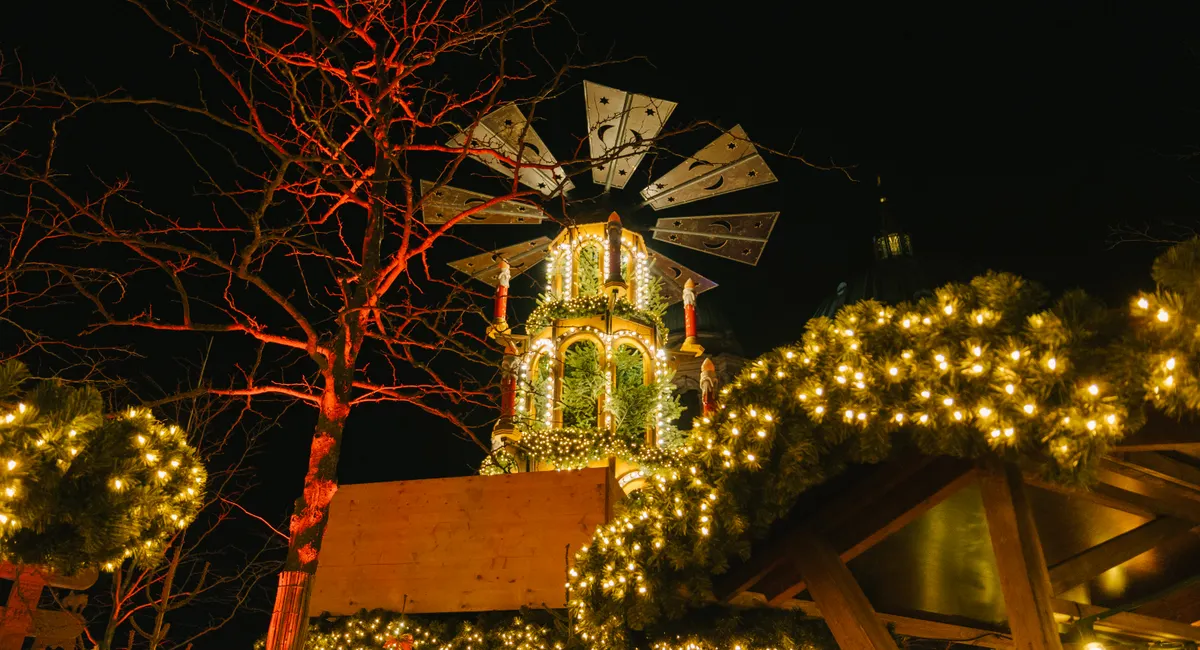

As the crisp winter air descends across the continent and the scent of roasted chestnuts and mulled wine fills the cobblestone alleyways, Europe transforms into a living fairytale. From the historic heart of Bavaria to the Alpine peaks of Austria, the annual tradition of the Weihnachtsmarkt brings communities together in a brilliant display of twinkling lights, handmade crafts, and culinary comfort.
Whether you are mapping out a multi-nation rail journey or searching for a cozy weekend getaway, our Tested Itinerary Plan ensures you hit every must-see stall without missing a beat. Let this comprehensive guide lead you through the glittering festive trails of Europe.
1. Nuremberg, Germany: The Quintessential Christkindlesmarkt
No journey through Europe's holiday traditions is complete without visiting the Nuremberg Christkindlesmarkt, one of the oldest and most famous festive markets in the world. Dating back to the mid-16th century, the market officially opens when the Christkind delivers her majestic prologue from the balcony of the Church of Our Lady.
Stroll through the rows of red-and-white-striped wooden booths sampling the city's legendary Nuremberger Rostbratwürste—tiny charcoal-grilled pork sausages served three to a roll with spicy mustard. Wash them down with steaming cups of Glühwein served in collectible ceramic mugs that change shape and color every year.
Cultural Pro-Tip: Skip the crowded main square at midday and visit right as twilight falls (around 4:30 PM). The sudden illumination of thousands of fairy lights against the medieval Gothic architecture is nothing short of cinematic.
2. Vienna, Austria: Imperial Splendor and Romantic Palaces
For sheer architectural grandeur, Vienna's Christmas markets are peerless. The city hosts over a dozen major markets, each framed by magnificent imperial palaces and historic cathedrals. The Rathausplatz, situated in front of the neo-Gothic City Hall, features an enormous ice-skating rink winding through the illuminated park trees.
For a more refined, artsy atmosphere, head to the market outside Schönbrunn Palace or wander the cobblestones of Spittelberg, where artisan stalls spill into narrow Biedermeier-style alleyways. For deep dives into regional culinary specialties, explore our curated Food & Drink Highlights.
3. Strasbourg, France: The Capital of Christmas
Strasbourg proudly claims the title of Capitale de Noël, hosting one of Europe's oldest continuous markets since 1570. Centered around the awe-inspiring Strasbourg Cathedral, the entire Grande Île transforms into an illuminated wonderland where every storefront vies for the title of most festive facade.
- Must-Try Delicacies: Indulge in warm bredele (traditional Alsatian Christmas biscuits), savoury flammekueche (tarte flambée), and steaming bowls of local spiced hot wine (vin chaud).
- The Great Christmas Tree: Marvel at the towering, meticulously decorated tree standing proudly in Place Kléber, a longstanding symbol of Alsatian holiday joy.
4. Prague, Czech Republic: Gothic Fairy Tales and Slavic Charm
Prague’s Old Town Square provides a breathtaking backdrop for holiday festivities. Dominated by the soaring Gothic spires of the Tyn Church and the medieval Astronomical Clock, the market here feels wonderfully untouched by time.
Wooden huts cluster around the grand monument to Jan Hus, offering Bohemian crystal, hand-carved wooden puppets, and traditional embroidered lace. To keep the winter chill at bay, sip on svařené víno (mulled wine) or try trdelník—a spit-roasted sweet dough pastry dusted with cinnamon and sugar.
5. Budgeting and Planning Your Festive Escape
Visiting Europe during the holiday season requires strategic financial planning, particularly if you plan to travel between major hubs. For travelers mindful of expenditures, check out our dedicated Budget Travel Guides to stretch your holiday funds further.
Estimated Daily Budget Breakdown
- 1Budget Traveler: $60–$90 USD per day (staying in hostels, eating street food like sausages and pretzels, using public transit).
- 2Mid-Range Explorer: $150–$250 USD per day (comfortable boutique hotels, sit-down dinners featuring regional specialties, organized train travel).
- 3Luxury Connoisseur: $400+ USD per day (five-star historic hotels, private tours, fine dining, and luxury transfers).
To map out your customized route across multiple countries effortlessly, try our interactive Voyage Roams Trip Planner.
Traveler's FAQ & Practical Takeaways
- When do the markets open and close? Most major European Christmas markets open around the last week of November and close permanently on December 23rd or 24th, though some (like Prague and Vienna) stay open through New Year's Day or Epiphany.
- Should I carry cash? Absolutely. While credit cards are increasingly accepted at larger craft stalls, many smaller food vendors and traditional artisans strictly operate on cash (Euros or local currency).
- How do I avoid peak crowds? Visit on weekday mornings (Monday through Wednesday) when local foot traffic is minimal and you can browse artisan stalls at a leisurely pace.