Beyond the Peaks: The Ultimate Montana Hidden Gems Travel Guide
Escape the crowds in Big Sky Country with secret valleys, off-grid hot springs, and historic ghost towns few travelers ever see.

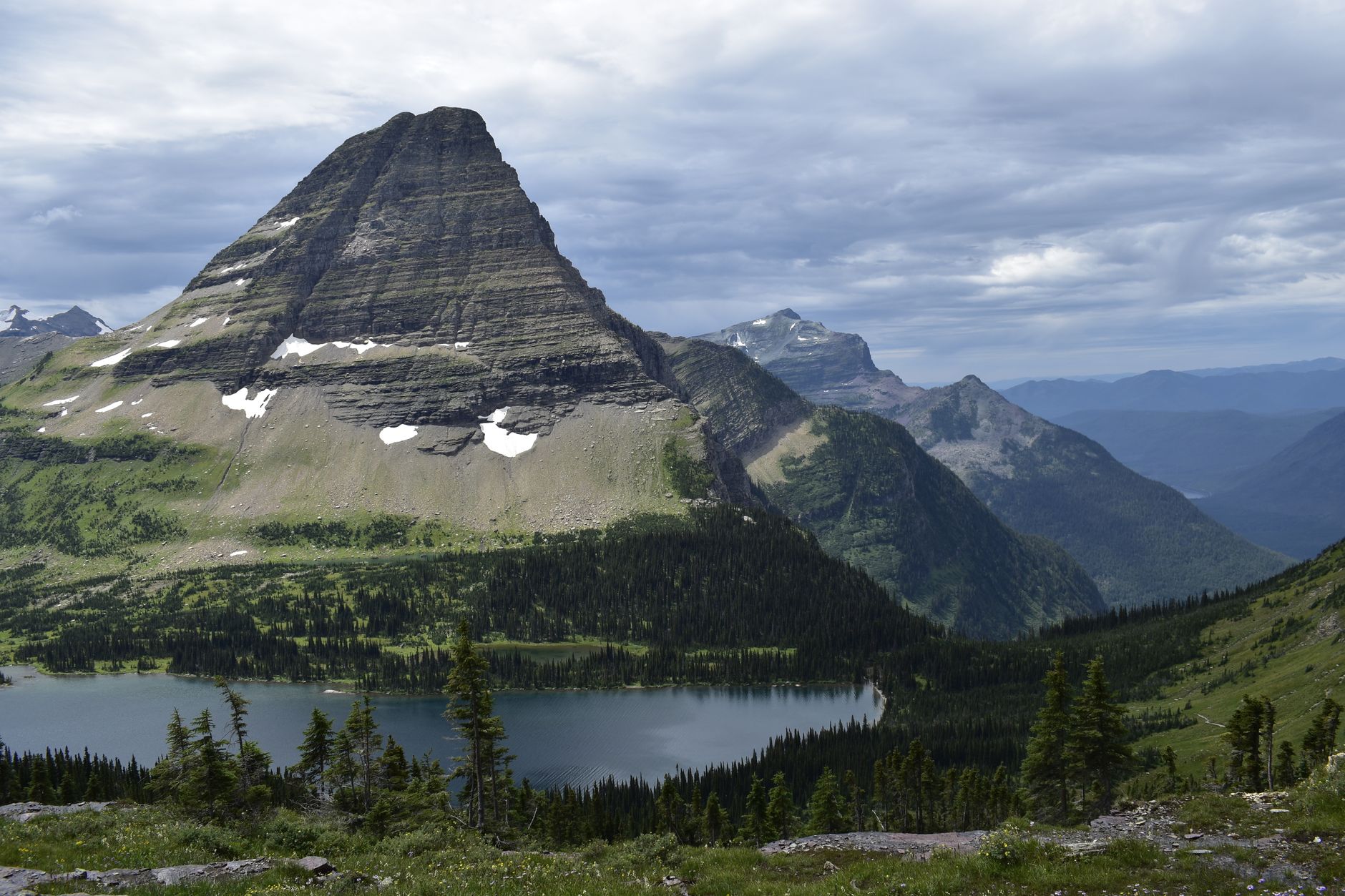
When travelers dream of Big Sky Country, their minds instinctively race to the jagged limestone spires of Glacier National Park or the geyser-studded majesty of Yellowstone. Yet, beneath the shadow of these heavy-hitting titans lies a sprawling labyrinth of secret valleys, forgotten mining camps, and pristine wilderness areas that whisper the true, untamed spirit of the American West.
For a truly immersive journey, pair this guide with our Comprehensive Guide and map out your route using the Voyage Roams Trip Planner.
1. The Undiscovered Magic of the Yaak Valley
Tucked away in the far northwestern corner of the state, pressed hard against the Idaho border and Canada, lies the Yaak Valley. Unlike the bustling resort towns of whitefish or Bozeman, the Yaak is a landscape of dense, temperate rainforests, rushing rivers, and absolute solitude. Grizzly bears, wolves, and lynx roam these deep timbers far more freely than humans do.
Driving the Yaak River Scenic Byway feels like stepping back in time. Cell service vanishes entirely, replaced by the symphony of rushing water and wind through ancient cedars. Stop by the legendary Yaak River Tavern—one of the oldest watering holes in the state—to mingle with local loggers, artists, and wilderness seekers.
Cultural Pro-Tip: When exploring the remote Yaak Valley, always carry offline maps, bear spray, and keep your gas tank full. Services are few and far between, making self-reliance a badge of honor here.
2. Garnet Ghost Town: Step Back Into 1898
While Montana boasts dozens of abandoned mining camps, Garnet is arguably the best-preserved and most atmospheric. Tucked into the mountains northeast of Missoula, this high-elevation gold mining camp boomed in the late 1890s before the ore ran out and the residents packed up overnight.
Today, wandering down Garnet’s quiet dirt street reveals roughly 30 intact structures, including the old hotel, a dilapidated saloon with remnants of vintage wallpaper, and weathered cabins that look ready for occupants. Unlike commercialized tourist spots, Garnet invites quiet reflection.
- Best Time to Visit: Late spring through early autumn; winter visits require cross-country skiing or snowmobiling.
- Admission: Small self-pay donation fee at the visitor center.
- Photography Tip: Morning light filtering through the pine needles offers the most dramatic, moody shots of the weathered timber cabins.
3. Soak in Solitude at Trapper Creek Hot Springs
Skip the crowded, commercialized resort pools and head deep into the Bitterroot National Forest for a truly wild geothermal experience. Trapper Creek Hot Springs offers a rustic, earthy soaking opportunity right alongside a rushing mountain stream.
Getting here requires a bit of effort—navigating well-maintained gravel Forest Service roads followed by a short, unpaved hike. The reward is a series of stone-and-log-lined pools where mineral-rich, steaming water bubbles up from the earth.
For more ideas on planning your outdoor excursions, check out our curated Adventure Trails collection.
4. The Pintler Scenic Highway: Montana's Best Kept Road Trip Secret
While everyone else is bumper-to-bumper on Going-to-the-Sun Road, you could be cruising the Pintler Scenic Highway (Montana Highway 1). This 64-mile route hugs the base of the Anaconda Range, winding past alpine lakes, ghost towns, and pristine trout streams.
Highlights Along the Route:
- 1Georgetown Lake: A shimmering alpine reservoir perfect for paddleboarding, sailing, and summer camping.
- 2Philipsburg: A delightfully restored Victorian mining town famous for its hand-dipped fudge, craft soda, and public sapphire-mining galleries.
- 3Anaconda: A historic copper-smelting town dominated by the colossal, red-brick Anaconda Smelter Stack—one of the tallest freestanding masonry structures in the world.
For a structured breakdown of how to connect these hidden stretches into a seamless journey, review our Tested Itinerary Plan.
5. Savoring the Culinary Soul of Rural Montana
Montana’s food scene extends far beyond heavy tavern fare if you know where to look. In small towns across the state, farm-to-table movements and Indigenous culinary traditions are quietly taking center stage.
- Huckleberry Everything: Look for local bakeries serving fresh huckleberry turnovers, pie, and artisanal ice cream made from wild-foraged berries.
- Bison and Elk Ranching: Sustainable game meats feature prominently on menus in valleys near the Greater Yellowstone Ecosystem.
Read more about local culinary hotspots in our dedicated Food & Drink Highlights section.
Traveler's FAQ and Practical Takeaways
Q: When is the best time to visit Montana's hidden gems?
A: July through September offers the most reliable weather and completely open mountain passes. However, June brings vibrant wildflowers, and September delivers golden autumn larch trees.
Q: Do I need a four-wheel-drive vehicle?
Many hidden spots like trailheads and hot springs require driving on gravel US Forest Service roads. While a standard sedan can handle most in dry weather, a high-clearance vehicle or SUV gives you invaluable peace of mind.
Q: What is the recommended budget?
While resort towns can be pricey, exploring hidden regions is remarkably affordable. Expect to budget $80–$150 per day depending on whether you choose rustic camping or historic cabin rentals.
Ready to Turn This Story Into Your Next Adventure?
Save places to your custom wishlist or map out a step-by-step day plan with Voyage Roams.
Elena Vance
Elena travels the globe reporting on cultural heritage, street food trails, and budget exploration for Voyage Roams.
Planning a trip to Montana?
Discover verified places to visit, neighborhood recommendations, seasonality charts, and tested budgets in our comprehensive Montana portal.