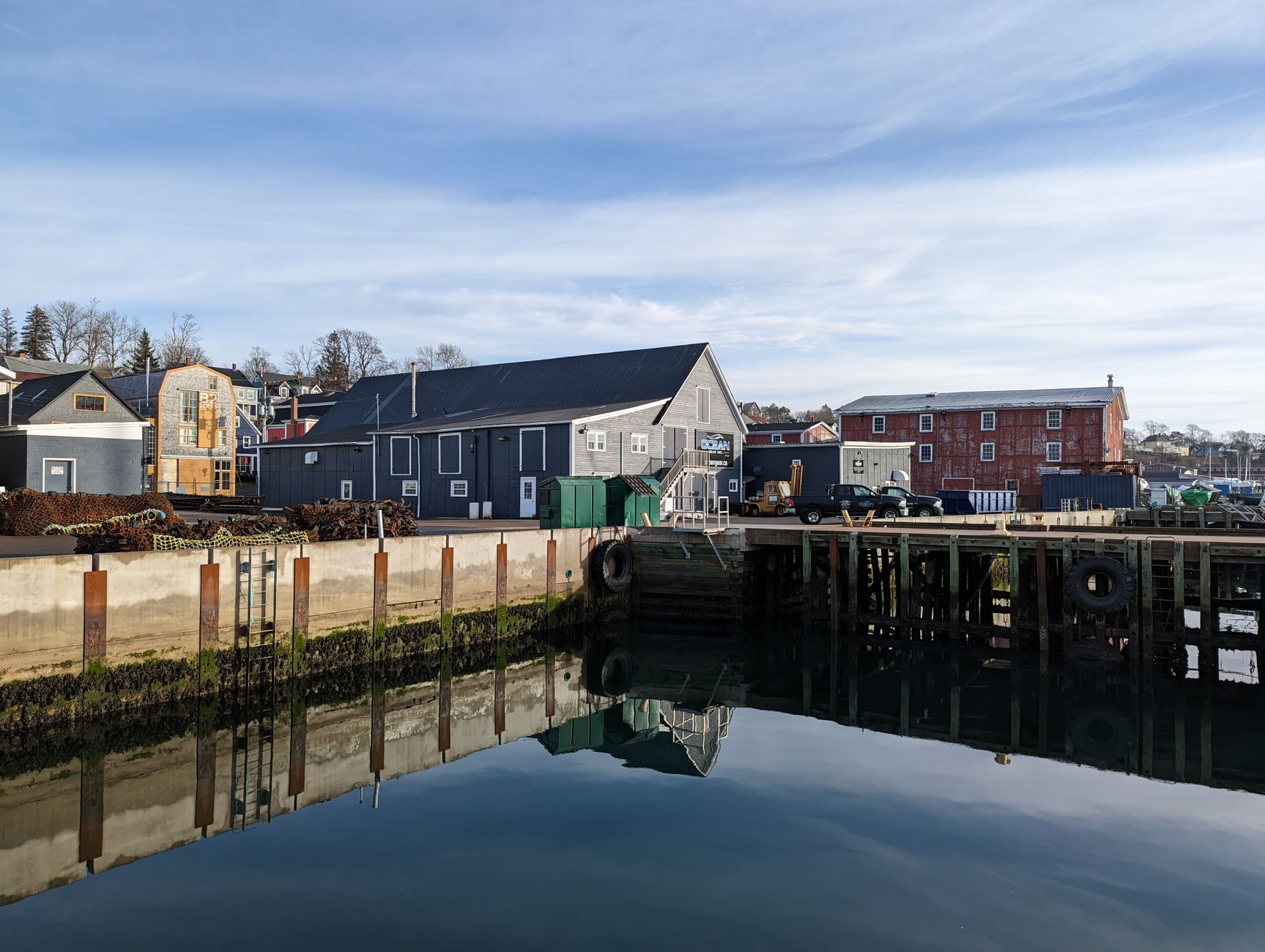
Welcome to Nova Scotia, a maritime province where the salt air clings to rugged granite cliffs, historic lighthouses stand guard over historic fishing villages, and the fiddle music flows as freely as the local craft beer. Nestled on the eastern edge of Canada, this peninsula is a dream destination for road-trippers, foodies, and outdoor enthusiasts alike.
However, traveling through Canada's "Ocean Playground" requires a bit of insider knowledge. From unpredictable Atlantic weather to the world's highest tides, navigating this province smoothly takes preparation. Whether you are planning a detailed tested itinerary plan or wandering where the wind blows, these essential Nova Scotia travel tips will ensure you travel like a seasoned local.
1. Timing Your Maritime Adventure: Weather and Seasons
Nova Scotia experiences four distinct seasons, each offering a completely different travel experience. Because of its coastal geography, weather patterns can change rapidly—a phenomenon locals refer to as "if you don't like the weather, wait five minutes."
- Summer (July to August): This is peak tourist season. Temperatures range from 20°C to 28°C (68°F to 82°F). All seasonal attractions, museums, and seafood shacks are fully open, but accommodation prices are at their highest.
- Autumn (September to October): Arguably the most beautiful time to visit. The foliage along the Cabot Trail rivals New England, crowds thin out, and the harvest season brings numerous food and wine festivals.
- Spring (May to June): A quiet shoulder season. While some days are beautifully crisp, others can be foggy and damp. Some seasonal businesses do not open until late May.
- Winter (November to April): Cold, snowy, and windy. While great for winter sports and cozy cabin stays, many coastal tourist operators close down completely.
Cultural Pro-Tip: If you plan to hike the highlands or visit coastal lookouts, always pack a windproof rain jacket and dress in layers, regardless of what the morning forecast says. Fog can roll in within minutes, dropping temperatures significantly.
2. Navigating the Cabot Trail and Coastal Byways
While the capital city of Halifax is highly walkable, exploring the rest of Nova Scotia requires wheels. To truly experience the province's dramatic coastlines, you will want to embark on a road trip.
The crown jewel of Nova Scotia driving is the Cabot Trail—a 298 km (186 mile) loop carving through Cape Breton Highlands National Park. To make the most of your drive, keep these tips in mind:
- 1Drive Clockwise vs. Counter-Clockwise: Driving clockwise keeps you on the inside lane, which is great if you are nervous about steep drop-offs. Driving counter-clockwise puts you on the outside lane, offering uninterrupted ocean views and easier access to coastal pull-offs.
- 2Watch for Wildlife: Moose are highly active in Cape Breton, especially at dusk and dawn. Due to their height and dark coats, they are incredibly difficult to see on unlit highways. Drive defensively and stay alert.
- 3Book Your Rental Car Early: During peak summer months, rental cars in Halifax can sell out completely. Lock in your vehicle months in advance using the Voyage Roams Trip Planner to compare rates.
For more detailed route ideas, check out our curated guide to Adventure Trails across the Maritimes.
3. Culinary Crucials: From Tidal Bay to Halifax Donairs
Nova Scotia’s culinary scene is deeply tied to the sea and its fertile valleys. While lobster is king, there are several other local delicacies you must try.
The Lobster Supper Tradition
Do not leave the province without attending a traditional community lobster supper. Often hosted in church halls or community centers (particularly on the South Shore and Cape Breton), these meals feature fresh-boiled lobster, melted butter, potato salad, rolls, and homemade pie.
Tidal Bay Wine
Nova Scotia is home to the Annapolis Valley, a microclimate perfect for cool-climate grapes. Tidal Bay is the province's first official appellation wine. It is a crisp, aromatic white wine designed specifically to pair with local seafood.
The Halifax Donair
After a night out in Halifax, head to Pizza Corner for the city's official late-night snack. The Halifax Donair features spiced shaved beef, tomatoes, and onions wrapped in a warm pita, doused in a sweet, garlicky condensed milk sauce.
Local Etiquette: Never ask for tzatziki on a Halifax donair. To locals, the sweet donair sauce is sacred, and requesting substitutions is considered a culinary crime!
4. Budgeting Your Trip: Cost Breakdown & Saving Hacks
While Nova Scotia is generally more affordable than major hubs like Vancouver or Toronto, travel costs can add up quickly, particularly during the high season.
Average Daily Budget (per person, CAD)
| Expense Category | Budget Traveler | Mid-Range Traveler | Luxury Traveler |
|---|---|---|---|
| Accommodation | $40 - $70 (Hostels/Camping) | $150 - $250 (Mid-range B&B/Hotel) | $350+ (Luxury Resorts/Boutique Inns) |
| Food & Drink | $25 - $45 (Supermarkets/Pubs) | $60 - $110 (Seafood diners/Bistros) | $180+ (Fine dining & wine pairings) |
| Transportation | $15 (Public transit/Shuttles) | $70 - $120 (Car rental + gas) | $200+ (Private tours/Premium vehicles) |
| Activities | Free (Hiking/Beaches) | $20 - $50 (Museums/Park passes) | $150+ (Whale watching/Tidal rafting) |
| Total Daily Est. | $80 - $130 CAD | $300 - $530 CAD | $880+ CAD |
Smart Saving Tips
- Buy a Parks Canada Discovery Pass: If you plan to visit Cape Breton Highlands National Park, Kejimkujik National Park, and historic sites like the Fortress of Louisbourg, a seasonal discovery pass is cheaper than paying daily entry fees.
- Shop at Local Farmers' Markets: Halifax, Wolfville, and Lunenburg host incredible farmers' markets. Stock up on fresh cheeses, sourdough, fruit, and smoked fish for a fraction of the cost of a restaurant lunch.
- Explore Free Coastal Hikes: Some of Nova Scotia's most breathtaking trails—like the rugged coastal barrens of Peggy's Cove or the dramatic cliffs of Cape Split—do not require park passes or entry fees. Discover more budget-friendly ideas in our Budget Travel Guides.
5. Respecting the Land: Cultural Etiquette & Safety
Nova Scotians are famous for their warmth and hospitality. However, maintaining this pristine coastal environment requires mindful travel practices.
Black Rocks at Peggy's Cove
This is the single most important safety rule in the province: Stay off the black rocks. The iconic lighthouse at Peggy's Cove is surrounded by beautiful, smooth granite rocks. The rocks that are dark and wet (black rocks) are incredibly slippery and subject to sudden, violent rogue waves. Visitors have been swept into the freezing Atlantic waters by ignoring warning signs. Always stay on the dry, white rocks.
Tidal Awareness in the Bay of Fundy
The Bay of Fundy has the highest tides on earth, rising up to 16 meters (53 feet) twice a day. If you are walking on the ocean floor at places like Burntcoat Head Park, always keep a close eye on the time. The tide rolls in rapidly, and it is easy to get trapped against the cliffs. Check local tide tables before head out.
Respecting Indigenous & Acadian Heritage
Nova Scotia is the ancestral and unceded territory of the Mi'kmaq people, who have lived here for over 13,000 years. It is also home to a vibrant Acadian French culture. When visiting historical sites, take the time to learn about these foundational cultures rather than focusing solely on the British colonial history.
6. Practical Takeaways & Traveler FAQ
What should I pack for Nova Scotia?
- Sturdy hiking shoes with good traction for slippery coastal trails.
- A high-quality rain shell and warm fleece layers.
- Bug spray (blackflies and mosquitoes can be fierce in June and July).
- A reusable water bottle to stay hydrated on the trails.
Do I need to tip in Nova Scotia?
Yes. Tipping is standard practice in Canada. In restaurants, bars, and for tour guides or taxi drivers, a tip of 15% to 20% of the pre-tax bill is customary for good service.
Can I travel Nova Scotia without a car?
While you can explore Halifax using its great public transit and ferry system, and take regional shuttles to major towns like Lunenburg or Wolfville, you will miss out on the best coastal spots. A car is highly recommended for any trip outside the capital. For a deep dive into the city's urban highlights, read our comprehensive guide to Halifax.
Ready to plan your escape?
Start drafting your dream itinerary today by using the interactive Voyage Roams Trip Planner. Safe travels, and enjoy the salt air!