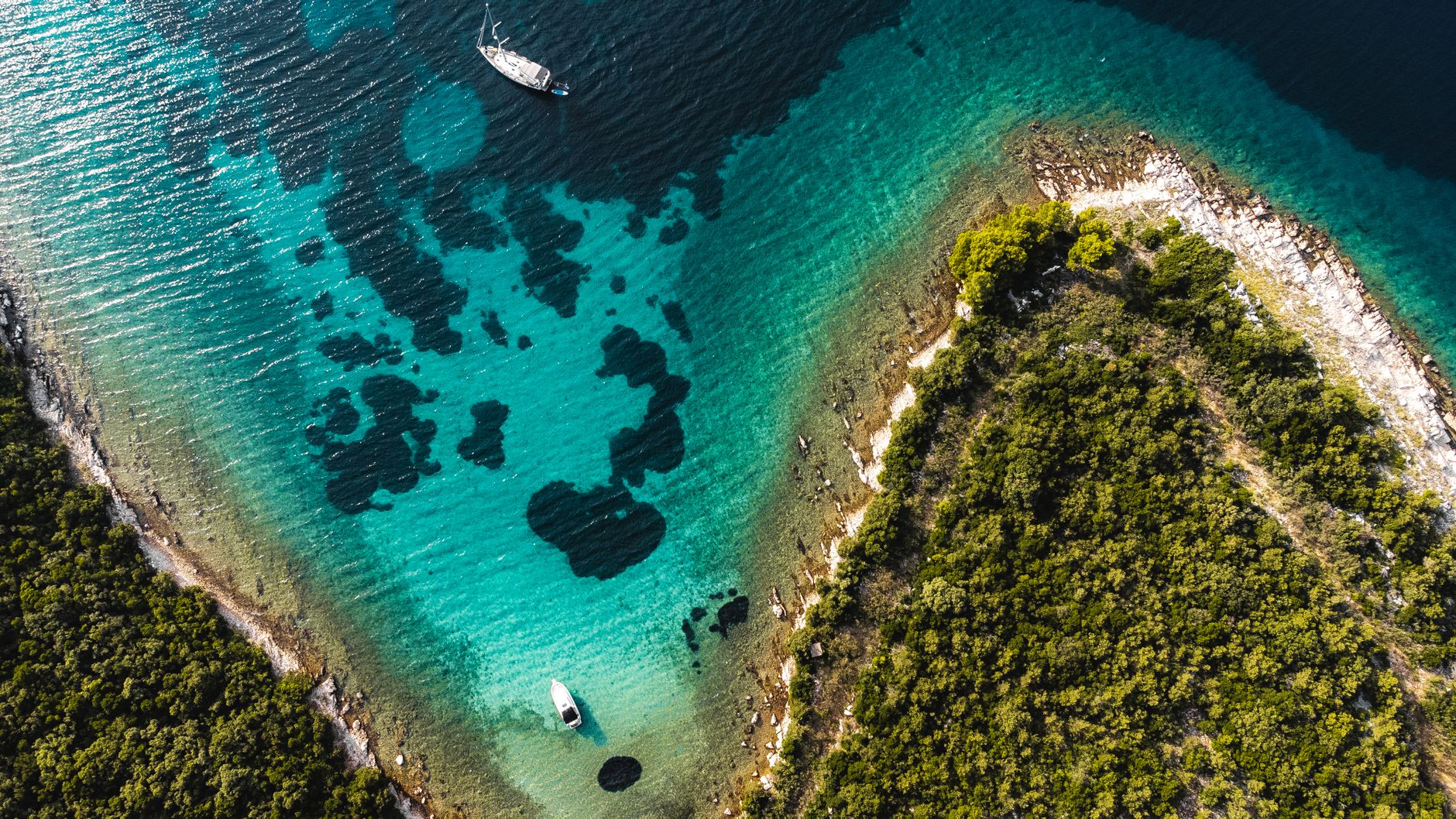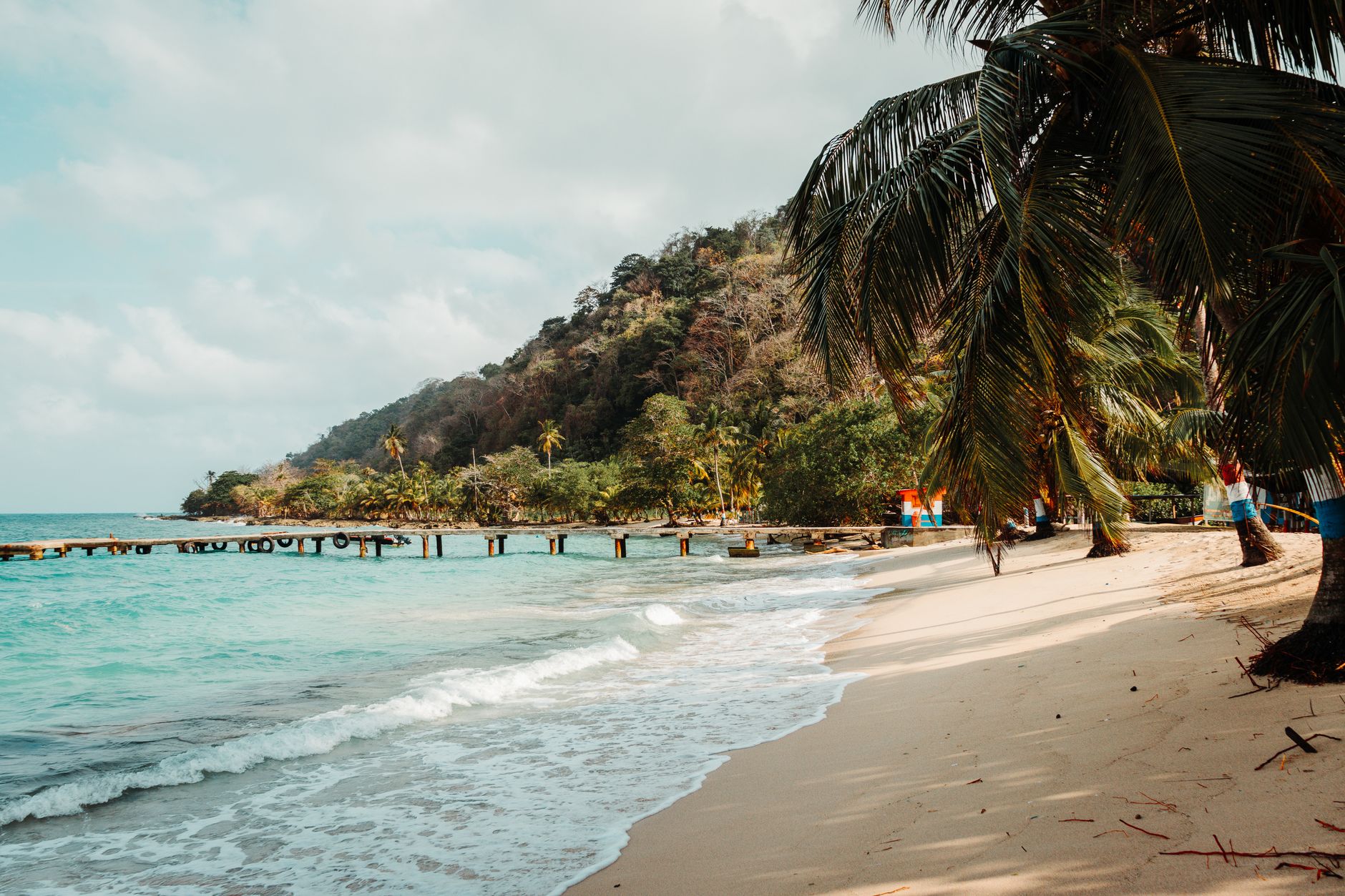
When travelers dream of Central American coastlines, Costa Rica often steals the spotlight. Yet, the narrow isthmus of Panama hides some of the most diverse, untouched, and dramatic shorelines in the Western Hemisphere. Flanked by both the warm Caribbean Sea and the raw Pacific Ocean, Panama offers everything from bioluminescent bays to volcanic black-sand surf breaks. Before packing your bags, be sure to map out your route using the Voyage Roams Trip Planner.
1. Bocas del Toro: Caribbean Vibrancy and Coral Reefs
Suspended off the northwestern Caribbean coast, the archipelago of Bocas del Toro is a maze of emerald islands, mangrove keys, and stilt houses. Isla Colón serves as the bustling hub, but the true magic lies just a short boat ride away on Isla Carenero and Isla Bastimentos.
Star Highlights
- Red Frog Beach (Isla Bastimentos): Famous for its crashing waves and the tiny, brilliantly colored poison dart frogs that inhabit the surrounding rainforest.
- Starfish Beach (Playa Estrella): A calm, crystal-clear lagoon on Isla Colón where giant orange sea starfish rest placidly in the shallows.
Cultural Pro-Tip: Rent a water taxi rather than booking organized tours to explore the outer keys. It is significantly cheaper, allows you to set your own schedule, and directly supports local boat captains.
For a deeper dive into island life, read our Comprehensive Guide to plan your idyllic Caribbean escape.
2. The Pearl Islands (Archipiélago de las Perlas): Pacific Luxury
Just a two-hour ferry ride from Panama City, the Pearl Islands offer a stark contrast to the lively Caribbean vibe of Bocas. This scattering of over 200 islands boasts blindingly white sand beaches, tranquil turquoise waters, and world-class sportfishing.
Isla Contadora is the most developed, featuring boutique airstrips and upscale villas, while Isla Chapera and Isla Saboga offer untouched stretches of sand where you are likely to be the only footprint for miles. Humpback whales migrate through these waters from July to October, making it a premier spot for marine wildlife encounters.
3. Santa Catalina: The Surfer's Frontier
If your ideal beach vacation involves trading a lounge chair for a surfboard, the sleepy fishing village of Santa Catalina on the Pacific coast is your mecca. Known for housing one of Central America's most consistent and powerful right-hand reef breaks, Punta Brava, this destination attracts adrenaline seekers from across the globe.
Beyond the waves, Santa Catalina is the primary jumping-off point for Coiba National Park, a UNESCO World Heritage site. Formerly a notorious penal colony, the island's isolation preserved its surrounding marine ecosystem. Divers and snorkelers here regularly swim alongside hammerhead sharks, giant manta rays, and sea turtles.
- Best Surf Season: March through December (wet season delivers the most consistent swells).
- Non-Surfer Activity: Take a panga boat to Coiba Island for world-class snorkeling among pristine coral gardens.
For a structured approach to tackling the waves and the park, consult our Tested Itinerary Plan.
4. Coronado and the Pacific Riviera
Located just a 90-minute drive southwest of Panama City, the Pacific Riviera is a string of accessible, resort-style beach towns including Coronado, Gorgona, and Punta Chame. Characterized by unique dark volcanic sand resulting from prehistoric tectonic activity, these beaches are popular weekend retreats for urban expats and locals.
While Coronado is more commercialized with high-rise condominiums and golf courses, nearby Punta Chame is a world-renowned playground for kiteboarders and windsurfers due to steady cross-shore thermal winds.
5. Gulf of Chiriquí: Wild and Remote
Bordering Costa Rica in Panama's far west, the Gulf of Chiriquí is a protected marine park featuring dozens of uninhabited islands and pristine mangrove forests. Playa Boca Chica is the gateway to this region—a sleepy fishing hamlet where luxury eco-lodges blend seamlessly into the jungle canopy.
Island Hopping Essentials
- Isla Bolaños: Features calm walking trails and nesting sea turtles.
- Isla Gámez: Offers powdery white sand beaches and coral reefs just meters from the shore.
If you are traveling on a tighter wallet while exploring these remote shores, check out our curated Budget Travel Guides for money-saving tips on local transport and comedidores (local eateries).
Practical Takeaways for Your Beach Getaway
Navigating Panama's dual-coast paradise requires a bit of logistical foresight. Here are key pointers to ensure smooth travels:
- 1Transportation: While domestic flights connect Panama City to Bocas del Toro and Chiriquí, renting a 4x4 vehicle is ideal for exploring the Pacific coast and remote surf breaks.
- 2Seasonality: The dry season (Verano) runs from mid-December to April. The green season (May to November) brings afternoon tropical downpours, lower accommodation rates, and peak surfing conditions.
- 3Sun Protection: The equatorial sun is intensely strong. Pack reef-safe sunscreen to protect Panama's delicate coral ecosystems.
Traveler's FAQ
- Which coast has better beaches, Caribbean or Pacific? The Caribbean side (Bocas del Toro) generally offers calmer, clearer water and classic white sand. The Pacific side features dramatic tides, volcanic sand, and superior surfing.
- Do I need cash on remote islands? Yes. Islands like Bastimentos and the outer Pearl Islands have limited ATM access. Always carry crisp US dollars (Panama's official currency alongside the Balboa).
- Is Panama safe for solo beach travelers? Extremely. Panama is one of the safest nations in Central America, though standard precautions against petty theft on isolated beaches should still be practiced.