Porto vs Lisbon: Which Portuguese City is Right for Your Next Adventure?
A deep-dive comparison of Portugal's historic northern powerhouse and its sun-drenched capital.

Portugal has firmly established itself as one of Europe’s most captivating destinations. Yet, for travelers planning their first trip, a classic dilemma always arises: Porto or Lisbon?
While Lisbon is the sprawling, sun-drenched capital of golden light and pastel-colored hills, Porto is its moody, romantic northern sibling—a compact city of granite, dramatic river gorges, and world-class wine. Both cities are incredibly rich in history, culture, and culinary prowess, but they offer vastly different experiences.
In this comprehensive travel guide, we will break down the vibes, budgets, food scenes, day trips, and sights of both cities so you can decide which one deserves the top spot on your itinerary. To see how to combine both into a single trip, check out our Tested Itinerary Plan for Portugal, or explore our Comprehensive Guide to Portugal for deeper regional insights.
The Tale of Two Cities: Lisbon’s Golden Light vs. Porto’s Granite Soul
To understand the rivalry between Lisbon and Porto, you must first understand their distinct personalities.
Lisbon is cosmopolitan, bright, and theatrical. Built on seven steep hills overlooking the Tagus River estuary, the city basks in a legendary, luminous light that has inspired painters and poets for centuries. It feels grand, international, and fast-paced, blending its historic Moorish roots in Alfama with the bohemian chic of Chiado and the trendy, digital-nomad-fueled nightlife of Bairro Alto.
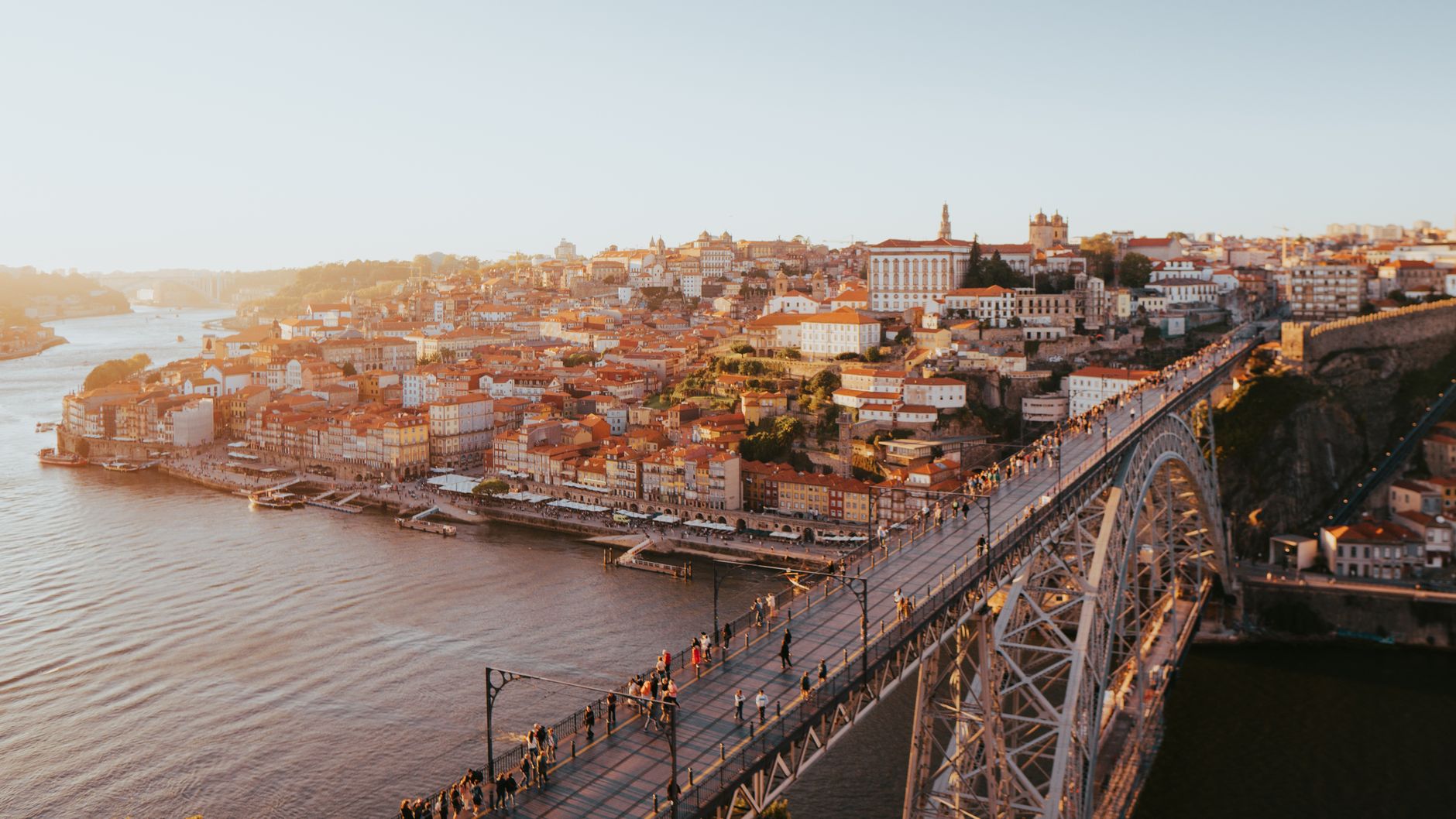
Porto, by contrast, is intimate, gritty, and fiercely independent. The locals have a famous saying: "Lisbon plays, Coimbra studies, Braga prays, and Porto works." Clinging to the steep banks of the Douro River, Porto is a architectural marvel of stacked granite buildings, medieval alleys, and iron bridges designed by disciples of Gustave Eiffel. It has a melancholic, raw beauty that feels less polished than Lisbon, but infinitely more soulful.
Insider Tip: To experience Lisbon's Fado without the tourist-trap prices, head to the tiny taverns of Alfama or Mouraria. Look for signs reading Fado Vadio (amateur Fado), where locals sing over carafes of house wine.
Cost Comparison: Budgeting for Your Portuguese Escape
While Portugal remains one of Western Europe’s most affordable destinations, the rise in its popularity has impacted prices, particularly in the capital. If you are traveling on a strict budget, exploring our curated Budget Travel Guides can help you stretch your Euros further.
| Budget Category | Lisbon (Average Cost) | Porto (Average Cost) |
|---|---|---|
| Mid-range Double Room | €120 – €220 / night | €90 – €160 / night |
| Dorm Bed in a Hostel | €30 – €50 / night | €25 – €40 / night |
| Daily Public Transit Pass | €6.80 | €7.00 (Andante Tour) |
| Espresso & Pastel de Nata | €2.50 – €3.50 | €2.00 – €3.00 |
| Mid-range Dinner for Two | €45 – €70 | €35 – €55 |
| Local Beer (Imperial/Super Bock) | €2.50 – €4.00 | €2.00 – €3.00 |
In general, Porto is roughly 10% to 20% cheaper than Lisbon for accommodation and dining. Lisbon’s booming popularity has driven up hotel prices significantly, especially during the peak summer months (June to August).
Culinary Showdown: Pastéis de Nata vs. Francesinha
Portugal is a dream destination for food lovers, but the culinary identities of Lisbon and Porto are wonderfully distinct. If you are passionate about gastronomy, dive into our Food & Drink Highlights to plan your culinary route.
Lisbon: Seafood, Modern Gastronomy, and Pastéis de Belém
Lisbon’s proximity to the Atlantic Ocean means its seafood is unparalleled. From grilled sardines (sardinhas assadas) in the summer to bacalhau (salted cod) prepared in hundreds of different ways, the ocean dictates the menu here. Lisbon is also home to a thriving modern culinary scene, boasting several Michelin-starred restaurants and the famous Time Out Market.
- The Sweet Icon: The Pastel de Nata (custard tart) is ubiquitous, but the original recipe is still guarded at Pastéis de Belém, where they have been baking them since 1837.
Porto: Hearty Comfort Food and Port Wine
Porto’s cuisine is heavier, richer, and deeply comforting. The city’s signature dish is the Francesinha—a colossal sandwich stuffed with cured ham, fresh sausage, steak, covered in melted cheese, and drenched in a thick, spicy beer-and-tomato sauce, usually served with a mountain of French fries. Porto is also famous for Tripas à Moda do Porto (tripe stew with white beans), a dish dating back to the 15th century.
- The Liquid Gold: Across the river in Vila Nova de Gaia lie the historic Port wine cellars (such as Taylor's, Graham's, and Sandeman). Here, you can tour the dark, cool caves and taste tawny, ruby, and vintage ports that have aged for decades.
Sights, Hills, and Architecture: What to See and Do
To help structure your sightseeing days in either city, you can map out your daily routes using the interactive Voyage Roams Trip Planner.
What to See in Lisbon
Lisbon is spread out, requiring a mix of walking and public transit to navigate.
- 1Alfama: The oldest district, a labyrinth of narrow streets, whitewashed houses, and laundry drying on balconies.
- 2Tram 28: The iconic yellow vintage tram that rattles and screeches through the city’s tightest corners.
- 3Belém: A riverside district home to the UNESCO-listed Jerónimos Monastery and the defensive Belém Tower, celebrating Portugal's Age of Discovery.
- 4The Miradouros: Scenic viewpoints like Miradouro de Santa Luzia and Miradouro da Senhora do Monte that offer sweeping views of the red-tiled roofs and the river.
What to See in Porto
Porto is highly compact and easily explored entirely on foot—though your calves will get an intense workout.
- 1Ribeira: The historic, UNESCO-listed riverfront district lined with colorful, tall houses and lively cafes.
- 2São Bento Station: A train station famous for its breathtaking atrium covered in 20,000 blue-and-white azulejo tiles depicting Portuguese history.
- 3Dom Luís I Bridge: The double-deck iron arch bridge spanning the Douro. Walking across the top deck at sunset is an unforgettable experience.
- 4Livraria Lello: One of the world's most beautiful bookstores, featuring an iconic neo-gothic red staircase.
Local Secret: In Porto, skip the massive, hours-long queues at Livraria Lello unless you are a die-hard Harry Potter fan. Instead, walk over to the nearby Jardim das Virtudes for a spectacular sunset view over the Douro River, populated almost exclusively by locals, students, and street musicians.
Day Trips and Beyond: Exploring the Regions
If you have more than three days, both cities serve as excellent launchpads for spectacular day trips.
Day Trips from Lisbon
- Sintra: A fairytale mountain town filled with whimsical palaces, including the pastel-colored Pena Palace and the mysterious gardens of Quinta da Regaleira.
- Cascais: A chic, historic seaside resort town with beautiful sandy beaches and a scenic marina.
- Óbidos: A classic, fully-walled medieval village famous for its cherry liqueur served in edible chocolate cups (ginjinha).
Day Trips from Porto
- The Douro Valley: The oldest demarcated wine region in the world, where terraced vineyards cling to steep hillsides along the winding river. You can visit by train or a scenic river cruise.
- Guimarães: Known as the "Cradle of Portugal," this UNESCO-listed town is where the nation’s first king was born, featuring a beautifully preserved medieval center.
- Braga: Portugal’s religious heart, home to the stunning Bom Jesus do Monte sanctuary with its monumental baroque zigzag stairway.
The Verdict: Which City Wins Your Heart?
Ultimately, the choice between Porto and Lisbon depends on your personal travel style:
- Choose Lisbon if: You want a vibrant, cosmopolitan city with world-class museums, a buzzing nightlife, endless sunshine, close proximity to sandy beaches, and grand, historic monuments. Lisbon is ideal for travelers who want a diverse, energetic metropolis.
- Choose Porto if: You prefer intimate, romantic, and atmospheric destinations. Porto is perfect for wine lovers, slow travelers, couples, and those who appreciate dramatic architecture, historic grit, and a more relaxed, walkable urban pace.
Traveler's FAQ
Q: How do I travel between Lisbon and Porto?
A: The easiest and most efficient way is by train. The CP (Comboios de Portugal) Alfa Pendular (fast train) takes just under 3 hours, while the Intercidades takes about 3 hours and 20 minutes. Tickets are highly affordable, especially if booked a few weeks in advance.
Q: Which city is better for a weekend trip?
A: Porto. Because of its compact size, you can easily experience Porto’s highlights in 48 hours without feeling rushed. Lisbon, being much larger and more spread out, ideally requires at least 3 to 4 days to fully appreciate.
Q: Is English widely spoken in both cities?
A: Yes, English is widely spoken in both Lisbon and Porto, particularly in hotels, restaurants, and tourist attractions. However, learning a few basic Portuguese phrases (Obrigado for thank you, Por favor for please) is always highly appreciated by the locals!
Ready to Turn This Story Into Your Next Adventure?
Save places to your custom wishlist or map out a step-by-step day plan with Voyage Roams.
Elena Vance
Elena travels the globe reporting on cultural heritage, street food trails, and budget exploration for Voyage Roams.
Planning a trip to Portugal?
Discover verified places to visit, neighborhood recommendations, seasonality charts, and tested budgets in our comprehensive Portugal portal.