Introduction: The Living Tapestry of Quebec City
Perched dramatically above the Saint Lawrence River, Quebec City is a masterclass in urban preservation. As the only fortified city north of Mexico, its historic core feels straight out of a 17th-century European storybook. Yet, beyond the iconic turrets of Château Frontenac lies a patchwork of vibrant, contrasting neighborhoods—each with its own distinct rhythm, culinary scene, and architectural heritage.
Whether you are planning your first trip using our Comprehensive Guide or mapping out a weekend escape with a Tested Itinerary Plan, understanding the city's distinct districts is the secret to moving beyond the tourist surface. Let’s wander through the cobbled lanes, hidden courtyards, and trendy avenues that define Quebec City.
1. Old Quebec (Vieux-Québec): Upper Town vs. Lower Town
Divided dramatically by the sheer cliffs of the Cap Diamant, Old Quebec is a UNESCO World Heritage treasure split into two distinct tiers connected by the historic funicular and the steep Escalier Casse-Cou (Break-neck Stairs).
Upper Town (Haute-Ville)
Dominating the skyline, Upper Town is defined by grand fortifications, historic churches, and the legendary Fairmont Le Château Frontenac. Stroll along the Dufferin Terrace for sweeping views of the river before ducking into the Latin Quarter, where centuries-old stone buildings now house lively student pubs and artisanal boutiques.
Lower Town (Basse-Ville)
At the base of the cliffs lies Place Royale, the birthplace of French civilization in North America. Rue Saint-Paul and Rue du Petit-Champlain are postcard-perfect, lined with independent galleries, toy makers, and cozy cafes.
Cultural Pro-Tip: Lower Town gets heavily congested between 11 AM and 3 PM when cruise ships are in port. Beat the crowds by exploring Rue du Petit-Champlain at 8 AM when shopkeepers are sweeping their stoops and the morning mist rises off the Saint Lawrence.
2. Saint-Jean-Baptiste: The Bohemian Heart
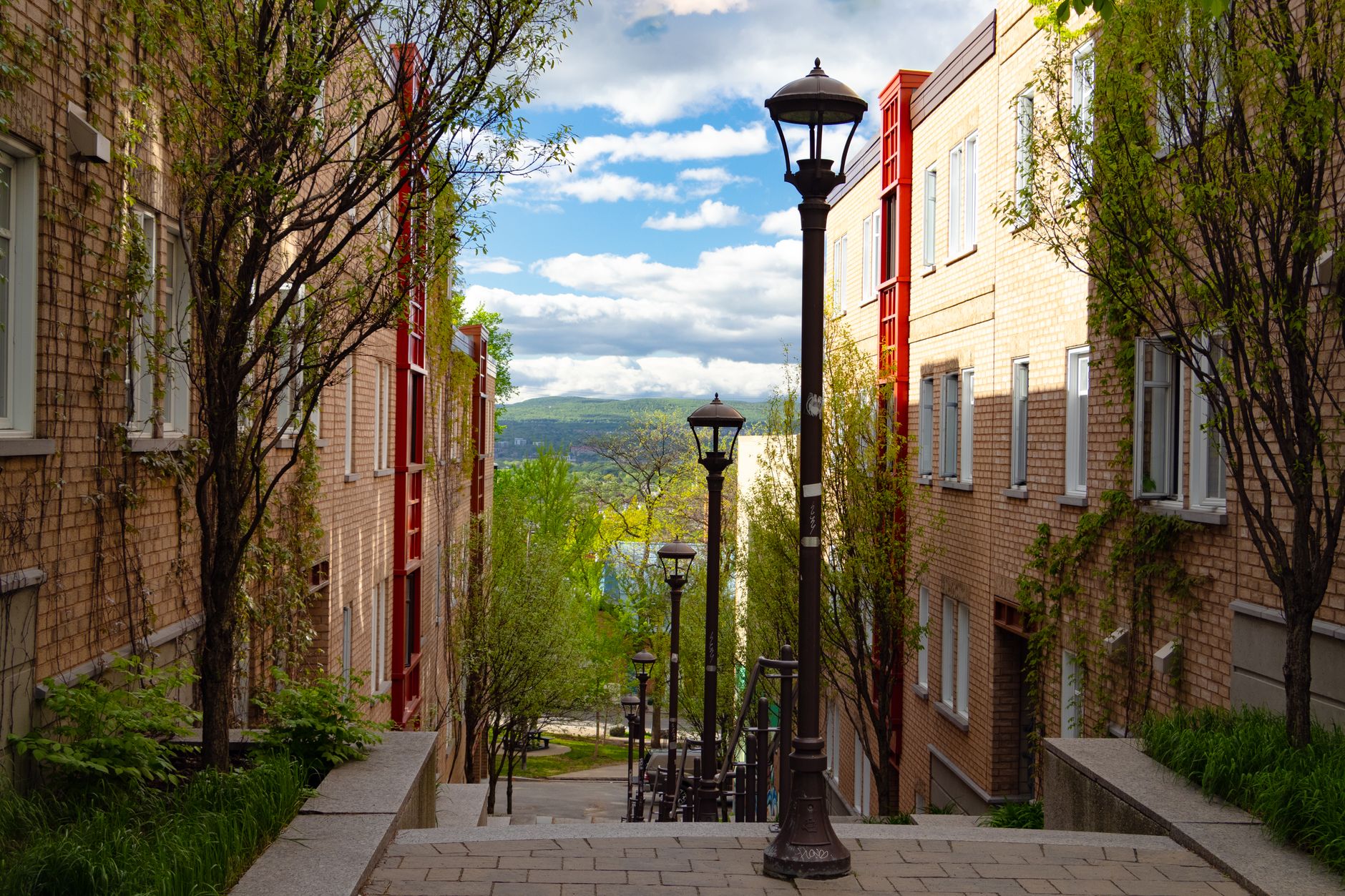
Just outside the historic walls along Rue Saint-Jean lies Saint-Jean-Baptiste, a neighborhood that wears its artistic soul on its sleeve. Often compared to Paris's Montmartre, this area balances historic brick townhomes with an eclectic, progressive edge.
- The Vibe: Independent bookstores, organic grocers, vintage clothiers, and neighborhood pubs where locals debate politics over local microbrews.
- Culinary Scene: Renowned for bakeries and bistros. Do not miss grabbing a flaky croissant from one of the artisanal boulangeries before exploring the neighborhood's hidden courtyards.
For travelers looking to keep costs down, you can discover plenty of affordable stays and eats here; check out our curated Budget Travel Guides for money-saving tips across the province.
3. Saint-Roch: The Hip Culinary Hub
Once a working-class industrial sector, Saint-Roch has undergone a dramatic metamorphosis over the past two decades. Today, it stands as the city's epicenter for tech startups, modern design, and boundary-pushing gastronomy.
Where to Eat and Drink
Rue Saint-Joseph Est serves as the neighborhood's beating artery. Here, you will find some of the most inventive kitchens in eastern Canada, ranging from third-wave coffee shops to upscale dining rooms redefining French-Canadian terroir.
- Secret Spot: Seek out the courtyard behind Église Saint-Roch for a quiet urban sanctuary amidst the bustling commercial blocks.
If you want a deep dive into the region's culinary identity—from tourtière to modern maple gastronomy—explore our dedicated Food & Drink Highlights section.
4. Montcalm & The Plains of Abraham: Arts and Green Space
West of the old fortifications lies Montcalm, a leafy, upscale neighborhood anchored by Avenue Cartier. This district effortlessly blends residential elegance with cultural clout.
- Art & Culture: Home to the Musée national des beaux-arts du Québec (MNBAQ), which spans multiple striking pavilions showcasing historical and contemporary Quebecois art.
- The Outdoors: Montcalm bleeds into the Plains of Abraham, the sprawling urban park where the pivotal 1759 battle for New France took place. It is a favorite spot for cross-country skiing in winter and leisurely picnics in summer.
5. Limoilou: The Neighborhood Local Vibe
Located just north of Saint-Roch across the Saint-Charles River, Limoilou is where you go to experience authentic, everyday Quebecois life. Built on a grid system with charming back alleyways (ruelles vertes), this family-friendly neighborhood has quietly emerged as a hotspot for craft beer enthusiasts.
- Avenue 3rd (3e Avenue): The main commercial strip is packed with zero-waste grocers, cozy cafés, and brewpubs with sprawling patios.
- Why Visit: Limoilou offers a slower pace, unpretentious hospitality, and a window into how young local families live, shop, and socialize.
Practical Traveler's Takeaways
- Getting Around: Quebec City is exceptionally walkable, but the incline between Lower Town and Upper Town is steep. Utilize the Old Quebec Funicular or the municipal bus network (RTC) for seamless transit.
- Language: While French is the official language, English is widely spoken in hotels, restaurants, and tourist sites. Knowing a few polite phrases like Bonjour and Merci goes a long way.
- When to Go: Autumn brings fiery foliage, while winter transforms Old Quebec into a glowing, snow-draped wonderland during the Quebec Winter Carnival.
Ready to map out your dream escape? Use the interactive Voyage Roams Trip Planner to build a personalized itinerary tailored to your travel style.