The Ultimate South Korea Budget Travel Guide: Exploring the Land of Morning Calm on a Shoestring
Discover how to experience futuristic megacities, ancient temples, and world-class street food in South Korea without breaking the bank.

Introduction: The Myth of Expensive Korea
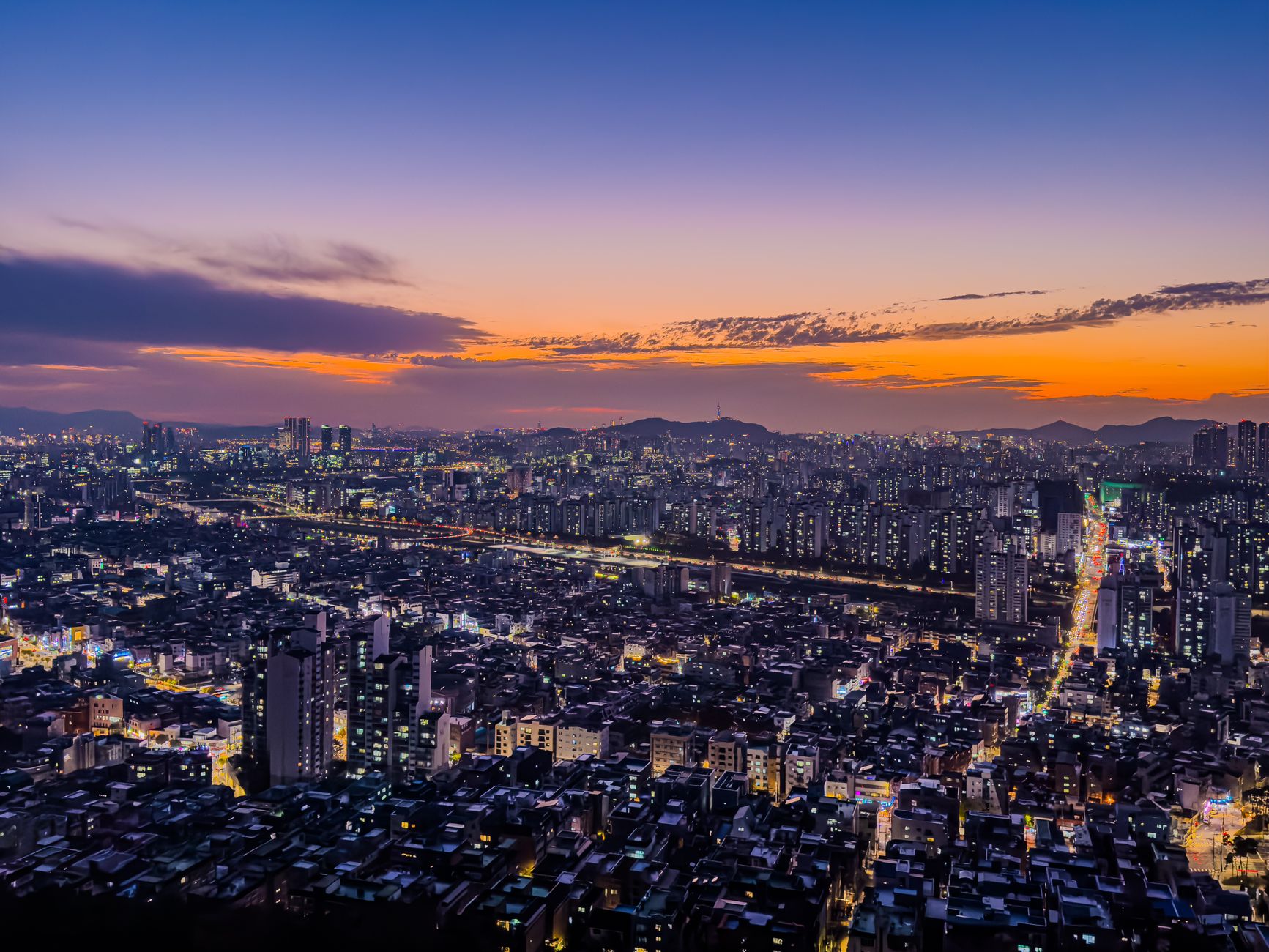
For years, South Korea has worn an unfair reputation as an expensive destination, overshadowed in the budget travel circuit by its Southeast Asian neighbors. But peel back the neon-lit veneer of Seoul, and you will find a remarkably accessible landscape for the frugal wanderer. Whether you are charting out a Tested Itinerary Plan or diving straight into our Budget Travel Guides, experiencing the Land of Morning Calm on a shoestring is entirely possible—and deeply rewarding.
From efficient public transit systems to surprisingly affordable traditional sustenance, smart planning makes all the difference. Read on to uncover how your won stretches further than you think.
Accommodation: Hanoks, Guesthouses, and Jjimjilbungs
Finding a place to sleep without draining your wallet is the cornerstone of any good budget strategy in South Korea. Ditch the Western-style business hotels and embrace local lodging alternatives that offer both cultural immersion and unbeatable prices.
- Hostels and Guesthouses: Concentrated heavily in Seoul (Hongdae and Myeongdong) and Busan, clean dormitory beds range from $20 to $35 a night, often including a simple breakfast of toast, eggs, and coffee.
- Hanok Stays: While luxury hanoks exist, traditional wooden guesthouses in areas like Jeonju or Bukchon Hanok Village in Seoul offer budget rooms where you sleep on traditional futons (gildan) laid over heated floors (ondol).
- Jjimjilbungs (Korean Bathhouses): The ultimate budget travel secret. For around $10 to $15, you get access to hot baths, saunas, and a safe, communal floor space to sleep for the night. It is an authentic cultural ritual and a lifesaver for overnight transits.
Cultural Pro-Tip: When staying at a jjimjilbang, always keep your locker key secured tightly around your wrist. Etiquette dictates showering before entering the communal hot pools, and quiet hours are strictly observed in the sleeping rooms.
Gastronomy: Feasting on Street Food and Market Delights
Dining out in South Korea does not mean sitting down at upscale barbecue joints every night. In fact, some of the nation's best culinary masterpieces are served from rolling carts and tiny stalls tucked inside bustling traditional markets.
Explore our dedicated Food & Drink Highlights for deep dives into regional specialties, but here is your quick-start street food menu:
- 1Tteokbokki: Chewy rice cakes simmered in a fiery, sweet gochujang (chili paste) sauce.
- 2Gimbap: Seaweed rice rolls packed with vegetables, egg, and pickled radish—the ultimate cheap lunch on the go.
- 3Hotteok: Sweet, pancake-like dough stuffed with brown sugar, honey, and chopped peanuts, served piping hot.
- 4Mandu: Steamed or fried dumplings stuffed with pork and kimchi.
Visiting markets like Gwangjang in Seoul or Jagalchi in Busan allows you to sample dozens of dishes for less than the cost of a single sit-down restaurant meal.
Transportation: Navigating the T-Money Card & K-Rail
South Korea boasts one of the most advanced, punctual transportation networks on earth. To keep costs low, your first mission upon arrival at Incheon International Airport should be purchasing a T-Money card at a convenience store.
- Subways and City Buses: The T-Money card slashes costs on local subways and buses in Seoul, Busan, and Daegu. Transfers between buses and subways are often free if completed within 30 minutes.
- Intercity Buses (Express Buses): Instead of always opting for the high-speed KTX bullet train, look into express and intercity buses. They are significantly cheaper, remarkably comfortable, and run exceptionally frequent routes across the peninsula.
For a broader look at crafting your journey across multiple regions, use the interactive Voyage Roams Trip Planner to map out cost-effective transit legs.
Daily Budget Breakdown
How much cash do you actually need per day? Here is a realistic breakdown for a mid-tier backpacker traveling through South Korea:
- Accommodation: $25 – $45 (Hostel dorm or budget guesthouse)
- Food & Drink: $15 – $25 (Street food breakfasts/lunches, casual market dinners, convenience store iced coffees)
- Transportation: $6 – $12 (Local subway rides + occasional intercity bus)
- Activities: $5 – $15 (Free temple visits, cheap museum tickets, hiking national parks)
- Total Daily Estimate: $51 – $97 USD per day
By staying in dorms, eating exclusively at markets, and sticking to free outdoor attractions like Bukhansan National Park or the Han River parks, strict budget travelers can easily hover near the lower end of this spectrum.
Insider Secret Spots & Free Attractions
South Korea's best assets are often completely free to enjoy. Skip the expensive theme parks and private observation decks in favor of these incredible budget-friendly experiences:
- Hike Bukhansan National Park: Located on the northern edge of Seoul, this stunning granite mountain range offers world-class hiking trails, historic fortress walls, and panoramic city views for the price of a subway ticket.
- Stroll the Gyeongju Historic Areas: Often called a "museum without walls," Gyeongju offers ancient royal tombs, temple ruins, and lotus ponds that can be explored entirely on foot or via inexpensive rented bicycles.
- Explore the Seoul City Wall Trails: Follow the ancient fortress walls across Naksan and Inwangsan mountains for sweeping vistas of the capital completely free of charge.
Before you pack your bags, consult our comprehensive Comprehensive Guide for deep-dive regional insights.
Practical Takeaways & Traveler's FAQ
- What is the best time to visit on a budget? Shoulder seasons (April to May and September to November) offer pleasant weather and lower flight and accommodation rates compared to the peak summer and cherry blossom rushes.
- Do I need cash? While Korea is heavily cashless, having 30,000 to 50,000 KRW in physical cash is essential for street food vendors, market stalls, and loading your T-Money card.
- Is English widely spoken? Major transit hubs, subways, and convenience stores feature English signage, but downloading the Papago translation app will make navigating local eateries a breeze.
Ready to Turn This Story Into Your Next Adventure?
Save places to your custom wishlist or map out a step-by-step day plan with Voyage Roams.
Elena Vance
Elena travels the globe reporting on cultural heritage, street food trails, and budget exploration for Voyage Roams.