Chasing the Cosmos: The Best US Dark Sky Spots for Stargazing
From the jagged peaks of the Intermountain West to remote island reserves, discover the ultimate American astrotourism destinations.

Introduction to American Astrotourism
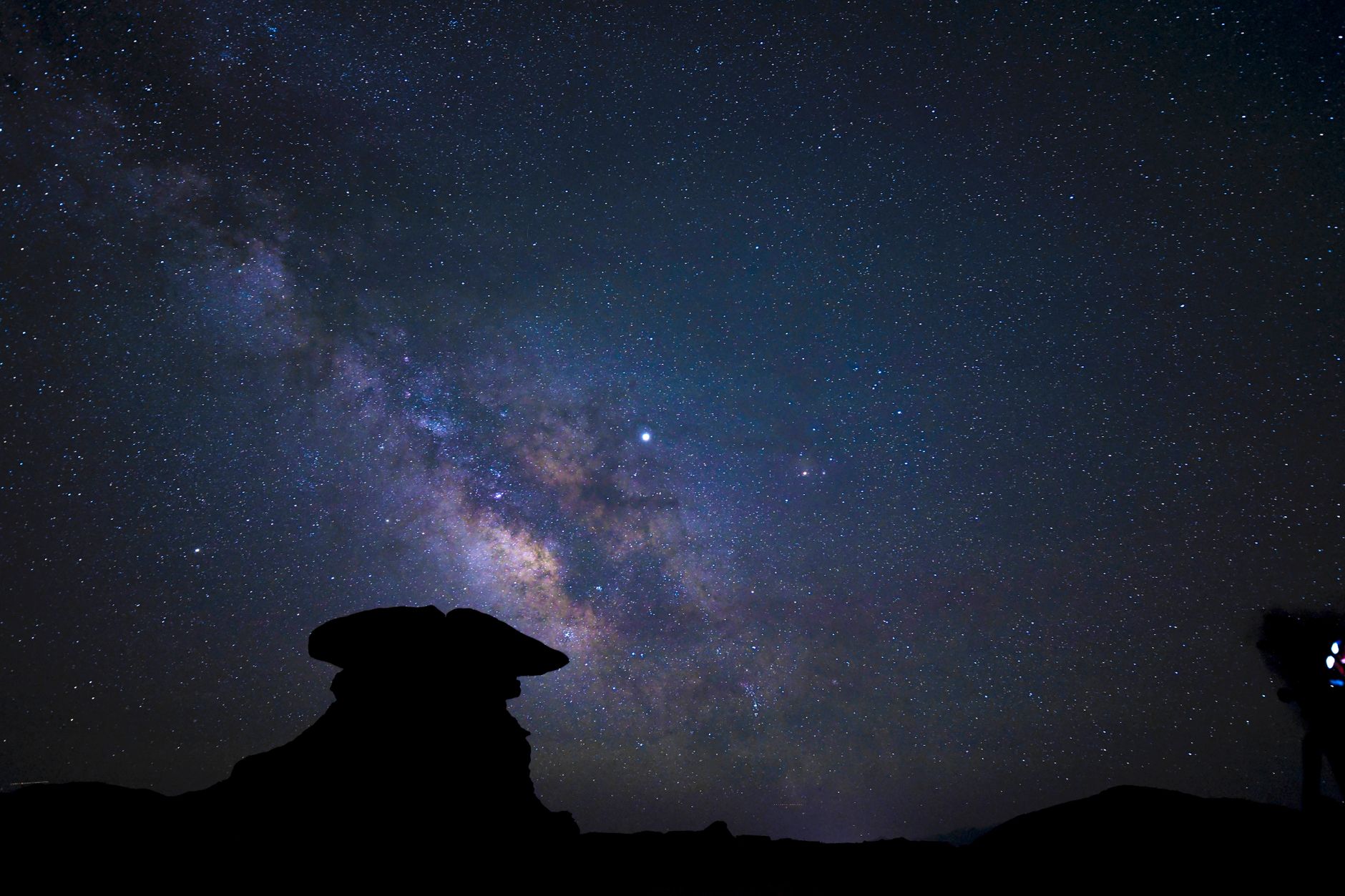
As urbanization and artificial light continue to push back the boundaries of the night, true darkness has become a precious commodity. Across the United States, a dedicated movement of conservationists, park rangers, and astronomers have carved out International Dark Sky Places—sanctuaries where the Milky Way still blazes with the intensity of ancient myth. Whether you are planning a weekend escape or mapping out an epic journey using our Voyage Roams Trip Planner, chasing the cosmos offers a humbling perspective on our place in the universe.
From the high-altitude deserts of the Southwest to the rugged Atlantic coastline, these protected dark sky reserves invite travelers to look upward. Packing for a celestial expedition requires more than a casual jacket; it demands an understanding of moon phases, local weather patterns, and the subtle art of dark adaptation.
1. Natural Bridges National Monument, Utah
As the world's first International Dark Sky Park, Utah's Natural Bridges sets the gold standard for stargazing in the American West. Located in a remote canyon country where the air is exceptionally dry and stable, this park offers horizon-to-horizon views unmarred by nearby urban sprawl.
Cultural Pro-Tip: Visit during the new moon phase and hike down to Sipapu Bridge just after twilight. The massive sandstone arch frames the galactic core during summer months, making it a bucket-list location for landscape astrophotographers.
For those looking to turn a quick overnight stop into an unforgettable journey, consult our Tested Itinerary Plan to seamlessly connect Natural Bridges with neighboring Canyonlands and Monument Valley.
2. Cherry Springs State Park, Pennsylvania
Proof that exceptional stargazing isn't restricted to the American West, Cherry Springs State Park in rural Pennsylvania is a mecca for eastern astronomers. Situated atop the Allegheny Plateau within the Susquehannock State Forest, this park benefits from surrounding undeveloped forest land that naturally blocks light pollution.
- The Night Sky Public Viewing Area: Open year-round for casual visitors with red-filtered flashlights.
- The Astronomy Field: Reserved strictly for serious telescope operators and overnight astrophotographers.
If you are traveling from major East Coast hubs like New York or Philadelphia, consult our Budget Travel Guides for smart ways to save on gas, vehicle rentals, and rustic camping gear.
3. Big Bend National Park, Texas
Sprawling along the border of Mexico, Big Bend boasts some of the darkest measured night skies in the contiguous United States. Far from major metropolitan areas, the Chihuahuan Desert provides an expansive canvas where the zodiacal light and airglow are frequently visible to the naked eye.
Essential Gear Checklist for Desert Stargazing:
- 1Red Headlamp: Essential for preserving your night vision while setting up camp.
- 2Sturdy Tripod & Intervalometer: Crucial for capturing sharp, long-exposure shots of the Milky Way.
- 3Insulated Layers: Desert temperatures plummet drastically after sunset, even in late spring.
- 4Planisphere or Star Chart App: Pre-downloaded offline to help identify constellations without cell service.
For a deeper dive into the region's dramatic landscapes and hidden desert oases, browse our complete Comprehensive Guide.
4. Aoraki Mackenzie and Global Equivalents (Domestic Honors: Mauna Kea, Hawaii)
While global stargazing circuits often highlight remote international sites, the volcanic summit of Mauna Kea in Hawaii offers an otherworldly elevation of 13,800 feet. Above 40 percent of Earth's atmosphere, the clarity and stability here are peerless. Visitors can acclimate at the mid-level visitor center before catching one of the most sublime sunset-to-stargaze transitions on the planet.
Budget Breakdown for Astrotourism Trips
Planning a dark-sky road trip doesn't have to break the bank. In fact, many of the best stargazing locations are situated in national parks and public lands where entrance fees are minimal or covered by an America the Beautiful pass.
| Expense Category | Budget Traveler (Per Day) | Comfort Traveler (Per Day) |
|---|---|---|
| Camping / Lodging | $15 – $30 (Campsites) | $150 – $250 (Glamping/Lodges) |
| Food & Supplies | $20 – $35 (Camp cooking) | $60 – $100 (Local dining) |
| Transportation | $30 – $50 (Gas share) | $80 – $150 (Rental SUV) |
| Park Passes | $5 – $10 (Amortized) | $5 – $10 (Amortized) |
Traveler's FAQ & Practical Takeaways
- When is the best time of year for stargazing? Late spring through early autumn offers prime views of the Milky Way core in the Northern Hemisphere. Winter nights offer longer hours of darkness and crisp, clear air, though temperatures are much colder.
- Do I need an expensive telescope? Absolutely not. A good pair of 7x50 or 10x50 binoculars will reveal lunar craters, nebulae, and star clusters that are invisible to the naked eye.
- How do I protect my night vision? Never look at your smartphone screen without a red-light filter. It takes roughly 20 to 30 minutes for human eyes to fully adapt to total darkness.
Ready to map out your celestial journey? Head over to our interactive Voyage Roams Trip Planner and start crafting your custom itinerary today.
Ready to Turn This Story Into Your Next Adventure?
Save places to your custom wishlist or map out a step-by-step day plan with Voyage Roams.
Elena Vance
Elena travels the globe reporting on cultural heritage, street food trails, and budget exploration for Voyage Roams.
Planning a trip to United States?
Discover verified places to visit, neighborhood recommendations, seasonality charts, and tested budgets in our comprehensive United States portal.