The Ultimate Vietnamese Coffee Guide: Beans, Brews, and Culture
From robust Robusta beans to creamy egg coffee, explore the rich heritage and vibrant café culture of Vietnam's most iconic daily ritual.

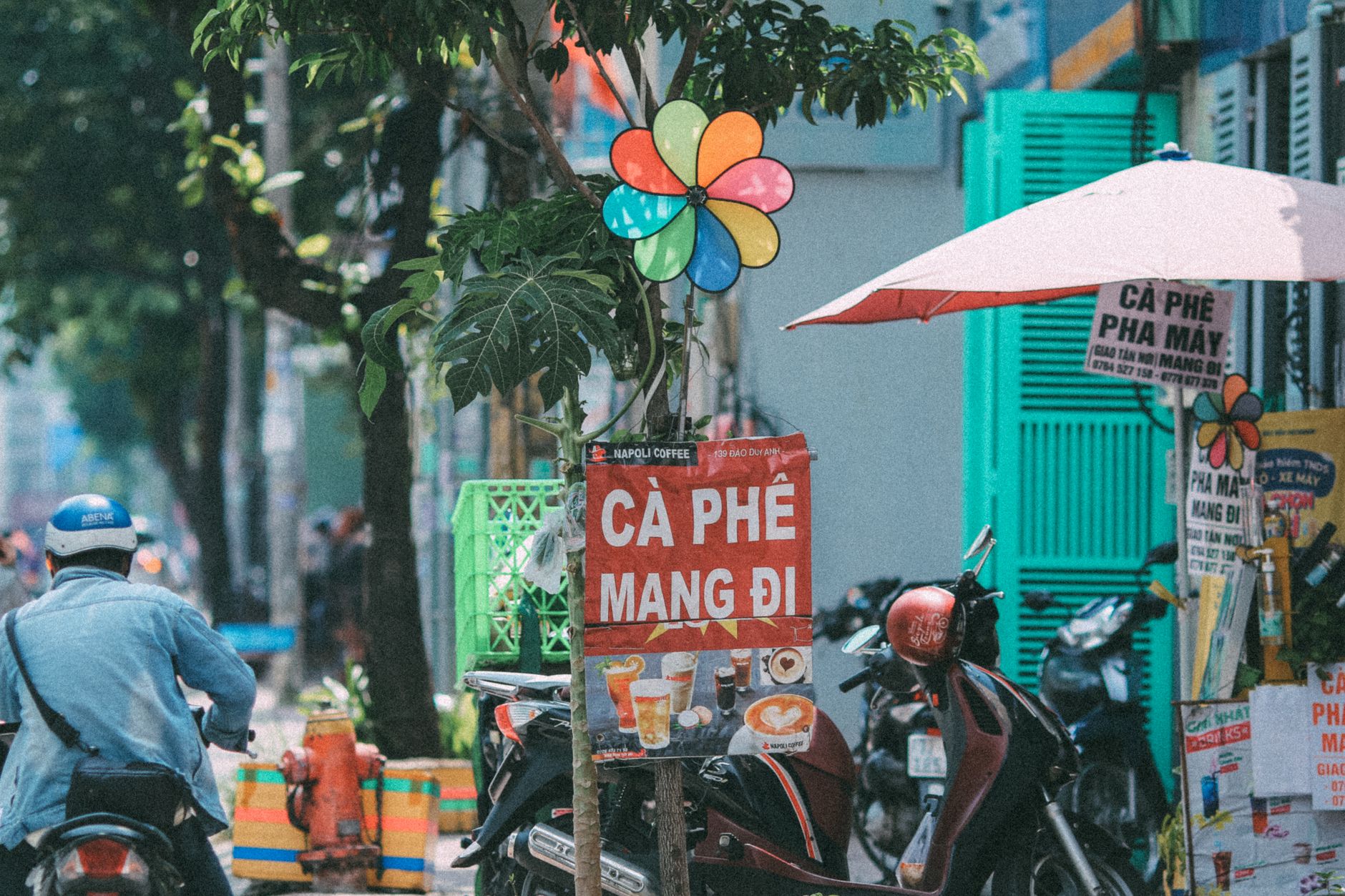
Introduction to Vietnam's Coffee Heritage
Step onto any bustling street corner in Hanoi or Ho Chi Minh City, and you will immediately notice the low plastic stools, the hypnotic hum of motorbikes, and the unmistakable aroma of dark-roasted coffee. Vietnam is not merely a country that consumes coffee; it is a nation defined by it. As the world's second-largest coffee producer, Vietnam has cultivated a distinct, vibrant coffee culture that marries French colonial influence with ingenious local adaptations.
Whether you are planning your first trip using our Voyage Roams Trip Planner or diving deep into local gastronomy via our Food & Drink Highlights, understanding the nuances of Vietnamese coffee is essential for any curious traveler.
The Beans: Why Robusta Reigns Supreme
While the global specialty coffee scene often champions delicate Arabica varieties, Vietnam proudly champions Robusta. Grown primarily in the fertile volcanic highlands of the Central Highlands—centered around the city of Buon Ma Thuot—Vietnamese Robusta beans contain nearly twice the caffeine of Arabica and offer a bold, earthy, chocolatey profile with low acidity.
- Flavor Profile: Dark chocolate, molasses, roasted nuts, and a heavy, syrupy body.
- Caffeine Kick: Higher antioxidant levels and a powerful jolt that powers the nation's workdays.
- The Blend: Many modern Vietnamese cafes now craft custom blends, balancing intense Robusta with a percentage of smooth Arabica from Da Lat.
Cultural Pro-Tip: Don't dismiss Robusta as inferior. When roasted with a touch of butter and fish sauce or caramel (traditional style), high-grade Vietnamese Robusta delivers a velvety, full-bodied cup that cuts effortlessly through sweet condensed milk.
The Classic Brews: Phin, Cà Phê Sữa Đá, and Beyond
The cornerstone of traditional Vietnamese coffee preparation is the *phin*—a simple, elegant metal drip filter that sits atop your glass. Patience is key here; watching the dark drops slowly filter through the gravity-fed chamber is a meditative morning ritual.
To dive deeper into regional café routes, check out our Tested Itinerary Plan for the ultimate tasting tour.
Essential Vietnamese Coffee Varieties
- 1Cà Phê Đen (Black Coffee): Strong, hot, and intensely aromatic, typically served with a side of loose sugar.
- 2Cà Phê Sữa Đá (Iced Milk Coffee): The undisputed king of Vietnamese street drinks. Hot brewed Robusta dripped over a thick layer of sweetened condensed milk, then poured generously over ice.
- 3Cà Phê Trứng (Egg Coffee): Hailing from Hanoi's Old Quarter, this decadent treat features robust black coffee topped with a rich, meringue-like foam made from whipped egg yolks and condensed milk.
- 4Cà Phê Cốt Dừa (Coconut Coffee): A refreshing tropical twist combining strong coffee blended with coconut milk, coconut cream, and crushed ice.
Regional Café Culture: From Hanoi to Saigon
Coffee culture shifts subtly as you travel longitudinally down the S-shaped map of Vietnam. In the labyrinthine alleys of Hanoi, café culture is intimate and historic. Locals sit shoulder-to-shoulder on miniature stools, often sipping slow drip coffee while playing chess or reading the morning paper.
Conversely, Ho Chi Minh City (Saigon) embraces a fast-paced, modern aesthetic. Here, sprawling multi-story lifestyle cafes, minimalist specialty coffee shops, and trendy hidden speakeasies cater to a booming young creative class. For a comprehensive overview of regional travel highlights, explore our Comprehensive Guide.
Budget Breakdown: What to Expect
Experiencing authentic Vietnamese coffee is remarkably accessible, fitting comfortably into any travel budget.
- Street Vibe / Local Stall: 15,000 to 25,000 VND ($0.60 – $1.00 USD) for a classic Cà Phê Sữa Đá.
- Traditional Neighborhood Café: 30,000 to 50,000 VND ($1.25 – $2.00 USD).
- Modern Specialty Coffee Shop: 60,000 to 95,000 VND ($2.50 – $4.00 USD) for pour-overs or creative signature drinks.
Practical Takeaways for Travelers
- Ask for Less Sugar: If you prefer your coffee less sweet, order your cà phê sữa with "ít sữa" (less milk).
- Bring Home Gear: Pick up an aluminum phin filter and a bag of local beans from a market like Ben Thanh in HCMC or Dong Xuan in Hanoi.
- Embrace the Pace: Never rush your brew. Let the phin finish dripping completely before stirring the condensed milk from the bottom of the glass.
Ready to Turn This Story Into Your Next Adventure?
Save places to your custom wishlist or map out a step-by-step day plan with Voyage Roams.
Elena Vance
Elena travels the globe reporting on cultural heritage, street food trails, and budget exploration for Voyage Roams.
Recommended Itineraries

Related Stories & Guides
 food drink
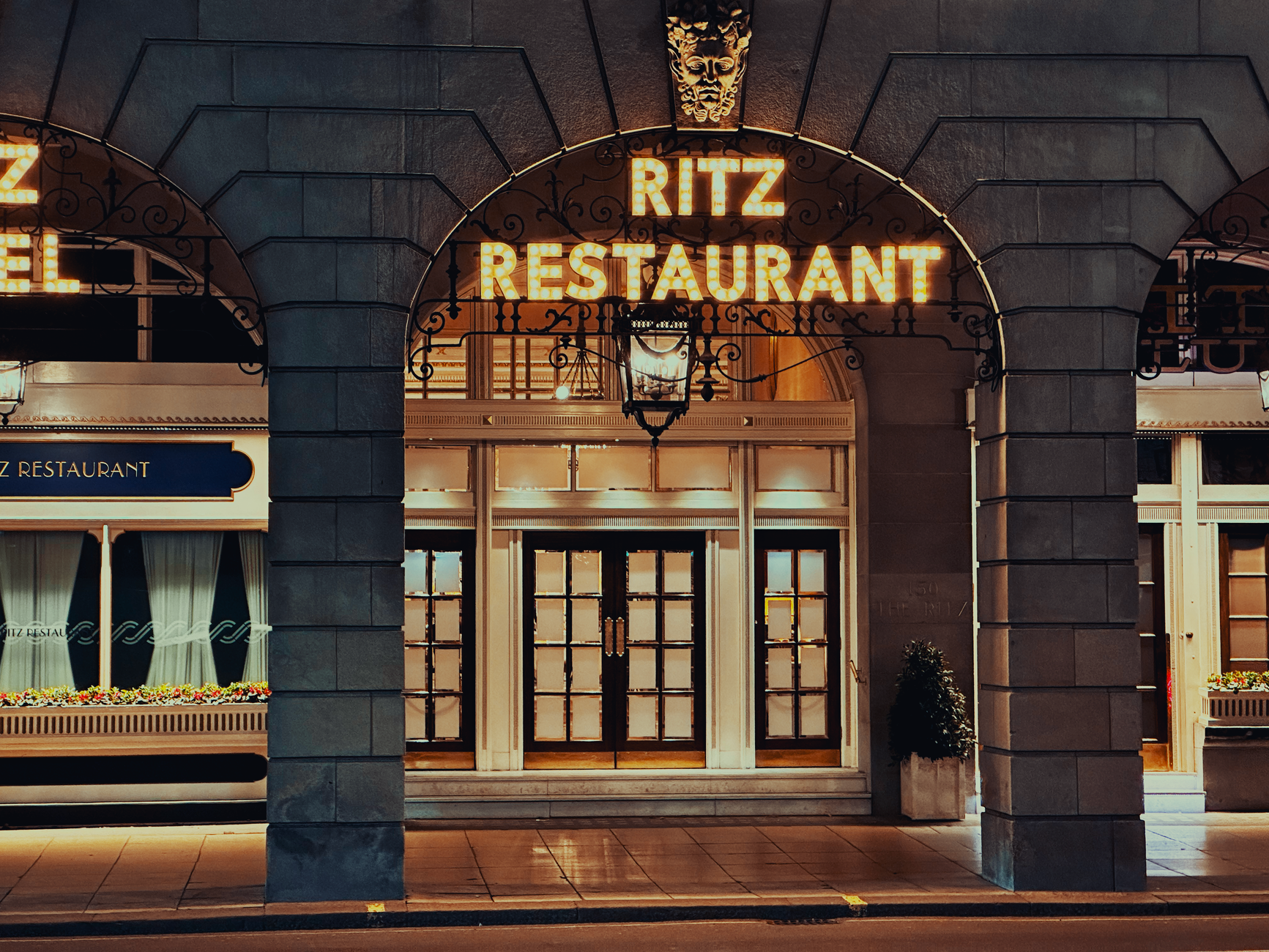
The World's Most Expensive Restaurants: A Luxury Dining Guide
 food drink
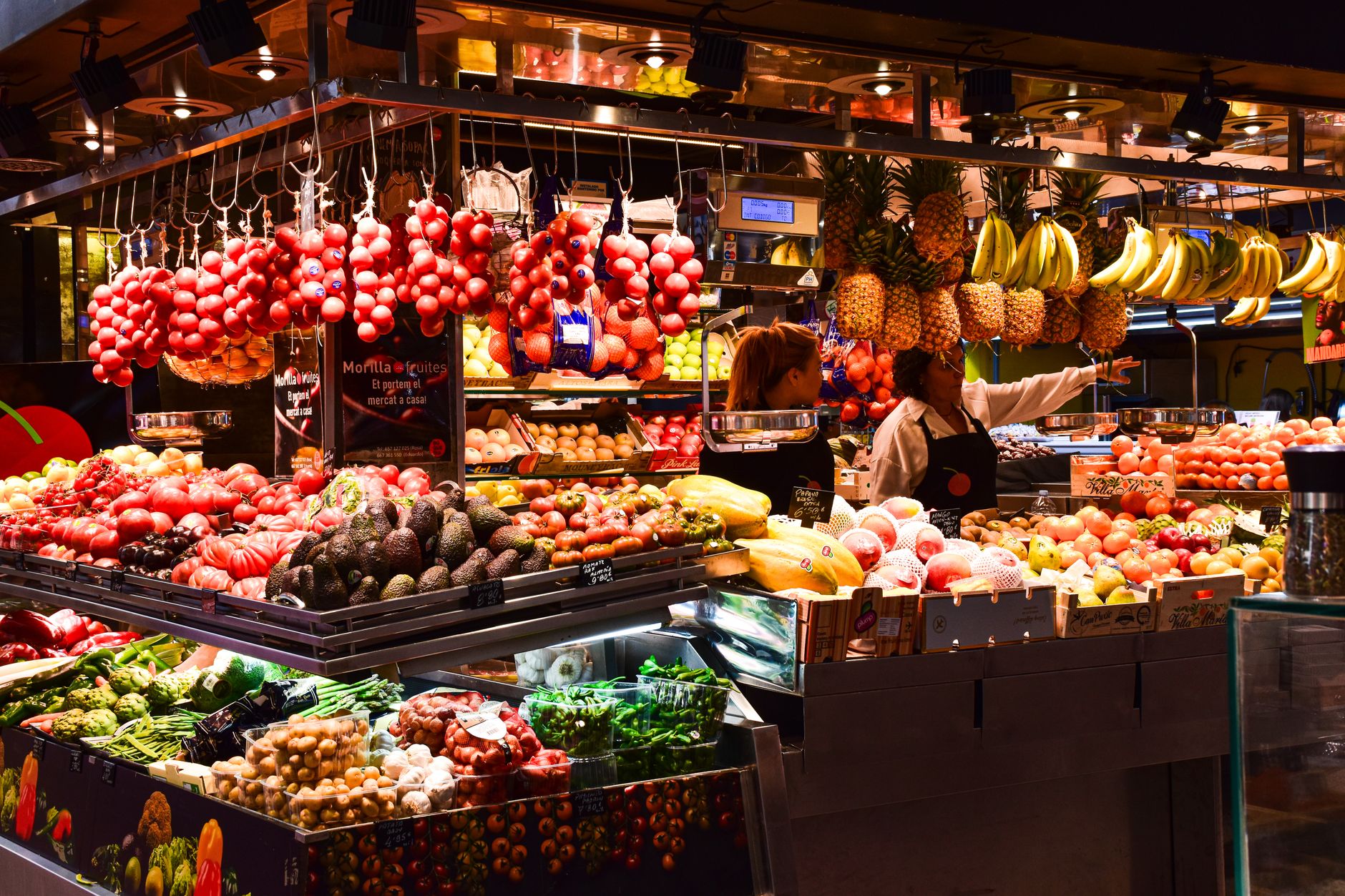
The Ultimate Guide to Mercat de la Boqueria: Barcelona’s Living Culinary Heart
 destinations