Introduction to Montana's Geothermal Wonderland
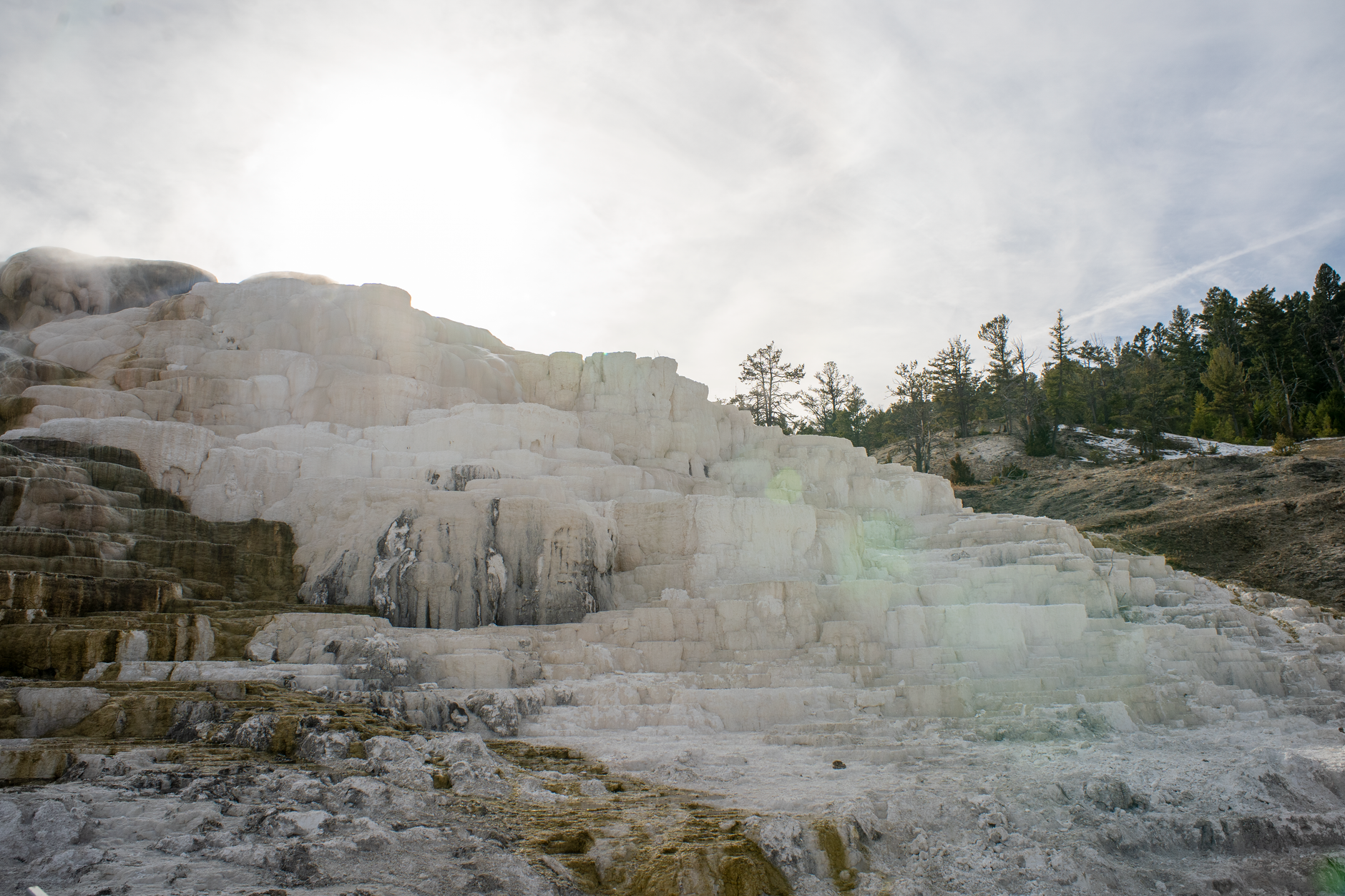
When the crisp mountain air of Big Sky Country begins to nip at your nose, few things rival the restorative magic of sinking into a steaming, mineral-rich geothermal pool. Montana sits atop a remarkably active seismic and volcanic history, resulting in a diverse collection of soaking spots. Whether you are planning a winter road trip or winding down after exploring rugged alpine trails featured in our Adventure Trails, Montana’s hot springs offer the ultimate sanctuary.
From commercialized luxury resorts with waterslides to rugged backcountry potholes known only to dedicated locals, the state’s mineral springs cater to every type of traveler. Before setting out, mapping your route with the Voyage Roams Trip Planner ensures you hit every geothermal gem along your path.
1. Chico Hot Springs: Historic Luxury in Paradise Valley
Nestled in the shadow of the jagged Absaroka Mountains just north of Yellowstone National Park, Chico Hot Springs is arguably the state’s most iconic geothermal retreat. Established in 1900, this historic resort effortlessly blends rustic Montana charm with upscale comfort.
- The Waters: Two large open-air mineral pools are kept at a soothing 96°F to 103°F, fed continuously by natural underground springs gushing at 150 gallons per minute.
- The Vibe: Elegant yet unpretentious. Guests can soak while gazing up at star-studded skies and snow-dusted peaks.
- Dining: The historic Dining Room at Chico is renowned for its fine dining and award-winning wine list, making it a celebrated stop on many Food & Drink Highlights itineraries.
Insider Tip: Non-guests can purchase day passes, but they operate on a strict first-come, first-served basis. Arrive early in the morning or during late-night hours to beat the tourist rushes.
2. Quinn’s Hot Springs Resort: The Clark Fork River Sanctuary
Located in Paradise, Montana (yes, that is the actual town name), Quinn’s Hot Springs Resort has been drawing travelers since the late 19th century. Positioned right along the rushing Clark Fork River, Quinn’s offers a peaceful retreat surrounded by dense pine forests.
Soaking Experience
Quinn’s features several pools with varying temperatures, ranging from warm relaxation pools to hotter plunge pools designed for deep muscle relief. The water is rich in minerals like sulfate, calcium, and sodium, renowned for easing chronic aches and promoting deep relaxation.
Accommodations and Dining
Stay in one of their cozy riverfront cabins or lodge rooms. For food lovers, the resort's Harwood House Restaurant serves exceptional regional cuisine, including fresh seafood and Montana-raised steaks.
3. Bozeman Hot Springs: Modern Amenities Meets Mineral Richness
For travelers flying into Gallatin Field or exploring the vibrant college town of Bozeman, the Bozeman Hot Springs offers a seamless blend of modern wellness facilities and natural mineral water.
- The Setup: Featuring 12 pools—both indoor and outdoor—ranging from a refreshing 85°F to a steaming 106°F.
- The Water: Completely natural and chemical-free, the water pumps straight from the ground, cooling slightly before filling the pools.
- Fitness Integration: The facility includes a fully equipped modern gym, making it a favorite post-workout recovery spot for local endurance athletes.
For a complete multi-day route through this region, check out our meticulously Tested Itinerary Plan.
4. Symes Hot Springs Hotel: Eclectic History in Hot Springs, MT
Head northwest to the small town of Hot Springs (appropriately named) to experience the Symes Hot Springs Hotel. Built in 1929, this property retains a quirky, bohemian, 1930s railroad-hotel charm that feels worlds away from modern commercial resorts.
- The Water: Known for exceptionally high mineral content, particularly sulfur and lithium, which locals affectionately call "liquid happiness."
- The Atmosphere: Deeply authentic, unpretentious, and historic. You won't find infinity edges or swim-up bars here—just honest, hot mineral water and friendly local characters.
5. Lost Trail Hot Springs and Backcountry Gems
If your idea of a hot spring involves trading cell service for absolute wilderness solitude, Montana delivers. Near the Idaho border along the Bitterroot Mountains, Lost Trail Hot Springs provides a rustic resort experience with private outdoor cedar tubs.
However, true adventurers seeking completely wild, undeveloped thermal pools often explore the backcountry surrounding the Greater Yellowstone Ecosystem.
Secret Spot: Be exceedingly cautious when seeking out wild, unsigned thermal pools. Many are dangerously hot, lack maintenance, and require strict adherence to Leave No Trace principles to protect fragile local ecosystems.
Budget Breakdown for a Montana Hot Springs Trip
Planning your geothermal getaway doesn't have to break the bank. Here is a realistic daily budget estimate for a soaking road trip:
| Expense Category | Budget Traveler | Mid-Range Explorer |
|---|---|---|
| Lodging (Night) | $40 (Campsite/Hostel) | $180 (Historic Cabin/Hotel) |
| Hot Springs Passes | $15 - $25 | $35 - $60 (Day/Resort Access) |
| Food & Drink | $30 (Groceries/Diner) | $75 (Local Dining & Wine) |
| Transport & Gas | $40 | $40 |
| Total / Day | $125 | $355 |
For more cost-effective travel hacks, browse our archive of Budget Travel Guides.
Practical Takeaways and Traveler's FAQ
What should I pack for Montana hot springs?
Always pack two swimsuits (so one can dry), a reusable water bottle to stay hydrated while soaking, slip-on sandals or water shoes, and a towel. If you are visiting rustic or wild springs, pack a flashlight and a heavy robe for the chilly walk back to your car.
Are reservations required?
For historic resorts like Chico and Quinn’s, lodging books out months in advance. Day-use soaking passes at major resorts often rely on walk-ins, but checking online booking portals prior to arrival is strongly advised during peak summer and winter holiday seasons.
Is it safe to soak in wild geothermal pools?
Wild pools come with inherent risks, including rapid temperature fluctuations and harmful bacteria like Naegleria fowleri in stagnant geothermal waters. Always keep your head above water in natural, undeveloped springs, and test temperatures cautiously before entering.
Discover more inspiring destinations through our Comprehensive Guide to the American West.