Introduction to the Cradle of the Renaissance
Walking through Florence feels like stepping directly into the pages of a gilded history book. Every cobblestone piazza, soaring marble basilica, and sun-drenched rooftop whispers tales of the Medici family, Leonardo da Vinci, and Botticelli. Yet beneath its monumental facade lies a vibrant, modern city pulsing with artisan coffee shops, avant-garde wine bars, and bustling leather markets. Whether you are crafting your dream getaway using our Voyage Roams Trip Planner or following a meticulously Tested Itinerary Plan, Florence rewards the curious traveler who dares to venture beyond the tourist-heavy Duomo square.
1. Marvel at Architectural and Artistic Marvels
No trip to the capital of Tuscany is complete without paying homage to its artistic titans. Begin your journey at the Galleria degli Uffizi, home to the world's finest collection of Renaissance masterpieces. Stand before Botticelli’s The Birth of Venus and lose yourself in the intricate details of Caravaggio's works.
- Book Ahead: Timed entry tickets are non-negotiable. Reserve them weeks in advance to bypass the agonizing multi-hour queues.
- The Duomo Complex: Climb Brunelleschi’s Dome for sweeping panoramic views of terra-cotta rooftops and the rolling Tuscan hills beyond.
Cultural Pro-Tip: Skip the endless lines at the main ticket office for the Giotto's Campanile and Duomo by purchasing your combined pass online the night before your visit.
For a deeper dive into Italy's breathtaking art hubs, explore our comprehensive Comprehensive Guide filled with insider regional secrets.
2. Taste Your Way Through Tuscan Food Culture
Florentine gastronomy is unapologetically rustic, hearty, and deeply comforting. Forget heavy cream sauces; here, olive oil, fresh herbs, and wood-fired meats take center stage.
- Bistecca alla Fiorentina: A massive, thick-cut T-bone steak char-grilled over glowing chestnut embers and seasoned simply with coarse salt and high-grade extra virgin olive oil.
- Schiacciata Sandwiches: Join the legendary queue at All’Antico Vinarjo for freshly baked flatbread stuffed with wild boar prosciutto, pecorino cream, and truffle spread.
- Lampredotto: For the truly adventurous foodie, try this traditional tripe sandwich from a historic street food cart.
For more culinary inspiration across Italy, check out our curated Food & Drink Highlights.
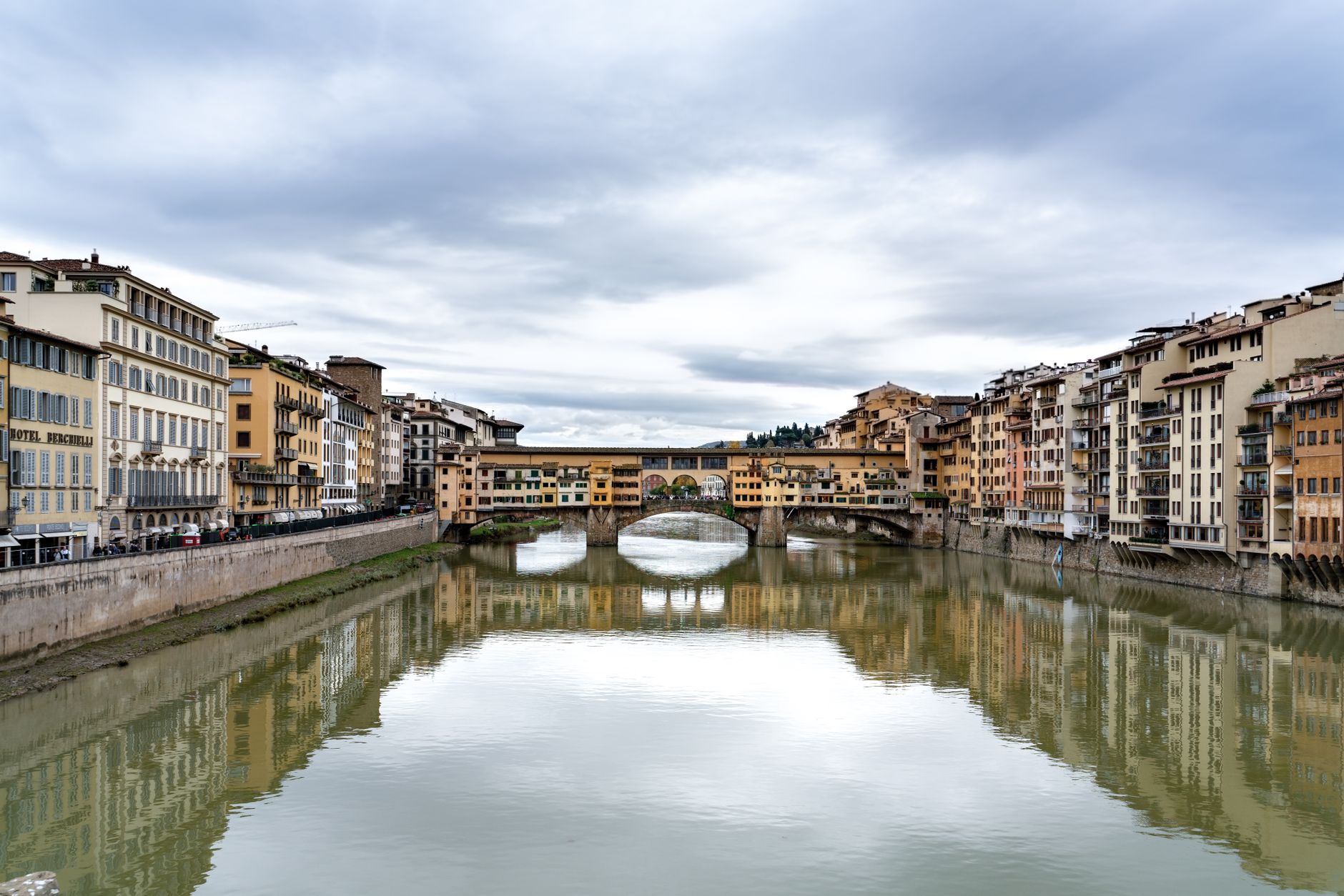
3. Cross the Historic Ponte Vecchio and Explore Oltrarno
While the bustling center demands your attention, the real magic happens when you cross the Arno River into the Oltrarno district. The famous Ponte Vecchio, lined with centuries-old glittering gold and silver jewelry shops, acts as your gateway.
Once across, you will find a quieter, more authentic Florence where local artisans still handcraft leather goods, restore antique furniture, and blow delicate glassware. Stop by Piazza Santo Spirito in the late afternoon to sip an Aperol Spritz alongside local artists and students.
4. Seek Out Secret Viewpoints and Lush Gardens
Escape the afternoon hum of the city streets by retreating to the verdant slopes of the Boboli Gardens behind the Pitti Palace. Featuring manicured hedges, hidden grottos, and classical statues, it is an open-air museum in its own right.
For the ultimate sunset vista, hike slightly further up the hill to Piazzale Michelangelo or the serene terrace of Abbadia al San Miniato al Monte. Watching the golden hour light wash over the Duomo from these vantage points is an unforgettable sensory experience.
5. Master Your Budget: Florence Travel Cost Breakdown
Traveling through Italy's artistic heart does not have to break the bank. With a little smart planning, you can experience la dolce vita on any budget.
- Budget Traveler (€50–€80 / day): Stay in vibrant hostels, enjoy savory pastries with espresso for breakfast, grab street-food panini for lunch, and explore free piazzas and churches.
- Mid-Range Explorer (€150–€250 / day): Book charming boutique guesthouses, dine at traditional trattorias, and secure guided museum tours.
- Luxury Connoisseur (€400+ / day): Indulge in five-star historic palazzos overlooking the Arno, private wine-tasting excursions in Chianti, and fine-dining tasting menus.
Discover more money-saving strategies across our Budget Travel Guides.
Traveler's Practical FAQ & Takeaways
- When is the best time to visit? Spring (April to May) and Autumn (September to October) offer pleasant weather and manageable crowds compared to scorching August.
- How do I get around? Florence is wonderfully compact and entirely walkable. Leave the car behind and explore the historic center strictly on foot.
- Is tipping expected? Tipping is not mandatory or customary in Italy. A small coperto (cover charge) is typically added to your bill at sit-down restaurants.