Top 10 Tourist Attractions in Austria: Imperial Palaces, Alpine Peaks, and Baroque Masterpieces
From the soaring peaks of the Tyrol to the grand palaces of Vienna, discover the cultural heart of Central Europe with our definitive guide.

Introduction to Austria's Timeless Allure
Austria occupies a unique crossroads in European history, where the grandeur of the Habsburg Empire meets the raw, untamed beauty of the Eastern Alps. Whether you are tracing the footsteps of Mozart in Salzburg, skiing the legendary slopes of Kitzbühel, or sipping Grüner Veltliner in the Wachau Valley, this nation offers an intoxicating blend of high culture and outdoor adventure.
To help you navigate this breathtaking country, we have curated the ultimate list of the top 10 tourist attractions in Austria. For a complete blueprint on how to see it all, be sure to consult our Tested Itinerary Plan before you book.
1. Schönbrunn Palace (Vienna)
Once the summer residence of the Habsburg monarchs, Schönbrunn Palace is a masterpiece of Baroque architecture. With 1,441 rooms painted in signature 'Schönbrunn yellow,' the palace offers a window into imperial opulence.
- The Grand Tour: Explore 40 state rooms, including the opulent Great Gallery where the Congress of Vienna took place.
- The Gardens: Stroll through the manicured French-style gardens leading up to the Gloriette monument.
Cultural Pro-Tip: Skip the main ticket hall queues by booking your time slot online weeks in advance. Arrive right when the gates open at 8:30 AM to experience the Great Parterre without the crowds.
2. Historic Centre of Salzburg
Nestled on the banks of the Salzach River, Salzburg is a fairytale city dominated by medieval fortresses and baroque domes. As the birthplace of Wolfgang Amadeus Mozart and the backdrop for The Sound of Music, its charm is legendary.
- Festung Hohensalzburg: One of Europe's largest medieval castles, accessible via a steep funicular railway.
- Getreidegasse: A bustling shopping lane lined with wrought-iron guild signs and Mozart's birth house.
For deeper cultural insights, explore our curated Food & Drink Highlights to find the best local spots for Salzburger Nockerl and authentic Austrian coffeehouse culture.
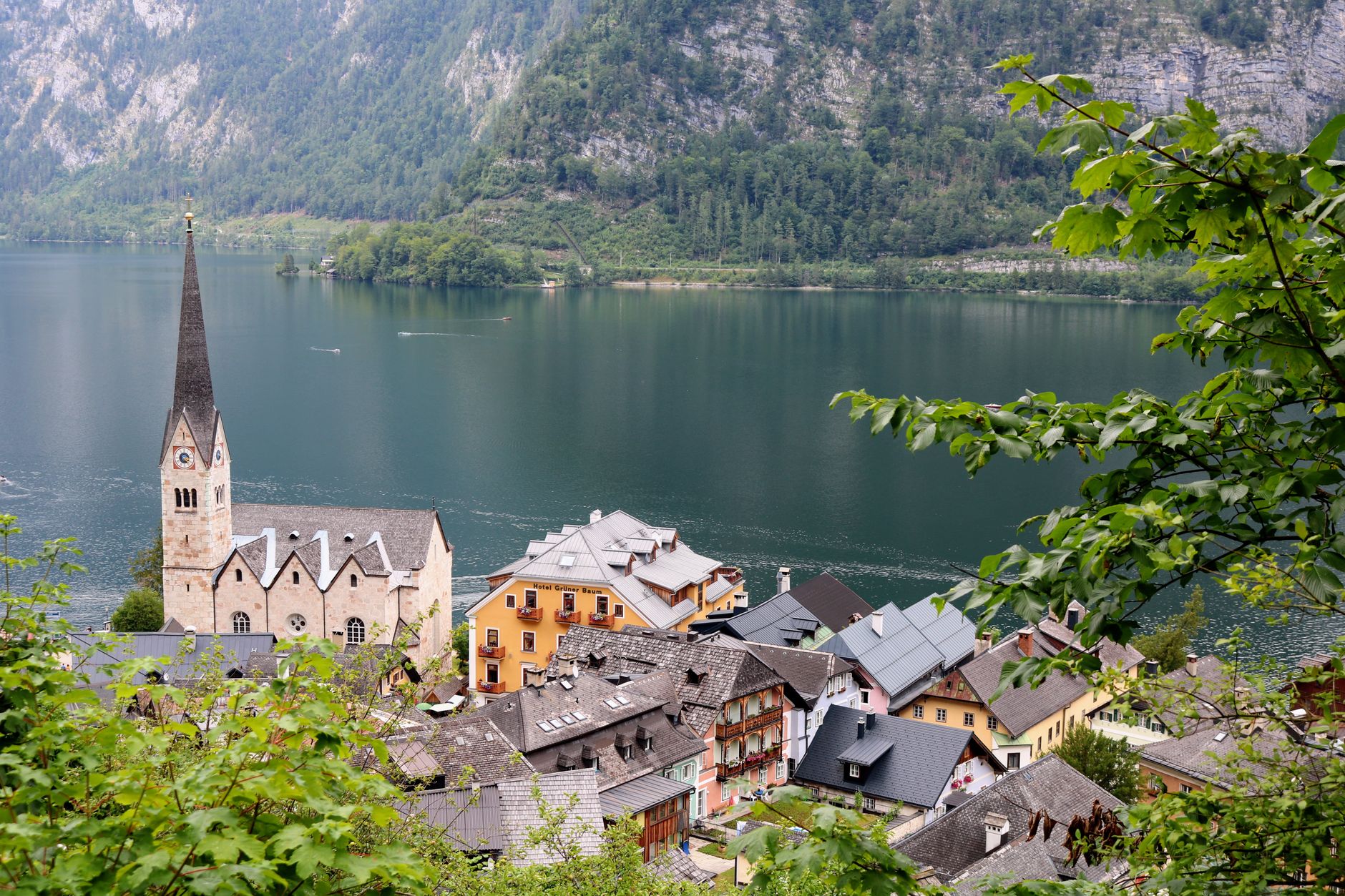
3. Hallstatt and the Salzkammergut Lake District
Perched precariously on the shores of the glassy Lake Hallstatt against a sheer mountain backdrop, this ancient salt-mining village is arguably Austria's most photogenic destination.
- Skywalk Salzwelten: Take the funicular up to the world's oldest salt mine for panoramic views of the Dachstein Alps.
- Evangelical Church: The slender steeple punctuating the lakeside is a postcard icon.
4. The Grossglockner High Alpine Road
For road-trip enthusiasts, the Grossglockner High Alpine Road is a non-negotiable pilgrimage. Spanning 48 kilometers with 36 hairpin turns, this engineering marvel climbs to the foot of Austria's highest peak, the Grossglockner.
- Edelweissspitze: The highest point on the route, offering a 360-degree viewing platform over 300 three-thousand-meter peaks.
- Wildlife Viewing: Keep your binoculars ready for wild Alpine marmots and ibex grazing near the melting Pasterze Glacier.
5. Vienna State Opera (Wiener Staatsoper)
As the global capital of classical music, Vienna demands a cultural immersion. The Vienna State Opera hosts a staggering operational schedule, changing its performance nearly every single day of the season.
- Standing Room Tickets: If formal boxes are out of your price range, queue up a few hours before the show for same-day standing room tickets priced at just 10 to 15 euros.
6. Melk Abbey (Stift Melk)
Perched on a rocky outcrop overlooking the Danube River, Melk Abbey is a golden-yellow Benedictine monastery that serves as the visual anchor of the picturesque Wachau Valley.
- The Library: Home to over 100,000 volumes, including priceless medieval manuscripts illuminated in gold leaf.
- The Church: A masterpiece of high baroque design, glittering with frescoes by Johann Michael Rottmayr.
7. Innsbruck and the Nordkette Cable Car
Innsbruck is where urban sophistication meets alpine wilderness. Surrounded by towering peaks, the capital of the Tyrol region features the famous Goldenes Dachl (Golden Roof) in its medieval Old Town.
- Hungerburgbahn: Designed by architect Zaha Hadid, this futuristic funicular whisks travelers from the city center straight into the heart of the Karwendel Nature Park in under 25 minutes.
8. Krimml Waterfalls
Plunging a massive 380 meters across three tiers, the Krimml Waterfalls are the highest in Central Europe. Located within the High Tauern National Park, the roaring cascades generate a fine mist rich in negative ions, which has been scientifically proven to offer therapeutic respiratory benefits.
9. Graz Historic Centre and Schloss Eggenberg
Austria’s second-largest city, Graz boasts a UNESCO-listed Old Town that effortlessly blends Gothic, Renaissance, and modern architecture—exemplified by the futuristic Kunsthaus Graz (Art Museum).
- Schloss Eggenberg: A stunning baroque palace surrounded by idyllic peacock gardens, representing an intact planetary allegory in its architecture.
10. The Eisriesenwelt Werfen
Translating to the 'World of the Ice Giants,' this is the largest ice cave system on Earth. Stretching over 42 kilometers inside the Tennengebirge mountains, visitors traverse vast chambers of glittering, frozen waterfalls and towering ice sculptures.
Adventure Secret Spot: Guided tours are mandatory and take about 75 minutes. Temperatures inside hover below freezing year-round, so pack heavy winter coats, gloves, and sturdy hiking boots even if you visit in July.
Budget Breakdown & Practical Planning
Planning a trip to Austria requires balancing the high costs of urban centers like Vienna with more affordable alpine regions. Here is a realistic daily budget estimate per person:
- Budget Traveler: €50 – €90 per day (Hostels, public transit, bakery breakfasts, and free walking tours)
- Mid-Range Explorer: €150 – €280 per day (3-star hotels, sit-down dinners, regional train passes, and paid attraction entry)
- Luxury Seeker: €400+ per day (5-star heritage hotels, fine dining, private tours, and luxury rentals)
To map out your expenses and design a custom route tailored to your wallet, use our interactive Voyage Roams Trip Planner.
Traveler's FAQ
Q: What is the best time of year to visit Austria?
A: May to September offers pleasant weather for hiking and sightseeing, while December brings world-class Christmas markets. For skiing, aim for January through March.
Q: Do I need a car to get around Austria?
A: Not necessarily. Austria boasts one of the most efficient rail networks in Europe (ÖBB), making major cities and lake towns easily accessible without a vehicle. However, a car is recommended for alpine passes like the Grossglockner.
Q: What language is spoken in Austria?
A: German is the official language, though Austrian German has distinct regional dialects and vocabulary. English is widely spoken in all tourist areas.
Ready to dive deeper? Explore our Comprehensive Guide for detailed city maps, packing lists, and hidden culinary gems.
Ready to Turn This Story Into Your Next Adventure?
Save places to your custom wishlist or map out a step-by-step day plan with Voyage Roams.
Elena Vance
Elena travels the globe reporting on cultural heritage, street food trails, and budget exploration for Voyage Roams.
Planning a trip to Austria?
Discover verified places to visit, neighborhood recommendations, seasonality charts, and tested budgets in our comprehensive Austria portal.
Related Stories & Guides
 destinations
When is the Best Time to Visit the Florida Keys? A Season-by-Season Guide
 destinations
The Ultimate Madrid Things to Do Guide: Art, Tapas, and Royal Splendor
 destinations