Introduction to the Hellenic Coastline
Greece boasts over 13,000 kilometers of coastline, making it a sanctuary for beach lovers worldwide. Whether you seek the powdery white dunes of the Cyclades, the dramatic volcanic backdrops of the South Aegean, or the lush, emerald-kissed coves of the Ionian Islands, the Hellenic shores offer an unmatched diversity of seaside experiences.
To craft the ultimate coastal holiday, pair your itinerary insights with our expertly Tested Itinerary Plan and use the Voyage Roams Trip Planner to map out your ferry connections.
1. Elafonisi Beach, Crete: The Pink Sand Wonder
Located on the southwestern tip of Crete, Elafonisi is a protected Natura 2000 area famous for its unique pink-tinted sand, caused by millions of crushed seashells mixing with white quartz.
- Water Conditions: Shallow, crystal-clear turquoise lagoon that makes wading effortless.
- Best Time to Visit: Early morning (before 9:00 AM) to experience the pink sands in tranquility before the day-trippers arrive from Chania.
Cultural Pro-Tip: Never remove sand or shells from Elafonisi. The strict conservation laws protect this delicate ecosystem, and park rangers enforce heavy fines for unauthorized removals.
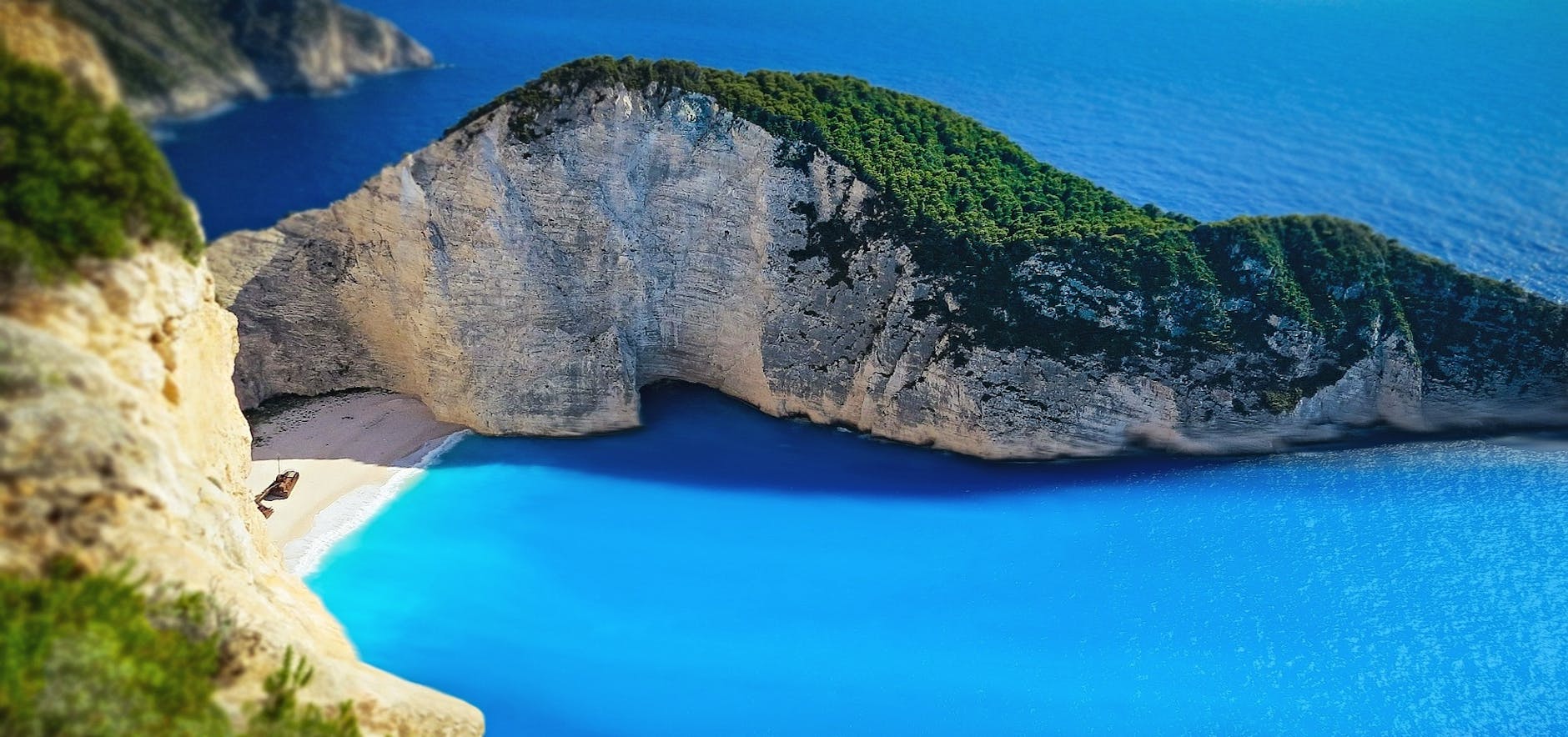
2. Navagio Beach (Shipwreck Cove), Zakynthos
Framed by towering limestone cliffs and washed by electric-blue waters, Navagio Beach on Zakynthos Island is one of the most photographed places on earth. While access to the beach itself is strictly regulated due to erosion concerns, the panoramic view from the cliff-top viewing platform remains an absolute bucket-list experience.
For more culinary and coastal pairings nearby, check out our curated Food & Drink Highlights.
3. Sarakiniko Beach, Milos: The Lunar Landscape
If you are looking for something completely otherworldly, Milos delivers. Sarakiniko features smooth, stark-white volcanic rock formations sculpted by wind and waves, contrasting sharply with the deep indigo of the Aegean Sea. There is no sand here—instead, bathers sunbathe on smooth stone shelves and leap directly into the deep blue channel.
Essential Gear for Sarakiniko
- Sturdy water shoes for navigating the slippery white rock surfaces.
- Polarized sunglasses to combat the intense glare bouncing off the white volcanic stone.
- A waterproof dry bag for your electronics.
4. Myrtos Beach, Kefalonia
Nestled between the feet of two soaring mountains in the Ionian archipelago, Myrtos Beach is a masterpiece of dramatic natural architecture. Its brilliant white pebble shore meets a gradient of blues that transitions from translucent turquoise to deep cobalt.
Budget Planning for Your Greek Beach Escape
Visiting Greece's pristine coasts doesn't have to break the bank. For savvy travelers looking to stretch their euros, consult our comprehensive Budget Travel Guides.
| Expense Category | Budget Traveler (Per Day) | Mid-Range Traveler (Per Day) | Luxury Traveler (Per Day) |
|---|---|---|---|
| Accommodation | €30 - €60 (Hostels/Guesthouses) | €100 - €220 (Boutique Hotels) | €350+ (Luxury Resorts & Villas) |
| Food & Dining | €15 - €25 (Street food/Tavernas) | €40 - €80 (Seaside Tavernas) | €120+ (Fine Dining) |
| Local Transport | €10 - €20 (Public Ferries/Buses) | €40 - €70 (Car/ATV Rentals) | €150+ (Private Transfers/Speedboats) |
Traveler's Practical FAQ
Q: When is the best time to visit Greek beaches?
A: The shoulder seasons of May to June and September to October offer warm swimming weather, fewer crowds, and lower accommodation rates.
Q: Are sunbeds and umbrellas free on Greek beaches?
<footer>
Most organized beaches charge a small fee (€10 to €30 per set) for sunbed rentals, though buying a drink from an adjoining beach bar often grants you access.
</footer>