The Ultimate Guide to the Best Time to Visit France
From lavender fields in bloom to crowd-free Alpine slopes, discover the perfect season for your French escape.

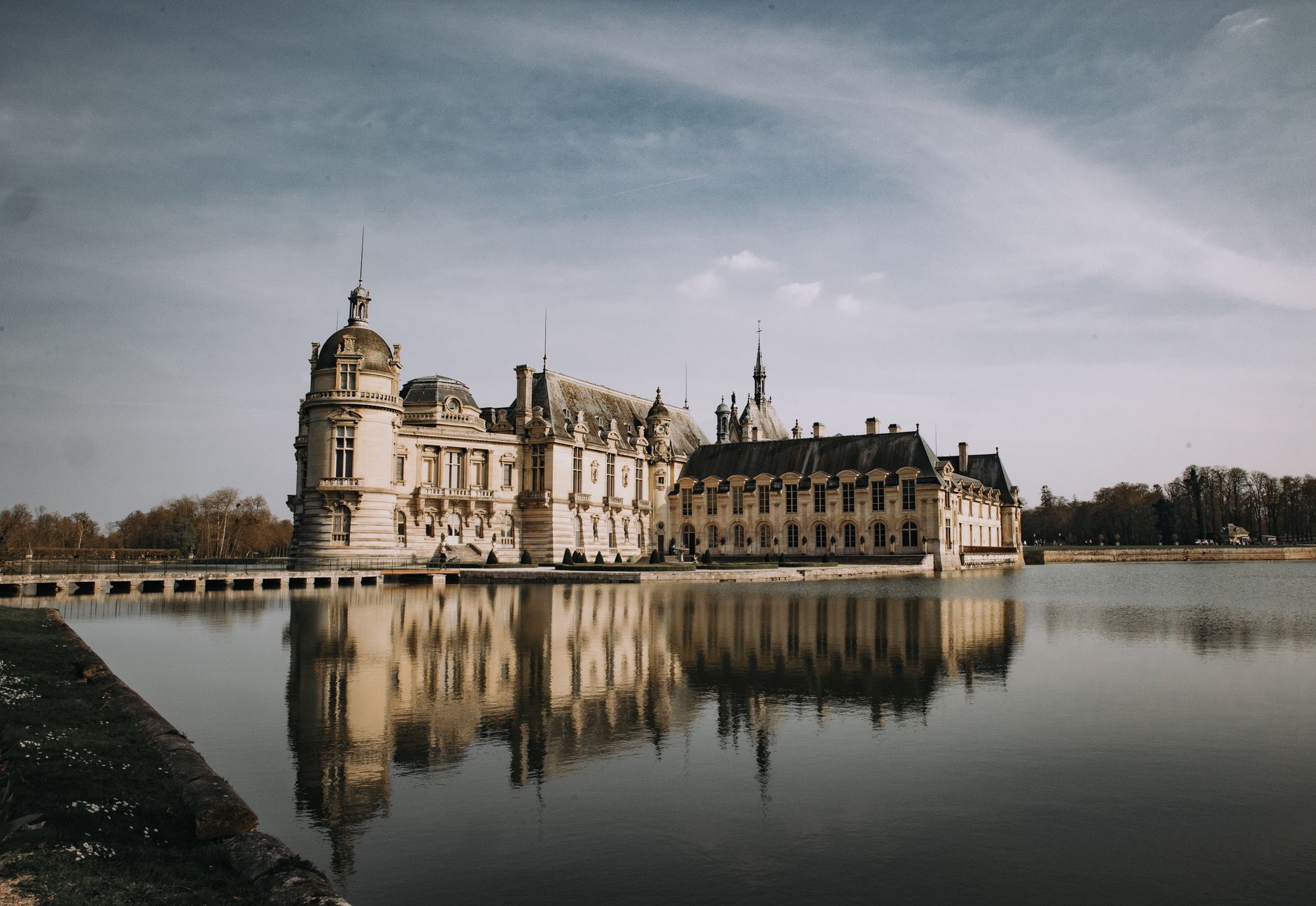
Few destinations capture the global imagination quite like France. From the wind-swept cliffs of Normandy to the sun-baked vineyards of Bordeaux and the glittering shores of the Côte d'Azur, this is a country of endless reinvention. But to experience its magic fully, timing is everything.
Whether you are planning a romantic weekend in Paris, a wine-tasting pilgrimage, or an alpine adventure, choosing when to go can make or break your trip. To help you plan, we've compiled this definitive seasonal guide, backed by years of on-the-ground exploration. If you're ready to start mapping out your logistics, check out our Comprehensive Guide to get started, or use the interactive Voyage Roams Trip Planner to build your custom itinerary.
1. The Golden Windows: Spring (April to June) & Autumn (September to October)
For the vast majority of travelers, the shoulder seasons of spring and autumn represent the absolute best time to visit France. During these months, you’ll enjoy a near-perfect balance of pleasant weather, manageable crowds, and reasonable pricing.
Spring: Renaissance and Blooms
As the winter chill departs, France bursts into color. Cherry blossoms frame the Eiffel Tower, and outdoor cafe terraces come alive with locals sipping espresso in the soft sunlight.
- Highlights: Wisteria in Provence, blooming gardens in the Loire Valley, and comfortable temperatures for walking tours in Paris.
- What to Pack: Light layers, a stylish trench coat, and a reliable umbrella for occasional spring showers.
Autumn: Harvest and Golden Hues
September and October are arguably the most sensory months to explore France. The summer crowds have dispersed, the air turns crisp, and the country’s wine regions enter the high-stakes drama of the vendange (grape harvest).
- Highlights: Wine tasting in Burgundy and Bordeaux, hiking in the Pyrenees amidst autumn foliage, and truffle season kicking off in Périgord.
- What to Pack: Warm sweaters, light scarves, and comfortable walking boots for rural exploration.
"To experience Paris without the crowds, bypass the summer rush entirely. October brings a crisp, golden hue to the Jardin du Luxembourg that no July sun can match."
2. Summer Splendor: July to August (Peak Season)
Summer in France is a double-edged sword. On one hand, the days are long, the weather is reliably warm, and the country’s cultural calendar is packed with world-class festivals. On the other hand, you will face peak prices, intense heatwaves (les canicules), and overwhelming crowds at iconic sites.
The August Phenomenon
It is vital to understand that during August, France undergoes a massive internal migration. Millions of French citizens take their annual congés payés (paid leave) and head straight to the coasts.
- The Upside: Paris can feel surprisingly quiet and peaceful, as local traffic thins out.
- The Downside: Many independent shops, bakeries, and family-run bistros in major cities close entirely for three to four weeks. Meanwhile, coastal resorts in the south are packed to capacity.
If you must travel in summer, we highly recommend booking your accommodations and train tickets at least 6 to 9 months in advance. For a detailed roadmap of how to navigate the country during high season, refer to our Tested Itinerary Plan.
3. Winter Magic: November to March (Low Season)
If you are traveling on a budget or prefer quiet museums over sunbathing, winter is an underrated gem. Apart from the festive Christmas period and ski season in the Alps, winter is the quietest and cheapest time to visit France.
Cozy Cities & Festive Markets
From late November through December, northeastern France transforms into a winter wonderland. The Alsace region, particularly Strasbourg and Colmar, hosts some of the oldest and most beautiful Christmas markets in Europe.
- Museums Without the Lines: In Paris, you can stand before the Mona Lisa or wander through the Musée d'Orsay without being jostled by tour groups.
- Alpine Adventures: From January to March, the French Alps (Chamonix, Courchevel, Val d'Isère) offer world-class skiing and snowboarding conditions.
For budget-conscious travelers, this is the prime window to secure luxury accommodations at a fraction of their summer rates. Explore our curated Budget Travel Guides for more tips on maximizing your euros during the low season.
4. Regional Breakdown: The Best Time for Every Corner of France
| Region | Best Months | Why Go Then |
|---|---|---|
| Paris & Île-de-France | April–May, September–October | Mild weather, beautiful foliage, active cultural season. |
| French Riviera (Côte d'Azur) | June & September | Warm enough to swim, but avoids the stifling August crowds. |
| Provence | Late June to Mid-July | This is the peak window to see the iconic lavender fields in full bloom. |
| Loire Valley | May–October | Perfect for cycling between historic châteaux and exploring manicured gardens. |
| French Alps | Dec–March (Skiing), July–August (Hiking) | Exceptional snow cover in winter; lush wildflower meadows in summer. |
"If your heart is set on seeing Provence's lavender fields, plan your trip for early July. By late July, harvesting begins, and by August, most fields have been cleared."
5. Budget Breakdown by Season
To help you align your travel goals with your wallet, here is a quick snapshot of what to expect financially across the different seasons:
- 1High Season (July–August, Late December):
- Flights & Accommodation: 40% to 100% markup compared to low season.
- Availability: Extremely tight. Booking months in advance is non-negotiable.
- 1Shoulder Season (April–June, September–October):
- Flights & Accommodation: Moderate pricing. Excellent value for boutique hotels.
- Availability: Good, though popular spots like Provence during lavender season still require early booking.
- 1Low Season (November–March, excluding Christmas):
- Flights & Accommodation: Deep discounts. Great time to find airfare deals and hotel promotions.
- Availability: High, though some tourist-centric businesses in coastal towns may be closed for the season.
6. Practical Takeaways & Traveler's FAQ
When is the best month to visit Paris?
May and September are widely considered the best months to visit Paris. You'll experience beautiful weather, lively outdoor dining, and a bustling cultural scene without the extreme heat of summer.
What is the cheapest month to fly to France?
January and February are typically the cheapest months to fly to France. Mid-week flights in November also offer excellent value, provided you don't mind cooler, wetter weather.
When can you see lavender in France?
The lavender fields of Provence typically bloom from mid-June to mid-July. The exact timing depends on winter temperatures and rainfall, but early July is generally the safest bet.
Summary Checklist for Your France Trip:
- [ ] Determine your travel priority (beaches, skiing, wine, or city sightseeing).
- [ ] Check for regional holidays and school vacation schedules (vacances scolaires).
- [ ] Book high-speed TGV train tickets up to 3 months in advance for the best rates.
- [ ] Pack adaptable, layered clothing to handle sudden European weather shifts.
Ready to Turn This Story Into Your Next Adventure?
Save places to your custom wishlist or map out a step-by-step day plan with Voyage Roams.
Elena Vance
Elena travels the globe reporting on cultural heritage, street food trails, and budget exploration for Voyage Roams.
Planning a trip to France?
Discover verified places to visit, neighborhood recommendations, seasonality charts, and tested budgets in our comprehensive France portal.
Related Stories & Guides
destinationsThe Best Time to Visit France: A Complete Seasonal Guide
 destinations
The Ultimate Romantic Vacations USA Guide: From Coastal Cliffs to Desert Oases
 destinations