The Best Time to Visit France: A Complete Seasonal Guide
From the sun-drenched coastlines of the French Riviera to the snow-capped peaks of Chamonix, discover the perfect season for your French escape.

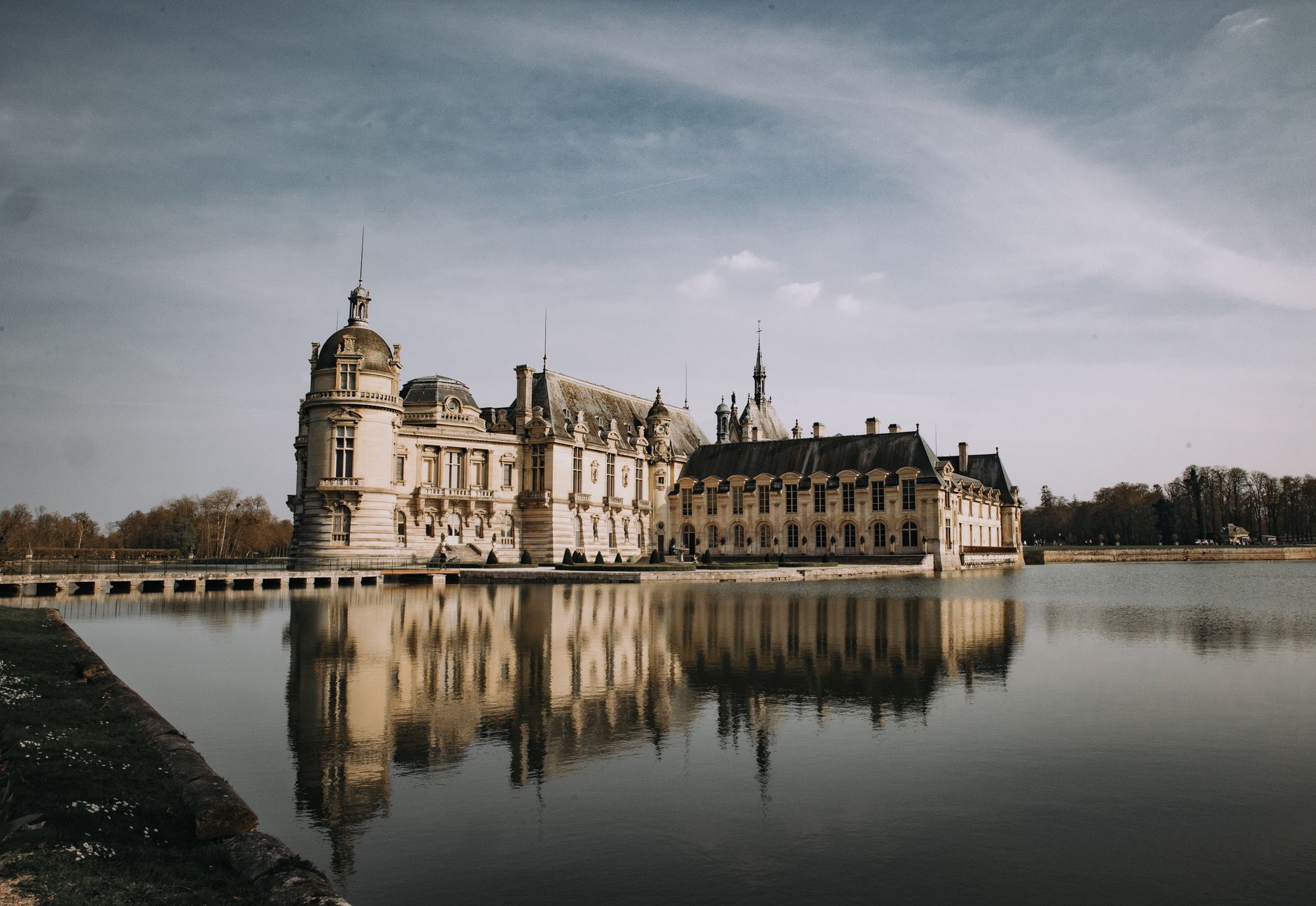
No country captures the global imagination quite like France. Whether your dreams are filled with warm croissants in a Parisian café, lavender fields undulating under a Provençal sun, or skiing down the pristine slopes of the French Alps, timing is everything. France experiences a diverse range of climates, and choosing when to visit can make the difference between standing in a three-hour line at the Louvre or having a quiet gallery almost entirely to yourself.
To help you plan the ultimate getaway, we have broken down the best times to visit France by season, highlighting regional nuances, budget variations, and insider secrets. Before you start packing, you can also map out your route using our interactive Voyage Roams Trip Planner.
The Golden Window: Spring (April to June) for Culture and Blooms
There is a reason songwriters and poets have spent centuries romanticizing springtime in Paris. As the winter chill recedes, France awakens in a burst of pastel blossoms, outdoor café seating, and vibrant cultural festivals.
During these shoulder-season months, temperatures range from a comfortable 10°C to 20°C (50°F to 68°F). It is the absolute best time for sightseeing in major cities, hiking through the Loire Valley, and exploring historic châteaux without the suffocating summer crowds.
Why Spring is Magical:
- The Gardens of Versailles: See Monet’s gardens in Giverny and the grand fountains of Versailles burst into spectacular bloom.
- Outdoor Café Culture: Experience the simple pleasure of sipping a café au lait on a Parisian sidewalk without needing a patio heater.
- The Cannes Film Festival: Head south in May to catch a glimpse of silver-screen royalty on the Croisette.
Voyage Roams Insider Tip: May features several national public holidays in France (including Ascension Day and Pentecost). During these long weekends, locals travel heavily, meaning some regional shops may close, and train tickets can sell out fast. Plan ahead!
If you're mapping out a classic route through the capital and beyond, consult our expertly crafted Tested Itinerary Plan to optimize your spring travel days.
The Sizzling Peak: Summer (July to August) for Beaches and Lavender
Summer in France is a high-octane affair. The sun shines bright, the lavender fields of Provence are in full, fragrant purple bloom, and the glamorous beach clubs of the French Riviera (Côte d'Azur) operate at maximum capacity.
However, summer also brings soaring temperatures (frequently exceeding 30°C or 86°F) and peak-season pricing. Flights, hotels, and train tickets reach their highest costs of the year.
Navigating "Les Grandes Vacances":
In late July and throughout August, millions of French and European workers take their annual summer holidays. This leads to a unique phenomenon:
- 1Coastal Congestion: Coastal regions like Nice, Saint-Tropez, and Biarritz become incredibly crowded.
- 2Parisian Quietude: Paris empties of locals. While major tourist attractions remain open, many independent boulangeries, family-run bistros, and boutique shops close for the entire month of August.
- 3Bastille Day: If you are in France on July 14th, prepare for spectacular military parades in Paris and dazzling fireworks displays nationwide.
To balance the high costs of summer travel, browse through our curated Budget Travel Guides for tips on finding affordable boutique stays and free regional festivals.
The Connoisseur’s Choice: Autumn (September to November) for Wine Harvests
Ask any seasoned travel editor, and they will likely tell you that autumn is the absolute best time to visit France. By September, the summer rush has cleared, children are back in school, and the intense heat softens into crisp, golden afternoons.
This is the season of the vendange (the grape harvest). Wine regions like Bordeaux, Burgundy, Champagne, and Alsace come alive with agricultural energy. The foliage turns brilliant shades of amber and rust, making it an incredibly romantic time for a road trip.
Autumn Highlights:
- Wine Tastings: Participate in local harvest festivals and taste fresh-pressed grape must before it begins fermentation. To dive deeper into the culinary landscape, explore our Food & Drink Highlights.
- The Truffle & Wild Mushroom Season: Foodies will delight in autumn menus featuring freshly foraged chanterelles, porcini mushrooms, and black truffles.
- Lower Rates: Accommodation prices drop significantly starting in mid-September, making luxury château stays much more accessible.
The Alpine & Festive Glow: Winter (December to March) for Skiing and Markets
While winter is considered the low season for most of France, it represents peak season for two specific travel styles: ski enthusiasts heading to the Alps, and holiday lovers seeking out Christmas magic.
From late November through December, the Alsace region near the German border transforms into a winter wonderland. The Strasbourg Christmas Market—dating back to 1570—is legendary, featuring hundreds of wooden chalets selling hand-carved ornaments, gingerbread, and steaming cups of spiced vin chaud (mulled wine).
Where to Go in Winter:
- The French Alps & Pyrenees: World-class resorts like Chamonix, Courchevel, and Val d'Isère offer some of the best skiing and snowboarding on earth.
- Parisian Museum Hopping: Winter is the quietest time to visit France's legendary museums. You can admire the Mona Lisa or the Venus de Milo without fighting through a wall of selfie sticks.
- The Nice Carnival: In February, the French Riviera warms up early with one of the world's most vibrant spring carnivals.
For a deeper dive into regional winter activities, take a look at our Comprehensive Guide.
Budgeting by Season: A Financial Breakdown
To help you align your travel goals with your wallet, here is a quick breakdown of what to expect financially across the different travel seasons in France:
| Season | Months | Accommodation Costs | Crowd Levels | Best For |
|---|---|---|---|---|
| Peak | July – August | Extremely High | Very Crowded | Beaches, Lavender Fields, Alpine Hiking |
| Shoulder | April – June & Sept – Oct | Moderate | Manageable | Sightseeing, Wine Tasting, Outdoor Activities |
| Low | Nov – March (excl. Holidays) | Budget-Friendly | Low | Museum Hopping, City Breaks, Budget Travel |
Traveler’s FAQ: Practical Takeaways
When is the cheapest time to visit France?
The cheapest time to fly to France and find budget accommodations is during the late autumn and winter months (November through February, excluding the Christmas and New Year holidays).
When can I see the lavender fields in Provence?
The lavender typically blooms from mid-June to early August. The absolute peak is usually in early July, before the harvest begins in mid-to-late August.
Is Paris closed in August?
Not entirely. Major museums (like the Louvre and Orsay), landmarks (the Eiffel Tower), and large department stores remain open. However, many smaller, authentic local restaurants, bakeries, and artisan shops will be closed for the annual summer holiday.
What is the best month for wine tasting in France?
September and October are spectacular because of the grape harvest. However, because wineries are incredibly busy processing grapes, you should book cellar tours and tastings months in advance.
Ready to Turn This Story Into Your Next Adventure?
Save places to your custom wishlist or map out a step-by-step day plan with Voyage Roams.
Elena Vance
Elena travels the globe reporting on cultural heritage, street food trails, and budget exploration for Voyage Roams.
Planning a trip to France?
Discover verified places to visit, neighborhood recommendations, seasonality charts, and tested budgets in our comprehensive France portal.
Related Stories & Guides
destinationsThe Ultimate Guide to the Best Time to Visit France
 destinations
The Ultimate Romantic Vacations USA Guide: From Coastal Cliffs to Desert Oases
 destinations