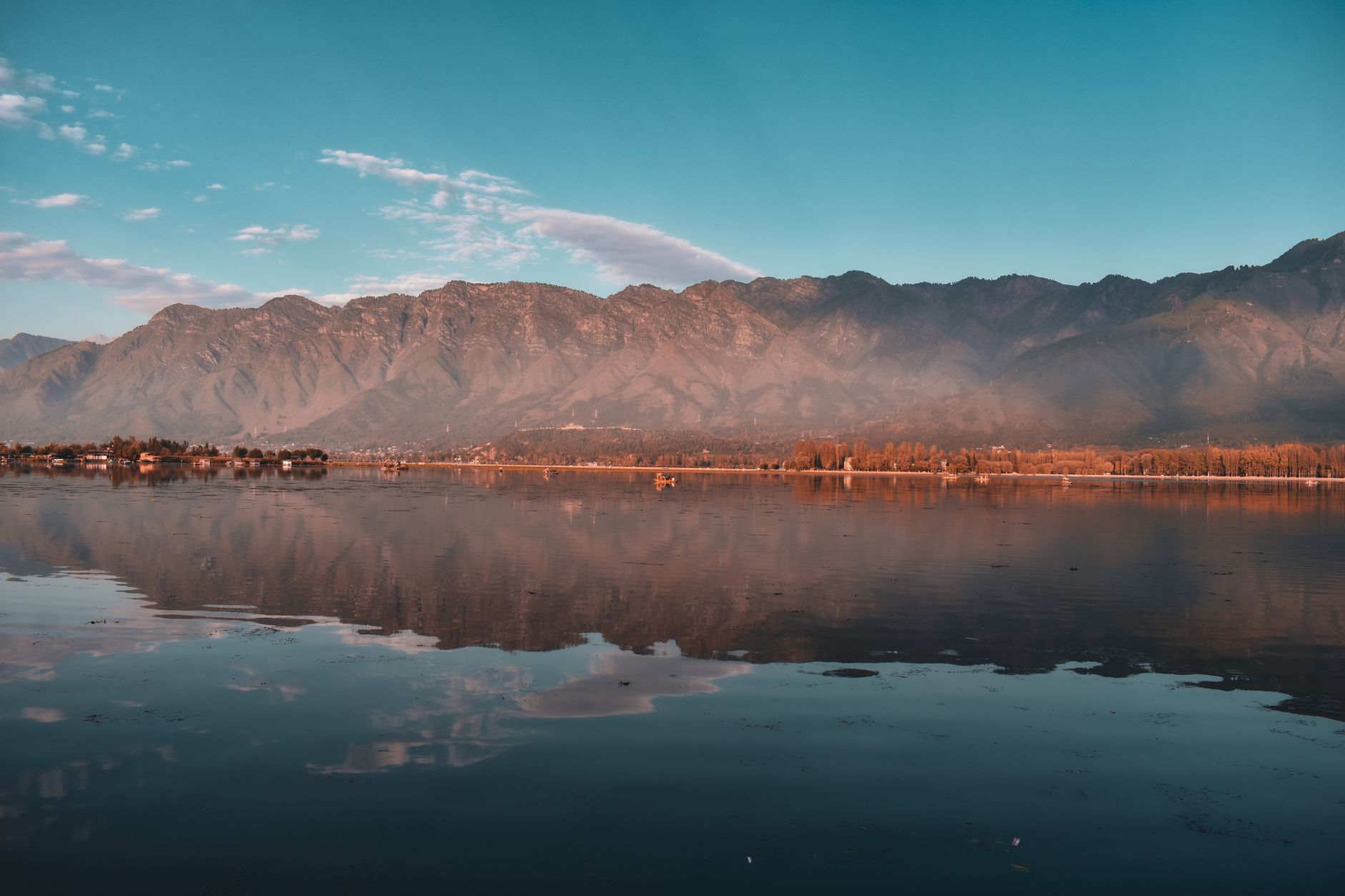
Navigating India’s Microclimates: An Introduction
India is not just a country; it is a subcontinent of staggering ecological diversity. When planning your journey, understanding the climate is the single most critical factor. The weather patterns here dictate everything from the accessibility of high-altitude Himalayan passes to the feasibility of tiger safaris in Central India.
To help you plan, we have broken down the Indian year into three primary seasons: the cool, dry winter (October to March); the hot, dry summer (April to June); and the humid monsoon (July to September). Each season offers a completely different version of India. Whether you are looking for a luxurious cultural immersion or an off-the-beaten-path trek, timing is everything. To begin mapping out your journey, you can use our interactive Voyage Roams Trip Planner to align your dates with the ideal destinations.
The Peak Season: Winter (October to March)
For the vast majority of travelers, winter represents the absolute best time to visit India. During these months, the scorching heat of the plains subsides, giving way to warm, sunny days and cool, crisp nights.
Where to Go
This is the premier window to explore the iconic Golden Triangle (Delhi, Agra, and Jaipur). The desert state of Rajasthan is at its most welcoming, with comfortable temperatures perfect for exploring hilltop forts and bustling bazaars. It is also the ideal time to cruise the tranquil backwaters of Kerala or lounge on the golden beaches of Goa.
Key Festivals
Winter is India’s festive high season. You can witness Diwali (the Festival of Lights) in October or November, and the vibrant, color-soaked celebrations of Holi in March.
Cultural Pro-Tip: If you plan to travel during major festivals like Diwali or Holi, book your train tickets and heritage hotels at least four to five months in advance. The entire country is on the move, and premium transport options sell out rapidly. For a detailed breakdown of cultural etiquette during these events, explore our Culture & Heritage Hub.
The Shoulder Season: Summer (April to June)
As April arrives, the thermometer climbs rapidly across central and southern India, with temperatures regularly exceeding 40°C (104°F). While the plains can feel oppressive, this is the golden hour for high-altitude adventurers.
Where to Go
This is the absolute best time to head north into the mighty Himalayas. Regions like Ladakh, Himachal Pradesh, and Uttarakhand open up as snow melts from the high passes. It is also the prime season for wildlife enthusiasts. As water sources dry up in national parks like Ranthambore, Kanha, and Bandhavgarh, tigers and other majestic wildlife gather around remaining watering holes, making them far easier to spot.
Budget & Crowds
Because the plains are hot, you will find luxury heritage hotels in Rajasthan and Kerala offering massive discounts of up to 50% off their winter rates. If you can handle the dry heat, this is an excellent time for budget-conscious travelers to experience luxury for less.
The Low Season: Monsoon (July to September)
By mid-June, the southwest monsoon sweeps across the subcontinent, bringing torrential rains, high humidity, and dramatic thunderstorms. While many travelers avoid this period, the monsoon has a loyal following of writers, photographers, and slow travelers.
Where to Go
The southern state of Kerala transforms into a lush, emerald paradise. This is traditionally considered the best time to undergo Ayurvedic wellness treatments, as the cool, moist atmosphere is said to help the body absorb therapeutic oils. Alternatively, you can escape the rain entirely by traveling to Ladakh, which lies in the rain shadow of the Himalayas and remains dry, sunny, and accessible.
What to Expect
- Lush Landscapes: The Western Ghats and rural countrysides turn intensely green, punctuated by roaring waterfalls.
- Lower Costs: Flight and accommodation prices plunge to their lowest annual rates.
- Logistical Challenges: Flooding and landslides can cause severe delays in train and road travel, especially in mountainous regions.
To prepare for a rainy-season adventure, check out our comprehensive India Destination Guide for essential packing lists and safety tips.
Seasonal Cheat Sheet by Region
To make your planning seamless, here is a quick-reference guide categorized by India's major geographic zones:
| Region | Best Months to Visit | Avoid Months | Why? |
|---|---|---|---|
| North India (Delhi, Rajasthan, Agra) | October to March | May to June | Extreme summer heat can make sightseeing dangerous. |
| The Himalayas (Ladakh, Leh) | June to September | December to February | Heavy winter snow cuts off road access and closes hotels. |
| South India (Kerala, Tamil Nadu) | November to February | June to August | Heavy monsoon rains can disrupt coastal travel and houseboat cruises. |
| East India (Kolkata, Darjeeling) | October to April | July to September | Heavy monsoon rains can trigger landslides in hilly tea-growing regions. |
Traveler's FAQ & Practical Takeaways
When is the best time to see the Taj Mahal?
To experience the Taj Mahal at its most magical, visit between October and March. Aim for sunrise to avoid both the crowds and the midday heat. Note that heavy winter fog in December and January can occasionally obscure the monument in the early mornings.
What is the cheapest time to visit India?
The cheapest time to visit is during the monsoon season (July to September). If you want a balance of decent weather and lower prices, aim for the shoulder-season months of April or September/October.
How many days do I need for a first trip?
For a classic introduction to the country, we recommend a 10-to-14-day itinerary. This allows you to explore the Golden Triangle and add a short excursion to either the deserts of Rajasthan or the serene canals of the south. You can follow our step-by-step India Golden Triangle Itinerary to maximize your time.