When is the Best Time to Visit New Zealand? A Season-by-Season Guide
Unlocking Aotearoa's dramatic landscapes, from golden summer road trips to crisp alpine ski escapes.

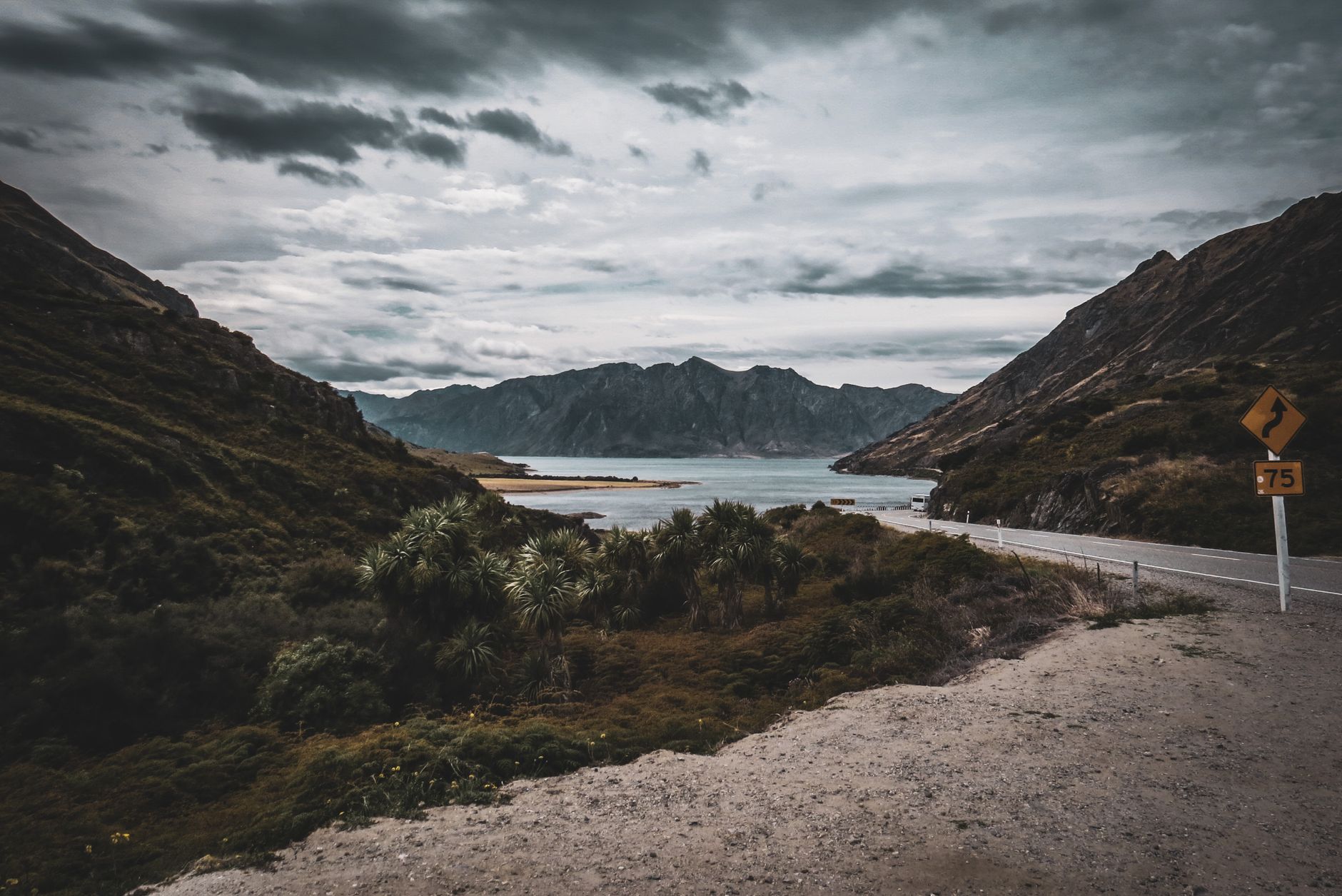
Planning a journey to Aotearoa (the Land of the Long White Cloud) requires careful timing. Because New Zealand sits in the Southern Hemisphere, its seasons are completely inverted compared to North America and Europe. Whether you are chasing alpine snow, blooming lupins, or empty coastal highways, timing your trip is everything.
For a complete overview of the country's most iconic regions before you go, explore our Comprehensive Guide.
Summer (December to February): Sun, Festivals, and Peak Adventure
Summer in New Zealand brings long, sun-drenched days, vibrant festivals, and peak tourist energy. Temperatures hover comfortably between 20°C and 30°C (68°F to 86°F), making it prime time for coastal road trips, multi-day alpine tramping, and swimming in crystal-clear lakes.
- Pros: Warmest weather, all hiking tracks fully open, incredible beach conditions, and lively outdoor dining.
- Cons: Highest prices for accommodation and car rentals, heavy crowds at major sights like Milford Sound and Abel Tasman.
Cultural Pro-Tip: Summer coincides with the peak holiday period for locals (mid-December to late January). Book your campervan and boutique stays at least six to nine months in advance to secure availability.
For inspiration on structuring your summer road journey, check out our Tested Itinerary Plan.
Autumn (March to May): Golden Hues and Harvest Season
As the summer crowds disperse, autumn blankets the South Island—particularly Central Otago and Arrowtown—in stunning shades of amber and gold. Daytime temperatures remain pleasant, ranging from 15°C to 25°C (59°F to 77°F), though evenings grow refreshingly crisp.
This is also harvest season for New Zealand's world-renowned wine regions, such as Marlborough and Hawke's Bay. Food and wine enthusiasts will find this period exceptionally rewarding.
- Pros: Breathtaking autumn foliage, fewer tourists, stable weather, and lower shoulder-season rates.
- Cons: Days become noticeably shorter; some high-altitude alpine tracks may experience early dustings of snow.
Winter (June to August): Snowcapped Peaks and Cozy Escapes
If you are an avid skier or snowboarder, New Zealand's winter is your playground. The Southern Alps receive consistent snowfalls, turning towns like Queenstown and Wanaka into bustling alpine hubs. Winter is also prime time for spotting migrating marine life and enjoying geothermal hot pools in Rotorua.
- Pros: World-class skiing with shorter lift lines, dramatic snow-capped scenery, and cozy winter lodge vibes.
- Cons: Shorter daylight hours, freezing temperatures in the South Island, and occasional road closures due to ice.
If you want to keep costs down during the cooler months, take a look at our expert tips on Budget Travel Guides.
Spring (September to November): Blossoms and Newborn Lambs
Spring in New Zealand is a season of dramatic contrasts. You can witness snowcapped mountain peaks alongside rolling green hills dotted with millions of newborn lambs. Lupins begin to bloom across the Mackenzie Basin toward the end of spring, creating brilliant patches of purple and pink.
- Pros: Rushing waterfalls fed by melting snow, vibrant wildflower blooms, and significantly fewer tourists.
- Cons: Highly unpredictable "four seasons in one day" weather patterns.
Customizing Your Itinerary with Smart Planning
Deciding on the exact week or month to touch down in Aotearoa depends entirely on your travel style. To map out your flights, driving routes, and must-see attractions seamlessly, utilize the interactive Voyage Roams Trip Planner.
Traveler's FAQ: Practical Takeaways
- What is the absolute best overall month to visit? March is widely considered a sweet spot, offering warm weather, smaller crowds, and stunning autumn foliage.
- Do I need a visa? Most international visitors require an NZeTA (New Zealand Electronic Travel Authority) prior to departure.
- Is freedom camping allowed? Yes, but strictly regulated. Your vehicle must be certified self-contained, and you must camp only in designated areas.
Ready to Turn This Story Into Your Next Adventure?
Save places to your custom wishlist or map out a step-by-step day plan with Voyage Roams.
Elena Vance
Elena travels the globe reporting on cultural heritage, street food trails, and budget exploration for Voyage Roams.