When to Go: The Ultimate Guide to the Best Time to Visit Tokyo
From fleeting cherry blossoms to crisp autumn foliage, discover the ideal season for your Japanese metropolis adventure.

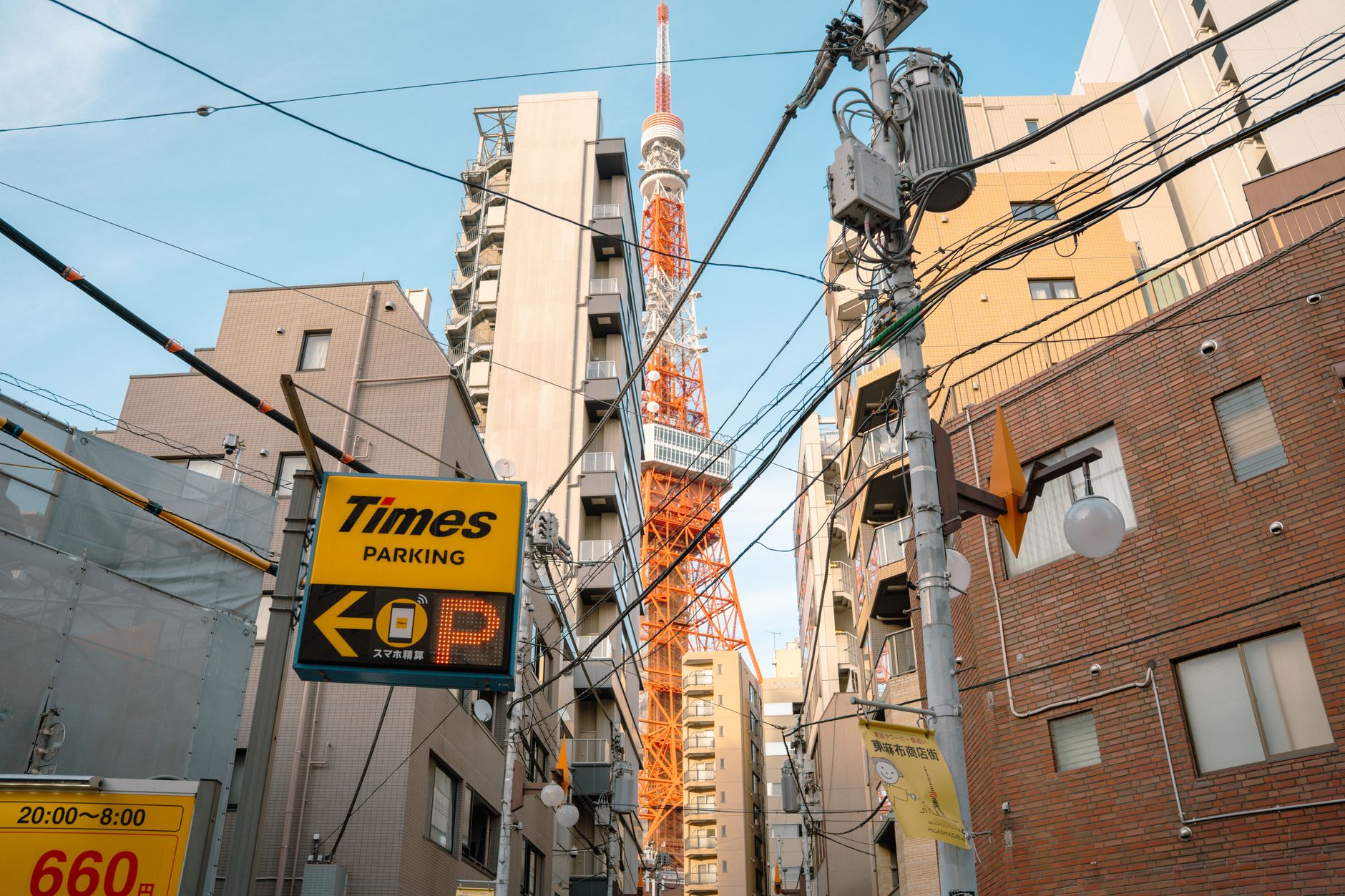
Introduction: Decoding Tokyo’s Rhythm
Tokyo is a city of perpetual motion, a sprawling neon metropolis where ancient temples share a skyline with futuristic skyscrapers. Yet, beneath its relentless pace, the city beats in time with the natural world. Deciding on the best time to visit Tokyo entirely depends on what kind of traveler you are—whether you dream of walking beneath cascading pink petals, savoring steaming bowls of ramen in the crisp autumn air, or navigating the city during its quietest, most budget-friendly months.
To craft the perfect vacation, it helps to balance weather patterns, festival calendars, and seasonal tourism surges. For a comprehensive overview of the city's top sights regardless of when you arrive, consult our Comprehensive Guide. If you are looking to map out your days efficiently, our Tested Itinerary Plan offers a foolproof blueprint.
Spring (March to May): Cherry Blossoms and Mild Air
Spring is undeniably the most popular season to visit Tokyo, and for good reason. The city erupts in shades of pink as sakura (cherry blossoms) bloom, typically peaking in late March or early April. Parks like Ueno, Shinjuku Gyoen, and the Meguro River transform into bustling hubs of hanami (flower-viewing) celebrations.
- Weather: Mild and pleasant, with daytime temperatures ranging from 15°C to 22°C (59°F to 72°F).
- Crowds: Exceptionally high. Hotels book out months in advance, and iconic spots get very crowded.
- Budget Impact: Peak pricing applies across flights, accommodation, and tours.
Cultural Pro-Tip: Join the locals for an evening yozakura (night cherry blossom viewing) at Ueno Park, where thousands of glowing paper lanterns create a magical, ethereal atmosphere.
Summer (June to August): Festivals, Fireworks, and Humidity
Summer in Tokyo is hot, humid, and dramatic. June brings the tsuyu (rainy season), while July and August see temperatures frequently soaring above 35°C (95°F) with high humidity. However, this season compensates for the weather with a vibrant festival calendar.
This is the premier season for traditional matsuri (festivals) and spectacular hanabi (fireworks) displays over the Sumida River. For food lovers, summer nights are synonymous with outdoor beer gardens and sizzling street food stalls (yatai). Explore the culinary side of the season through our Food & Drink Highlights.
- Insider Secret: Beat the midday heat by exploring Tokyo’s subterranean labyrinth of underground shopping malls, or escape to air-conditioned contemporary art museums like teamLab Planets.
Autumn (September to November): Foliage and Culinary Delights
Many seasoned travelers consider autumn to be the absolute best time to visit Tokyo. The oppressive summer humidity gives way to crisp, clear days, and by mid-November, the city’s parks and ginkgo-lined avenues (such as Meiji Jingu Gaien) turn brilliant shades of amber, gold, and crimson.
Autumn is also the harvest season, making it a paradise for foodies. Markets overflow with seasonal delicacies like matsutake mushrooms, sweet potatoes, and fresh seafood. If you are traveling with a strict wallet, check out our Budget Travel Guides to find affordable eats and neighborhoods during this transitional shoulder season.
Winter (December to February): Clear Skies and Illuminations
Winter in Tokyo is cold, but delightfully dry and sunny. While Western tourists often overlook these months, it is a remarkably peaceful time to experience the city. Snowfalls are rare and usually light, turning temples like Senso-ji into serene, postcard-worthy scenes.
From November through February, Tokyo dazzles after dark with massive winter illumination displays in districts like Roppongi Hills, Shibuya, and Marunouchi. Plus, winter is the peak season for comforting local cuisine like oden (fish cake stew) and rich tonkotsu ramen.
Planning Your Trip: Practical Takeaways
Timing your journey requires balancing ideal weather against your personal travel style and financial goals. Use the checklist below to finalize your plans:
- Shoulder Seasons Win: Late autumn (November) and early spring (late March/early April) offer the most dramatic scenery, but book early.
- Budget Travelers: Target late January to February or the post-Golden Week lull in May for lower hotel rates and fewer crowds.
- Interactive Planning: Ready to lock in your dates? Use the Voyage Roams Trip Planner to customize your ideal Tokyo itinerary based on your exact travel window.
Traveler's FAQ
Q: When is the absolute cheapest time to visit Tokyo?
A: January and February (excluding the New Year holiday week) generally offer the lowest airfares and most affordable accommodation rates.
Q: When should I book my Tokyo trip if I want to see cherry blossoms?
A: You should secure your flights and hotels at least 6 to 9 months in advance, as cherry blossom season is Tokyo's peak tourist period.
Ready to Turn This Story Into Your Next Adventure?
Save places to your custom wishlist or map out a step-by-step day plan with Voyage Roams.
Elena Vance
Elena travels the globe reporting on cultural heritage, street food trails, and budget exploration for Voyage Roams.
Planning a trip to Tokyo?
Discover verified places to visit, neighborhood recommendations, seasonality charts, and tested budgets in our comprehensive Tokyo portal.
Related Stories & Guides
 destinations
The First-Timer's Guide to Madeira: Portugal’s Volcanic Garden of Eternal Spring
 destinations
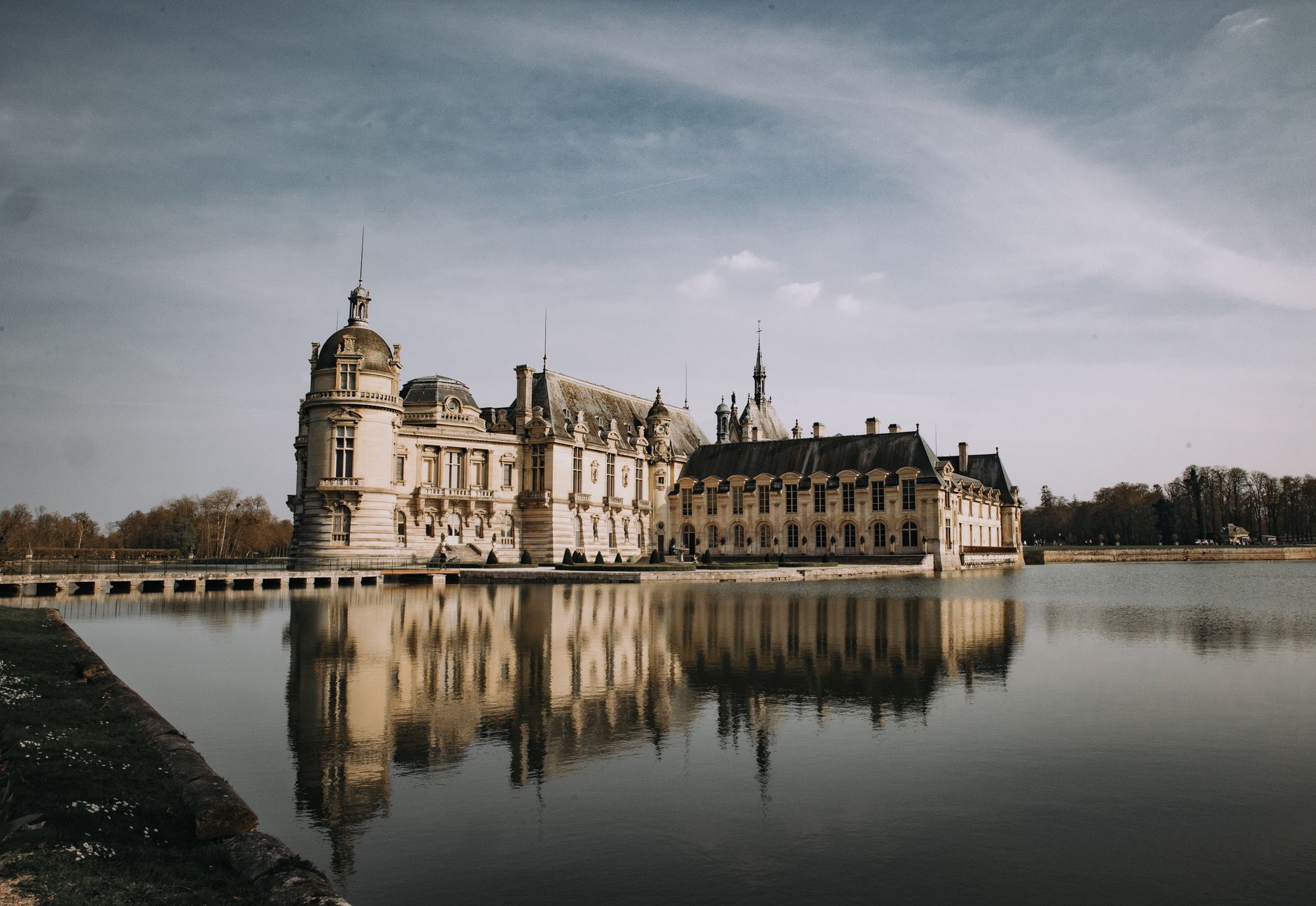
When to Go: The Ultimate Guide to the Best Time to Visit France
destinations