The Ultimate US Hot Springs Guide: From Wild Wilderness Soaks to Luxury Mineral Spas
Discover the finest geothermal escapes across America, blending ancient healing waters, rugged wilderness adventures, and restorative luxury.

Introduction to Geothermal Wonderlands
There is a primal, restorative magic in slipping into naturally heated mineral waters while crisp mountain air or desert wind brushes your face. Across the United States, geothermal activity has carved out sanctuaries of wellness that range from deeply rustic, backcountry mud pools to architecturally stunning wellness resorts. Whether you are planning a winter escape or seeking therapeutic relief after tackling rugged Adventure Trails, the nation's hot springs offer a profound connection to the earth's fiery core.
As you map out your geothermal itinerary, remember that every hot spring possesses a unique mineral fingerprint—some rich in sulfur and silica, others heavy with lithium and magnesium. To make the most of your journey, utilize our Voyage Roams Trip Planner to seamlessly weave these steaming oases into your next great American road trip.
1. The Wild Backcountry Soaks of Idaho and Montana
For the true wilderness seeker, the Northern Rockies deliver unrivaled solitude and rugged thermal bathing. Idaho alone boasts hundreds of natural springs, many hidden deep within national forests.
- Trail Creek Hot Springs (Idaho): Tucked inside the Boise National Forest, these rock-walled pools sit right beside a rushing creek, allowing you to regulate the water temperature by channeling in cold mountain water.
- Chico Hot Springs (Montana): If you prefer historic charm with your wilderness views, this 19th-century resort near Yellowstone offers open-air mineral pools alongside fine dining and live music.
Insider Pro-Tip: Backcountry hot springs are fragile ecosystems. Always pack out your trash, avoid using soaps or shampoos in the natural pools, and check local ranger reports for seasonal access closures and wildlife activity.
For a deeper dive into planning a multi-stop western expedition, consult our expert Tested Itinerary Plan.
2. Desert Luxury and Mineral Magic in California
When the winter chill sets in, California’s desert valleys become a haven for sun-seekers and wellness enthusiasts. The Coachella Valley and the Eastern Sierra are global epicenters for mineral soaking.
- Desert Hot Springs: Located just north of Palm Springs, this town sits atop a massive aquifer of natural hot mineral water. Resorts like The Spring Resort & Spa offer boutique luxury with unobstructed views of the San Jacinto Mountains.
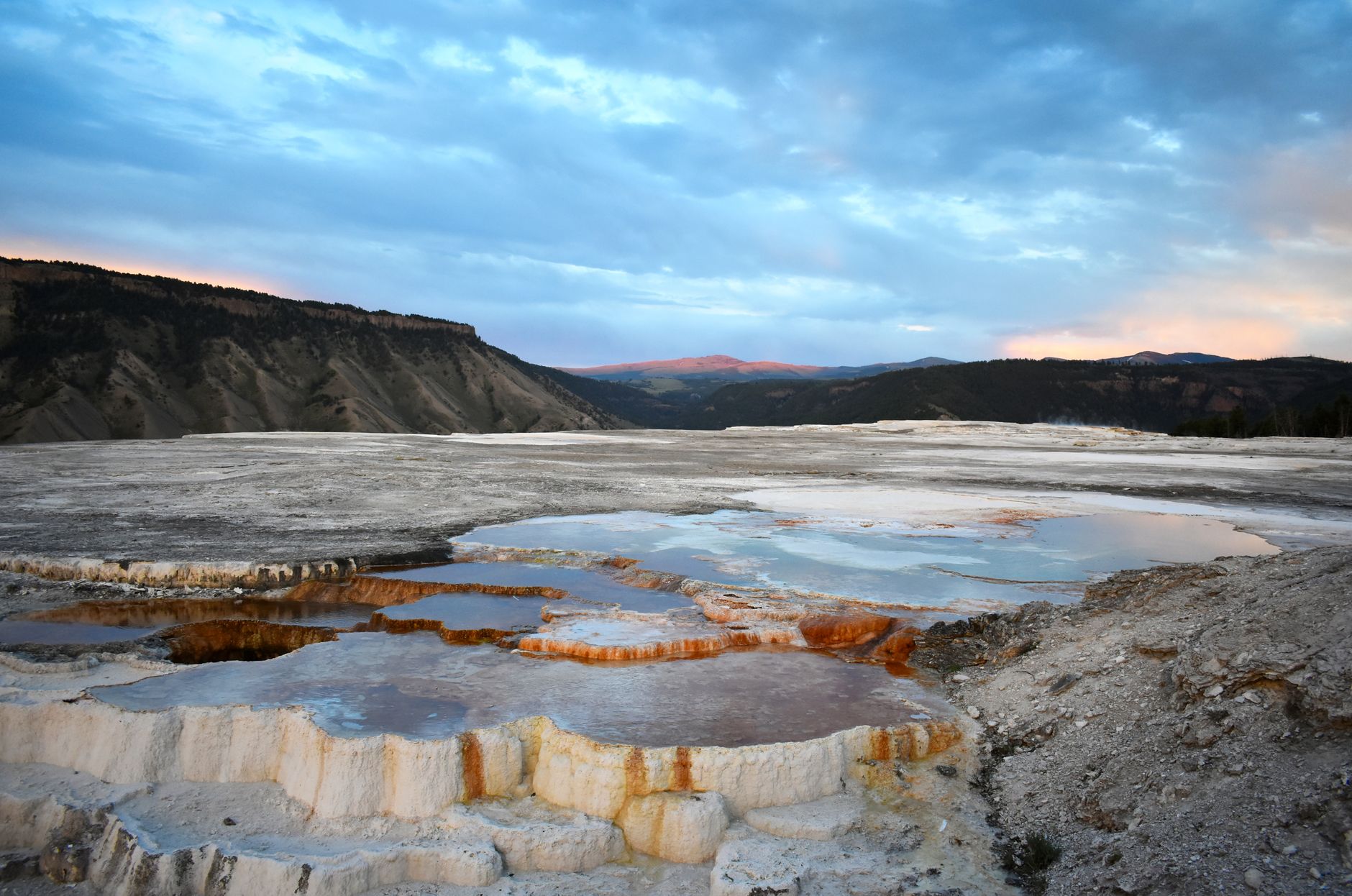
- Travertine Hot Springs (Bridgeport): Perched on a hillside overlooking the Mono County landscape, these terraced travertine pools offer panoramic views of the Sierra Nevada escarpment, making it one of the most photogenic sunset spots in the West.
3. Historic Soaking Culture in Arkansas and Colorado
Hot Springs National Park in Arkansas and the mountain sanctuaries of Colorado represent the historical heart of American spa culture.
- Bathhouse Row (Arkansas): Step back in time along Grand Avenue in Hot Springs, where opulent 20th-century bathhouses like Buckstaff and Quapaw still pump mineral water reaching 143°F (62°C). Read more about regional highlights in our Comprehensive Guide.
- Glenwood Hot Springs (Colorado): Home to the world's largest mineral hot springs pool, Glenwood Springs has drawn travelers seeking healing waters for over a century.
4. Budget Considerations and Packing Essentials
Visiting hot springs doesn't have to break the bank, though costs vary wildly between wild public pools and private resorts.
Budget Breakdown
- Wild/Public Springs: Free to $5 parking fee.
- Historic/Commercial Day-Use: $25 – $65 per person.
- Luxury Resort Soaking & Stay: $250 – $600+ per night.
What to Pack
- Dark-colored swimwear: Sulfur and heavy minerals can stain light-colored fabrics.
- Water shoes or sandals: Essential for navigating slick algae-covered rocks and rough terrain.
- Hydration pack: Soaking in high-heat mineral water causes rapid dehydration; aim to drink at least 16 ounces of water for every 30 minutes in the pool.
Traveler's FAQ & Practical Takeaways
Q: Are natural hot springs safe to submerge my head in?
A: It is strongly recommended to keep your head above water in natural, undeveloped geothermal pools. Warm, untreated freshwater environments can occasionally harbor harmful microorganisms like Naegleria fowleri. Stick to soaking from the neck down.
Q: When is the best time of year to visit US hot springs?
A: While winter offers the magical contrast of steaming water against falling snow, spring and autumn provide the most reliable access to backcountry trailheads without extreme weather hazards.
Ready to Turn This Story Into Your Next Adventure?
Save places to your custom wishlist or map out a step-by-step day plan with Voyage Roams.
Elena Vance
Elena travels the globe reporting on cultural heritage, street food trails, and budget exploration for Voyage Roams.
Planning a trip to United States?
Discover verified places to visit, neighborhood recommendations, seasonality charts, and tested budgets in our comprehensive United States portal.