Introduction to the Sacred City of the Itza
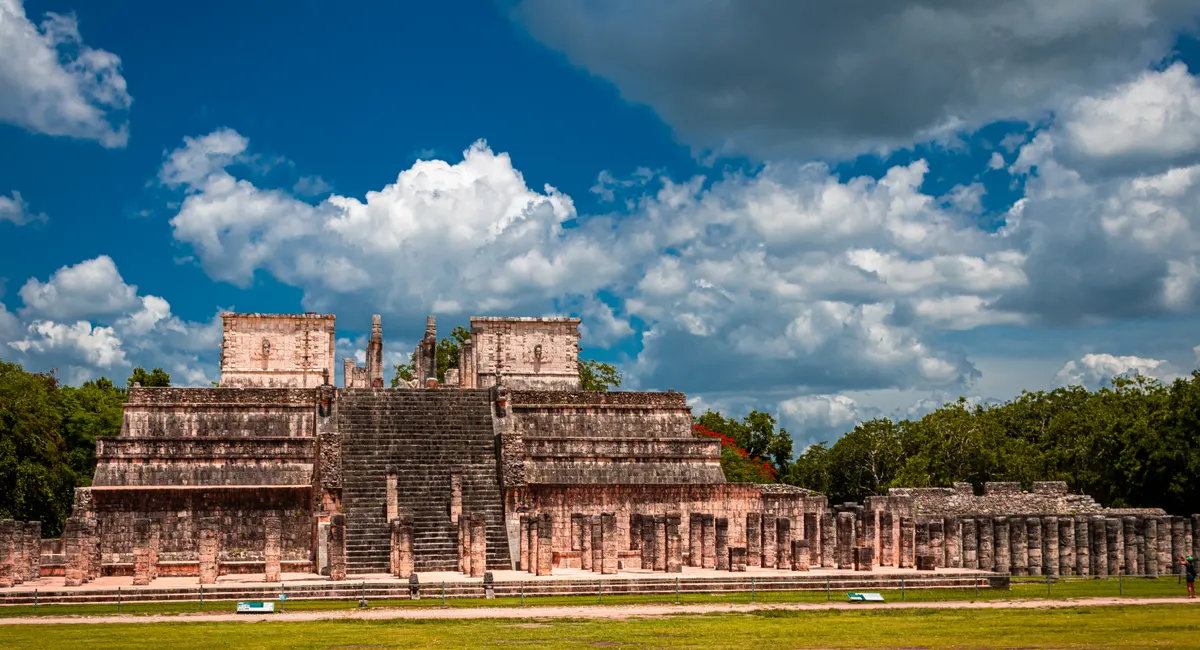
Rising from the dense emerald canopy of the Yucatán jungle, Chichen Itza stands as one of humanity’s most breathtaking architectural achievements. A sprawling pre-Columbian city built by the Maya civilization, this UNESCO World Heritage site and New Seven Wonder of the World commands the imagination. Walking its ancient limestone plazas is not merely a sightseeing excursion; it is a step back through a millennium of astronomical brilliance, political power, and sacred ritual.
Whether you are planning your first trip or returning to uncover deeper historical layers, preparing properly transforms the experience from a crowded tourist stop into a profound historical journey. For a broader overview of the region's top sights, dive into our Comprehensive Guide.
Decoding the Masterpieces: What Not to Miss
Chichen Itza is divided into distinct architectural groups, each serving unique ceremonial, administrative, or residential functions. To truly appreciate the site, focus your attention on these primary structures:
- El Castillo (The Pyramid of Kulkulkan): The undisputed icon of the site. Standing 30 meters high, this step pyramid is a massive 365-day solar calendar in stone. During the spring and autumn equinoxes, afternoon sun angles cast a serpentine shadow down the northern balustrade, slithering toward a carved stone serpent head.
- The Great Ball Court: The largest and best-preserved ball court in ancient Mesoamerica. Its acoustic properties are staggering—a single whisper at one end can be clearly heard 135 meters away at the other.
- El Caracol (The Observatory): A unique circular tower featuring precisely aligned window slits used by Maya astronomers to track the movements of Venus and other celestial bodies.
- The Sacred Cenote: A massive natural sinkhole where elite Maya once tossed precious jade, gold, and human offerings to appease the rain god, Chaac.
Cultural Pro-Tip: Hire an officially licensed guide right at the main entrance gate. Their deep narratives breathe life into the mute stone structures, explaining the complex interplay between Maya mythology and architectural engineering.
Timing Your Visit: Beating the Crowds and Heat
Success at Chichen Itza hinges almost entirely on timing. Because the site attracts thousands of visitors daily via tour buses from Cancun and Tulum, arriving mid-day guarantees sweltering heat and massive crowds.
- 1Be at the Gates Early: Arrive by 7:45 AM before the ticket booths open at 8:00 AM. This allows you to walk straight to El Castillo in relative solitude and capture pristine photographs without thousands of tourists in the background.
- 2Pacing Your Day: Spend your first 90 minutes exploring the Great North Platform (El Castillo, Ball Court, Temple of the Warriors) while the morning breeze is cool. Save the shadier, tree-lined paths toward the Southern Group for later in the morning.
- 3Consider Staying Overnight: Booking a hotel in the nearby colonial town of Valladolid allows you to reach the ruins within 40 minutes, easily beating the coastal tour buses.
Budget Breakdown and Practical Costs
Exploring Chichen Itza can fit into a variety of travel budgets, but understanding the dual-tier ticketing system is essential for accurate financial planning. For more money-saving tips across the region, explore our Budget Travel Guides.
- Admission Fees: Entrance is split into a federal INAH fee and a state Cultur fee. Total cost for international adult visitors is approximately 614 MXN (around $35–$40 USD).
- Official Tour Guides: Certified guides at the gate generally charge between 1,000 and 1,500 MXN ($60–$90 USD) for a private 2-hour tour.
- Transportation: Public ADO buses from Valladolid cost roughly 50–100 MXN each way, while a rental car from Cancun or Merida gives you ultimate flexibility.
- Food and Refreshments: Bring plenty of water. On-site snacks and drinks inside the archaeological zone are marked up, so budget around 200 MXN for a post-visit meal at a local cocina económica in nearby Piste.
Combining History with Adventure: Nearby Cenotes and Ruins
Chichen Itza is best experienced as part of a wider regional adventure. Once you finish exploring the archaeological zone by noon, cool off in one of the nearby Yucatán sinkholes.
- Cenote Ik Kil: Located just a few kilometers away, this stunning open-air sinkhole features cascading vines and deep blue waters.
- Cenote Suytun: Famous for its central stone walkway and subterranean light beam, perfect for unforgettable photography.
- Ek Balam: If you want a different archaeological perspective, head north to Ek Balam, where visitors are still permitted to climb the ancient acropolis for panoramic jungle views. Plan your route using the interactive Voyage Roams Trip Planner.
Traveler's FAQ & Practical Takeaways
- Can you still climb El Castillo? No. Climbing has been strictly prohibited since 2006 to preserve the delicate structure.
- Are drone cameras allowed? Drones are strictly forbidden inside the archaeological zone without a special commercial permit from INAH.
- What should I wear? Lightweight, breathable clothing, comfortable walking shoes, a wide-brimmed hat, and reef-safe sunscreen are absolute essentials.
- Can I pay with credit cards? While ticket windows accept cards, having cash (Mexican Pesos) is strongly recommended for artisan vendors, local parking lots, and smaller restaurants in the surrounding villages.