With more than 6,000 islands and islets scattered across the Aegean and Ionian Seas—of which over 200 are inhabited—Greece presents an embarrassment of riches. To the uninitiated, they might seem interchangeable: sun-bleached ruins, cobalt waters, and tavernas serving fresh octopus. But look closer, and you will find that each archipelago possesses its own distinct soul, culinary heritage, and geological drama.
Whether you are seeking the dramatic volcanic cliffs of Santorini, the lush pine forests of Corfu, or the slow-paced traditional life of the Lesser Cyclades, finding your ideal match requires a bit of strategic matchmaking. In this guide, we will break down the personality of each island chain, highlight hidden gems, and give you the practical tools to plan your dream Mediterranean escape.
Before you book your ferry tickets, explore our Comprehensive Guide to Greece to ground yourself in the mainland essentials, or map out your route with the interactive Voyage Roams Trip Planner.
1. Decoding the Archipelagos: The Six Island Groups
To begin your search, you must first understand the distinct "personalities" of the six primary island groups:
The Cyclades: The Postcard Ideal
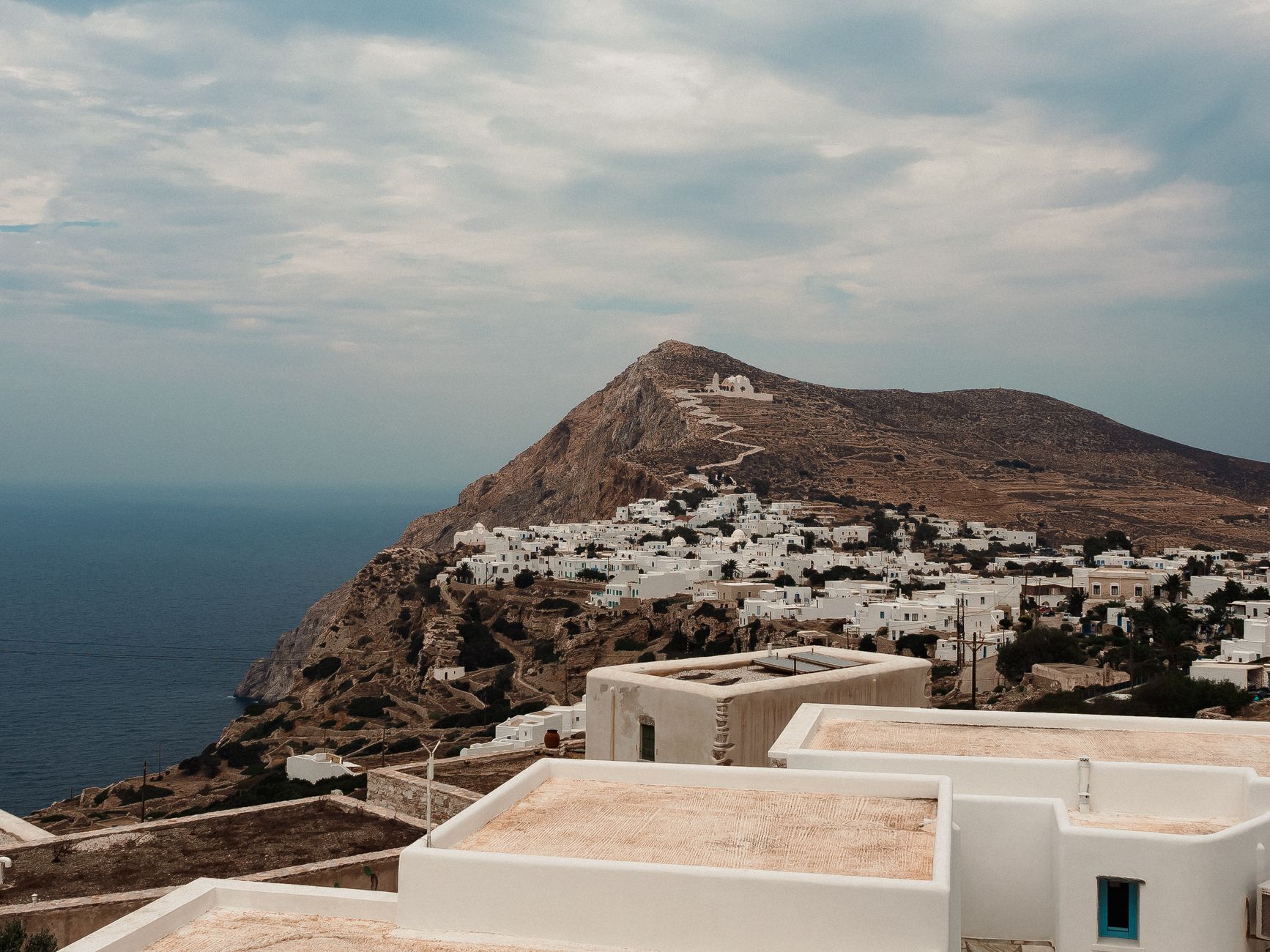
Characterized by barren, wind-swept landscapes, sugar-cube houses, and blue-domed churches, the Cyclades are what most people picture when they think of Greece. This is the home of heavyweights like Mykonos and Santorini, but also quieter sanctuaries like Milos, Paros, and Naxos.
The Ionians: The Venetian-Infused Eden
Located off the west coast of the mainland, the Ionian islands are a stark contrast to the dry Cyclades. Blessed with heavy winter rains, islands like Corfu, Paxos, Kefalonia, and Zakynthos boast dense pine forests, olive groves, and dramatic limestone cliffs plunging into impossibly turquoise waters. The architecture here reflects centuries of Venetian rule rather than Ottoman influence.
The Dodecanese: Where East Meets West
Hugging the coast of Turkey, the Dodecanese (including Rhodes, Kos, and Patmos) are steeped in medieval history. Here, Byzantine churches sit alongside Ottoman mosques and Crusader castles.
The Sporades: The Green and Blue Sanctuary
Thickly forested and largely tranquil, the Sporades (Skiathos, Skopelos, Alonissos) are an outdoor-lover's paradise. If Skopelos looks familiar, it’s because it served as the lush backdrop for the film Mamma Mia!.
The Saronic Gulf: The Cosmopolitan Escape
Closest to Athens, the Saronic islands (Hydra, Spetses, Aegina) are the historic weekend playgrounds of Athenian high society. Hydra, famously car-free, relies on donkeys and water taxis for transport.
Crete: The Continent in Miniature
Greece’s largest island is a destination unto itself. Crete offers dramatic gorges, snow-capped mountains, ancient Minoan palaces, and some of the country’s most distinct culinary traditions.
Insider Pro-Tip: If you are planning to visit multiple island groups, beware of ferry logistics. While hopping within an archipelago (like Paros to Naxos) is seamless, crossing between groups (like Santorini to Corfu) almost always requires a flight transition in Athens. Check out our Tested Itinerary Plan: Cyclades Island Hopping for a seamless route.
2. Matchmaking: Which Island Fits Your Travel Style?
The Romance Seekers & First-Timers
- Top Picks: Santorini, Milos, Folegandros
- The Vibe: Cliffside infinity pools, golden hour sunsets, and intimate dinners.
- The Experience: While Santorini’s caldera views are legendary, those seeking a quieter romance should target Folegandros. Its cliff-clinging Chora (main town) offers all the dramatic beauty of Oia without the cruise-ship crowds.
The History Buffs & Culture Enthusiasts
- Top Picks: Delos, Rhodes, Crete, Patmos
- The Vibe: Walking through living museums, ancient ruins, and medieval walled cities.
- The Experience: Explore the Palace of the Grand Master in Rhodes, or take a day trip from Mykonos to the sacred, uninhabited island of Delos, the mythological birthplace of Apollo and Artemis.
The Culinary Explorers
- Top Picks: Naxos, Sifnos, Crete
- The Vibe: Farm-to-table dining, local cheeses, slow-roasted meats, and volcanic wines.
- The Experience: Sifnos is widely regarded as the culinary capital of the Cyclades, birthplace of Nikolaos Tselementes (Greece’s first celebrity chef). Here, food is slow-cooked in clay pots (revithada) over wood fires. For more epicurean inspiration, browse our Food & Drink Highlights.
The Outdoor Adventurers & Beach Purists
- Top Picks: Karpathos, Lefkada, Milos, Alonissos
- The Vibe: Windsurfing, hiking ancient trails, scuba diving, and dramatic coastlines.
- The Experience: Lefkada offers world-class windsurfing and some of the most dramatic beaches in Europe (Porto Katsiki), while Alonissos hosts the National Marine Park, perfect for spotting the endangered Mediterranean monk seal.
3. Off the Beaten Path: Greece's Best-Kept Secrets
If you want to escape the digital nomad hubs and tourist traps, consider these lesser-known sanctuaries:
- Syros: The administrative capital of the Cyclades, yet incredibly authentic. Its main town, Ermoupoli, features grand neoclassical architecture rather than whitewashed cubes, and a thriving year-round cultural scene.
- Amorgos: The easternmost island of the Cyclades, famous for its dramatic cliffs and the breathtaking, whitewashed Monastery of Hozoviotissa, which clings precariously to a sheer cliff face 300 meters above the sea.
- Kastellorizo: Greece’s smallest inhabited island, located just 2 kilometers off the Turkish coast. It features pastel-colored mansions lining a quiet harbor and a spectacular Blue Grotto.
Cultural Etiquette: When visiting monasteries on islands like Amorgos or Patmos, cover your shoulders and knees. Most monasteries provide wrap-around skirts or towels at the entrance, but it is best to come prepared.
4. Navigating the Logistics: Ferries, Flights, and Timing
When to Go
- May to June & September to October (Shoulder Season): This is the sweet spot. The weather is warm, the sea is swimmable, prices are lower, and the crowds are manageable.
- July to August (High Season): Expect scorching temperatures, high prices, and the Meltemi—strong, dry north winds that blow across the Aegean, sometimes causing ferry delays.
- November to April (Off-Season): Many island hotels and restaurants close, and ferry schedules are heavily reduced. Stick to Crete, Corfu, or Syros for year-round life.
Ferry vs. Flight
For islands with airports (like Mykonos, Santorini, Crete, Corfu, and Rhodes), domestic flights from Athens take just 45 minutes. For others, the ferry is your lifeline.
- High-Speed Catamarans: Fast but bumpy in rough seas.
- Conventional Car Ferries (Blue Star): Slower, but incredibly stable, cheaper, and offer the romantic experience of standing on the deck watching islands drift by.
5. Budgeting for Paradise: Cost Breakdown
Greece can cater to backpackers and luxury travelers alike. To stretch your euros further, consult our Budget Travel Guides.
| Expense Category | Budget Traveler (e.g., Naxos, Milos) | Luxury Traveler (e.g., Mykonos, Santorini) |
|---|---|---|
| Double Room (Per Night) | €50 - €90 (Family-run pension) | €350 - €1,000+ (Caldera-view suite) |
| Daily Meals & Drinks | €25 - €40 (Gyros, local tavernas) | €120 - €300+ (Fine dining, beach clubs) |
| Local Transport | €2 (Public bus) or €15 (Scooter) | €80 - €150 (Private transfer or car rental) |
| Activities | Free (Beaches, hiking) | €150+ (Semi-private catamaran sunset cruise) |
6. Practical Takeaways & Traveler's FAQ
Is tap water safe to drink on the Greek islands?
On most smaller islands, water is scarce and imported via tankers, meaning tap water is brackish and best used only for showering and brushing teeth. Stick to bottled water or filtered water stations where available.
How do I get around once on an island?
Public buses (KTEL) are highly reliable and cheap on major islands during summer. For ultimate freedom, rent a scooter or an ATV—but ensure your home driver's license covers motorbikes, as Greek rental agencies strictly enforce international permits.
Can I visit multiple islands in one week?
We recommend a maximum of two islands per week. Trying to cram in more results in spending more time packing, checking out, and waiting at ferry ports than actually enjoying the destination.
Summary Checklist for Your Perfect Island Search:
- 1Identify your priority: Is it beaches, history, nightlife, or food?
- 2Check the ferry routes: Ensure your chosen islands are on the same ferry line.
- 3Secure transit early: Book high-season ferry tickets and flights at least 3-4 months in advance.
- 4Pack light: Dragging heavy luggage up steep, cobbled island steps is a rite of passage you want to avoid.