First Timer's Guide to Palau: The Ultimate Micronesian Paradise
Dive into turquoise lagoons, ancient rock islands, and world-class marine sanctuaries with our definitive guide for first-time visitors to Palau.

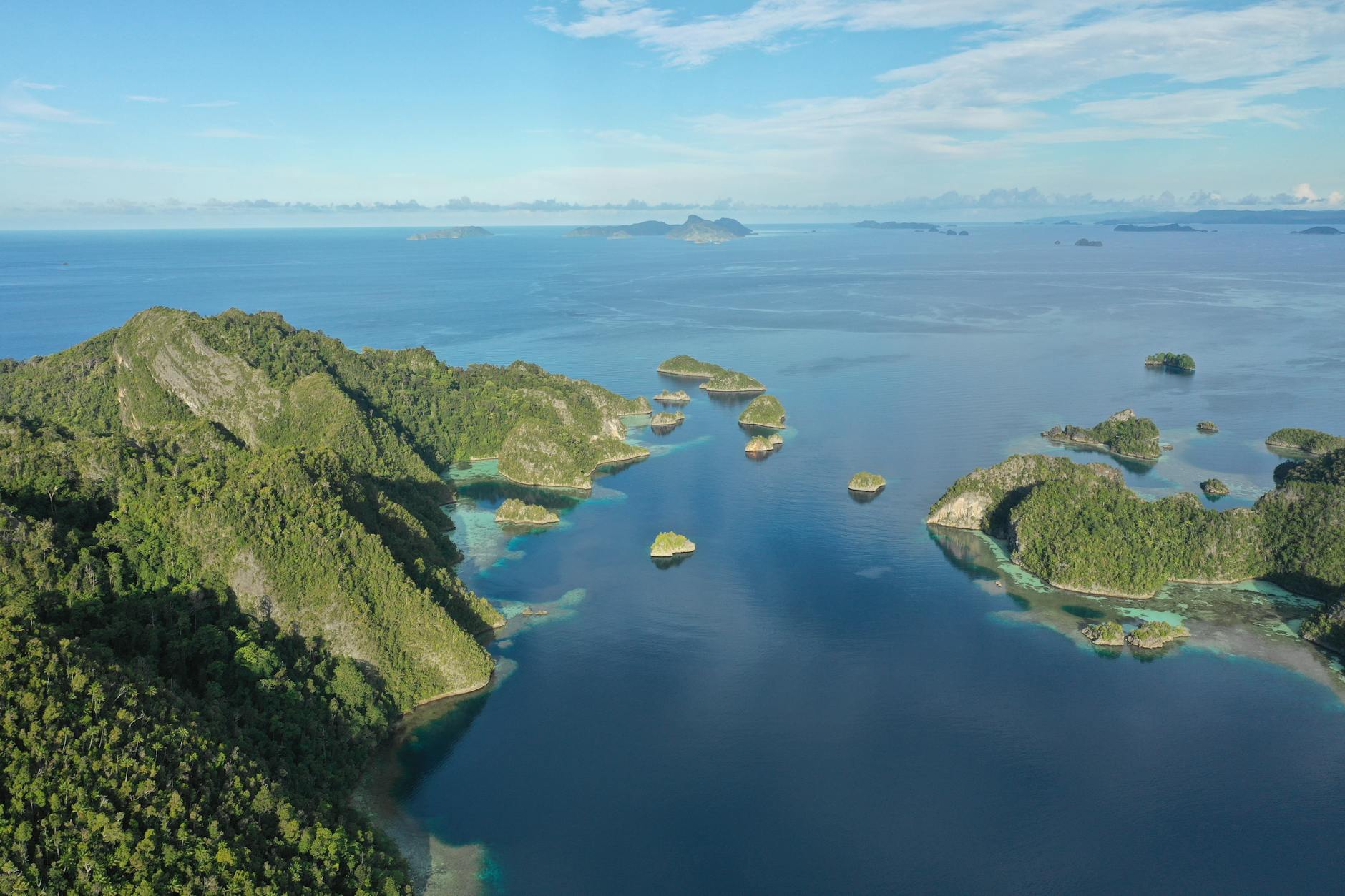
Introduction to Palau's Pristine Waters
Rising from the azure depths of the western Pacific, the Republic of Palau is a sovereign archipelago of over 300 limestone islands that represent the pinnacle of tropical biodiversity. For scuba divers, snorkelers, and eco-conscious travelers, this remote Micronesian nation is nothing short of sacred ground. Whether you are charting a course through our Comprehensive Guide or mapping out your days with a Tested Itinerary Plan, preparing for a trip here requires an appreciation of both its fragile marine ecosystems and its deeply rooted indigenous traditions.
Palau is perhaps most famous for the Rock Islands Southern Lagoon, a UNESCO World Heritage site characterized by mushroom-shaped green islets draped over incandescent turquoise shallows. But beyond the postcard-perfect vistas lies a culture that pioneered modern marine conservation, famously asking every visitor to sign the 'Palau Pledge' stamped directly into their passports upon arrival.
Best Time to Visit and Weather Patterns
Straddling the equator, Palau enjoys a warm, tropical climate year-round, with average temperatures hovering around 28°C to 32°C (82°F to 90°F). However, planning your journey depends heavily on seasonal wind and rain shifts:
- Dry Season (December to April): Generally considered the peak time to visit. Seas are calmer, visibility is at its absolute peak (often exceeding 100 feet), and pelagic marine life is exceptionally active. This period aligns with our top recommendations for Adventure Trails and deep-sea diving.
- Green Season (May to November): Characterized by tropical rain showers, which are usually brief afternoon downpours rather than all-day washouts. The upside? Fewer crowds, lush jungle foliage, and manta ray mating seasons in channels like German Channel.
Cultural Pro-Tip: Always respect Bul—a traditional system of marine and terrestrial moratoriums declared by traditional chiefs. If an area is placed under Bul, it is strictly off-limits to fishing and tourism to allow the ecosystem to recover.
Must-See Attractions and Underwater Wonders
No trip to Palau is complete without immersing yourself in its legendary marine environments. The underwater topography ranges from vertical drop-offs to sheltered coral gardens.
1. Jellyfish Lake (Ongeim'l Tketau)
One of Palau's most iconic experiences involves swimming in a marine lake populated by millions of golden jellyfish that have lost their stinging ability over millennia of evolution. Access requires a specific permit and a short, steep jungle hike.
2. Blue Corner and German Channel
Renowned globally as premier dive sites, Blue Corner offers exhilarating drift dives alongside reef sharks, barracudas, and eagle rays, while German Channel acts as a cleaning station for majestic oceanic manta rays.
3. The Milky Way
Located in a secluded cove of the Rock Islands, this spot features white, mineral-rich limestone mud. Slathering yourself in the therapeutic mud is said to take ten years off your skin.
For help organizing these disparate island excursions into a seamless journey, make sure to use the interactive Voyage Roams Trip Planner.
Navigating Local Cuisine and Island Flavors
Palauan cuisine is a fascinating fusion of indigenous Micronesian staples, Japanese influences, and Southeast Asian flavors. Fresh seafood is the undisputed star of every menu.
- Fresh Catch: Parrotfish, mangrove snapper, and tuna are prepared simply—either grilled over an open flame or simmered in rich coconut milk.
- Taro and Cassava: Traditional starch staples that accompany nearly every local meal, often cultivated in freshwater wetland patches.
- Japanese Influence: Due to historical ties, you will find exceptional bento boxes, sashimi, and fresh sushi platters across Koror restaurants.
To dive deeper into the archipelago's culinary traditions, explore our curated Food & Drink Highlights section.
Budgeting and Practical Costs
Palau is an exclusive, remote destination, meaning it generally leans toward mid-range to luxury budgets. However, mindful travelers can still experience its wonders without breaking the bank by utilizing our Budget Travel Guides.
- Permits: Expect to pay environmental fees, such as the mandatory Rock Islands Southern Lagoon Permit (approx. $50 USD) and the Pristine Paradise Environmental Fee (PPEF).
- Accommodation: Ranging from $80/night for clean guesthouses in Koror to upwards of $500+/night for secluded eco-resorts.
- Diving & Tours: Guided two-tank boat dives typically range from $160 to $220 USD per day, including gear rental.
Traveler's FAQ and Practical Takeaways
- Do I need a visa? Most nationalities receive a 30-day tourist visa upon arrival, provided you hold a passport valid for at least six months and a return ticket.
- What currency is used? Palau uses the United States Dollar (USD). Credit cards are accepted at major hotels and dive shops in Koror, but carry cash for outer islands and local markets.
- Is reef-safe sunscreen mandatory? Yes! Palau was the first country to ban toxic sunscreens. Bring certified reef-safe mineral sunscreen or purchase it locally to protect the coral reefs.
Ready to Turn This Story Into Your Next Adventure?
Save places to your custom wishlist or map out a step-by-step day plan with Voyage Roams.
Elena Vance
Elena travels the globe reporting on cultural heritage, street food trails, and budget exploration for Voyage Roams.
Related Stories & Guides
 destinations
The Ultimate Guide to Train Travel in Canada: Scenic Routes & Practical Tips
 destinations
When to Go: The Ultimate Guide to the Best Time to Visit Yellowstone
 destinations