The Ultimate Guide to Japanese Onsen: Etiquette, Best Towns, and Hidden Springs
Master the sacred rituals, discover secret thermal waters, and plan your perfect soak in Japan's volcanic heartland.


The Way of the Water: Understanding Japan's Onsen Culture
To step into a Japanese onsen (natural hot spring) is to step into the very soul of the archipelago. For millennia, the volcanic activity bubbling beneath Japan’s mountainous spine has fueled thousands of mineral-rich thermal springs. More than just a place to wash, the onsen is a spiritual sanctuary, a social equalizer, and a therapeutic ritual known as toji (hot spring cure).
Unlike standard public baths (sento), which use heated tap water, a true onsen must contain geothermally heated water sourcing from underground, rich in at least one of 19 specific mineral components, and register at a temperature of at least 25°C (77°F). To understand this deeply meditative practice, check out our broader index of Japan Cultural Experiences.
Cultural Pro-Tip: The concept of hadaka no tsukiai (naked association) is central to onsen culture. In the bath, all social barriers—class, wealth, and status—are stripped away alongside your clothes, fostering an environment of absolute equality and mutual respect.
The Sacred Ritual: Step-by-Step Onsen Etiquette
For first-time international travelers, the prospect of entering a traditional Japanese hot spring can be accompanied by a wave of anxiety. The rules are strict, but they are rooted in hygiene, mindfulness, and respect for others. Follow this step-by-step guide to soak like a seasoned local.
1. Entering the Facility
Remove your outdoor shoes at the entrance (genkan) and place them in the provided lockers. Switch to the slippers provided by the facility. If you are staying overnight at an onsen resort (ryokan), you will likely change into a yukata (light cotton kimono) provided in your room.
2. The Changing Room (Datsuijo)
Pass through the split curtains (noren)—usually blue or with the kanji 男 (men) and red or with the kanji 女 (women). Once inside, strip down completely. No swimwear, underwear, or shoes are permitted past this point. Place all your belongings, including your large bath towel, into a basket or locker.
3. The Modesty Towel
You are allowed to bring a small hand towel (tenugui) into the bathing area. This is used for washing and to dry off slightly before returning to the changing room. However, this towel must never touch the communal bath water. Most bathers fold it and place it on top of their head while soaking.
4. The Wash Station
Before even dipping a toe into the hot spring, you must wash thoroughly. Sit on one of the small plastic stools at the wash stations. Use the provided soap, shampoo, and hand-held shower head to scrub your entire body. Rinse off all soap completely before entering the water.
5. The Soak
Slowly ease yourself into the bath. Do not splash, dive, or swim. Keep your voice down to preserve the tranquil atmosphere.
6. The Exit
Do not rinse off with tap water after your soak unless you have highly sensitive skin; the mineral residue left on your body is therapeutic. Use your small modesty towel to wipe excess water off your body before stepping back onto the woven tatami mats of the changing room.
Handling the Tattoo Taboo
Historically, tattoos have been associated with the yakuza (Japanese organized crime), leading to a blanket ban on inked bathers at most traditional onsen. However, things are shifting. To find welcoming facilities or learn how to cover small tattoos with waterproof flesh-colored tape, consult our Comprehensive Japan Guide.
Japan’s Premier Onsen Destinations
While hot springs can be found in virtually every corner of the country, certain historic towns are built entirely around the thermal waters. Here are four bucket-list locations to include on your next trip:
1. Kinosaki Onsen (Hyogo Prefecture)
Located in the Kansai region, Kinosaki is the quintessential onsen town. A willow-lined canal winds through the center, framed by traditional wooden ryokan. Visitors dress in yukata and wooden geta clogs, hopping between the town's seven public bathhouses (sotoyu). It is easily accessible via train from Kyoto or Osaka.
2. Kurokawa Onsen (Kyushu)
Nestled in a forested valley near Mount Aso, Kurokawa has resisted modern high-rise development. The town maintains a highly atmospheric, rustic aesthetic. By purchasing a tegata (wooden pass), you can sample three different outdoor baths (rotenburo) throughout the village.
3. Noboribetsu Onsen (Hokkaido)
Hokkaido’s most famous hot spring resort is fed by Jigokudani (Hell Valley), a dramatic volcanic crater of boiling sulfur springs and steam vents. Noboribetsu offers an extraordinary variety of water types, including sulfur, salt, and iron-rich pools, each targeting different physical ailments.
4. Hakone (Kanagawa Prefecture)
For those short on time, Hakone offers an accessible escape just 90 minutes from Tokyo. Here, you can soak in open-air baths with stunning views of Mount Fuji on a clear day. Discover how to seamlessly weave this stop into a broader travel plan with our Tested Itinerary Plan for Japan.
Decoding the Waters: Onsen Mineral Profiles (Senshitsu)
Not all onsen water is created equal. The therapeutic benefits of a bath depend entirely on its chemical composition. The Japanese Ministry of the Environment classifies onsen into several distinct therapeutic categories:
- *Sulfur Springs (Iou-sen):* Recognizable by their distinct "rotten egg" aroma. These milky-white waters are highly effective for skin diseases, joint pain, and clearing up blemishes.
- *Alkaline Simple Springs (Tanjun-onsen):* Clear, odorless, and gentle on the skin. Known as "baths of beautiful skin," they help exfoliate and leave your skin feeling silky smooth.
- *Iron Springs (Tetsu-sen):* These waters turn a rusty red or golden-brown color when exposed to oxygen. They are highly sought after by those looking to combat fatigue and anemia.
- *Hydrogen Carbonate Springs (Tansan-sen):* Carbonated waters that form tiny bubbles on your skin. They improve circulation and naturally cool the body down, making them highly refreshing in summer.
Budgeting for Your Onsen Experience
An onsen experience can range from a budget-friendly afternoon stop to an ultra-luxurious weekend getaway. Here is what you can expect to pay across different tiers:
| Experience Type | Estimated Cost (JPY) | What's Included |
|---|---|---|
| Sento / Public Bath | ¥500 - ¥1,000 ($3 - $7 USD) | Entry to basic communal indoor pools; bring your own toiletries/towels. |
| *Day-Use Onsen (Higaeri)* | ¥1,000 - ¥2,500 ($7 - $17 USD) | Entry to premium outdoor pools (rotenburo) at a ryokan during daytime hours. |
| Mid-Range Ryokan Stay | ¥15,000 - ¥30,000 ($100 - $200 USD) | Overnight stay, access to multiple baths, traditional multi-course dinner (kaiseki), and breakfast. |
| Luxury Private Onsen Ryokan | ¥45,000 - ¥90,000+ ($300 - $600+ USD) | Ultra-premium room with a private open-air hot spring bath attached, award-winning cuisine. |
For more savvy ways to stretch your yen without sacrificing authentic experiences, explore our Budget Travel Guides.
Traveler's FAQ & Practical Takeaways
Can I wear waterproof bandages over my tattoos?
Yes, many modern onsen will allow you to enter if your tattoos can be completely covered by flesh-colored waterproof stickers (available at convenience stores or pharmacies in Japan). If you have large, full-body tattoos, your best option is to rent a kashikiri (private family bath) or book a ryokan room with a private attached onsen.
What should I do if I start feeling lightheaded?
Onsen waters are incredibly hot, often hovering between 40°C and 44°C (104°F - 111°F). Do not stay submerged for more than 15 minutes at a time. Take breaks by sitting on the edge of the bath, and drink plenty of water from the cooling stations located in the changing rooms.
Are there mixed-gender baths?
Mixed-gender baths (kounyoku) do exist, particularly in remote, rural areas or historic mountain springs. However, they are becoming increasingly rare. Most modern onsen are strictly segregated by gender.
How do I start building my custom onsen route?
If you want to seamlessly map out a journey through Japan's thermal valleys, use the Voyage Roams Trip Planner to customize your route, calculate train transfers, and secure bookings at historic ryokan.
Ready to Turn This Story Into Your Next Adventure?
Save places to your custom wishlist or map out a step-by-step day plan with Voyage Roams.
Elena Vance
Elena travels the globe reporting on cultural heritage, street food trails, and budget exploration for Voyage Roams.
Planning a trip to Japan?
Discover verified places to visit, neighborhood recommendations, seasonality charts, and tested budgets in our comprehensive Japan portal.
Recommended Itineraries
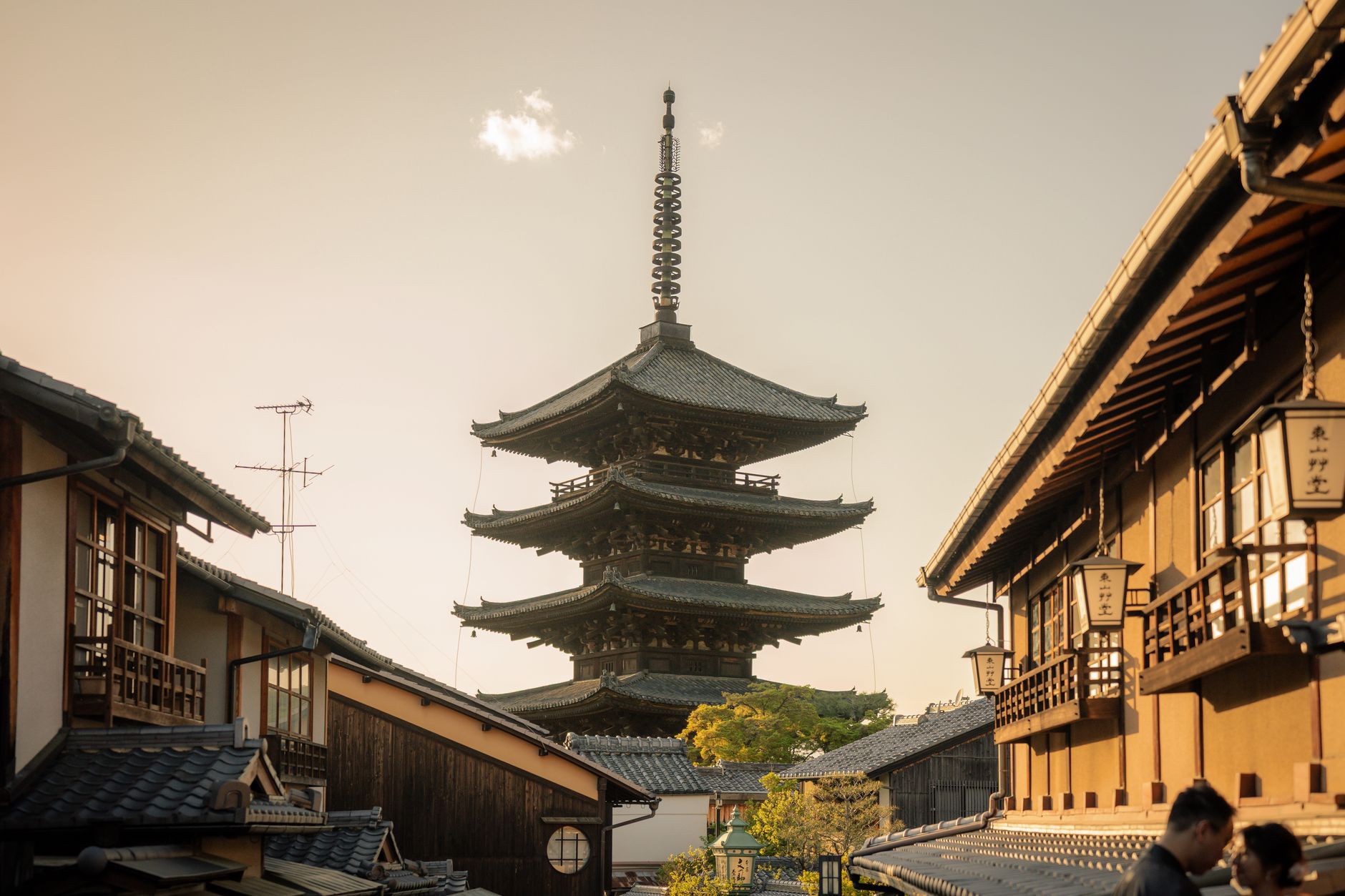
7 Days in Classic Japan: Tokyo & Kyoto
Immerse yourself in the captivating contrast of Japan, blending futuristic neon-lit skylines in Tokyo with the timeless, serene temples and wooden machiya houses of historic Kyoto.

7 Days in Classic Japan: Tokyo Neon & Kyoto Heritage
The essential first-timer itinerary connecting Japan’s electrifying metropolis of Tokyo with the timeless shrines, bamboo groves, and geisha districts of Kyoto aboard the high-speed Shinkansen.