Seville Authentic Local Gems Guide: Beyond the Monuments
Trade the tourist trails for neighborhood tabernas, hidden courtyards, and centuries-old artisan workshops in Andalusia's beating heart.

Introduction: The Undiscovered Soul of Andalusia
While the sprawling Gothic grandeur of the Seville Cathedral and the royal splendor of the Real Alcázar deservedly anchor every first-time visitor's itinerary, the true magic of Andalusia's capital lies in the labyrinthine alleys of neighborhoods like Triana and Macarena. To truly understand this sun-baked southern metropolis, you must look past the flamenco dinner shows marketed to tour buses and seek out the neighborhood tertulias—informal gatherings where locals debate politics and poetry over a crisp glass of manzanilla.
Whether you are planning your escape using the Voyage Roams Trip Planner or mapping out a Tested Itinerary Plan, this guide dives deep into the authentic local gems that tourists often miss.
1. Triana: The Ceramic Heart and Soul
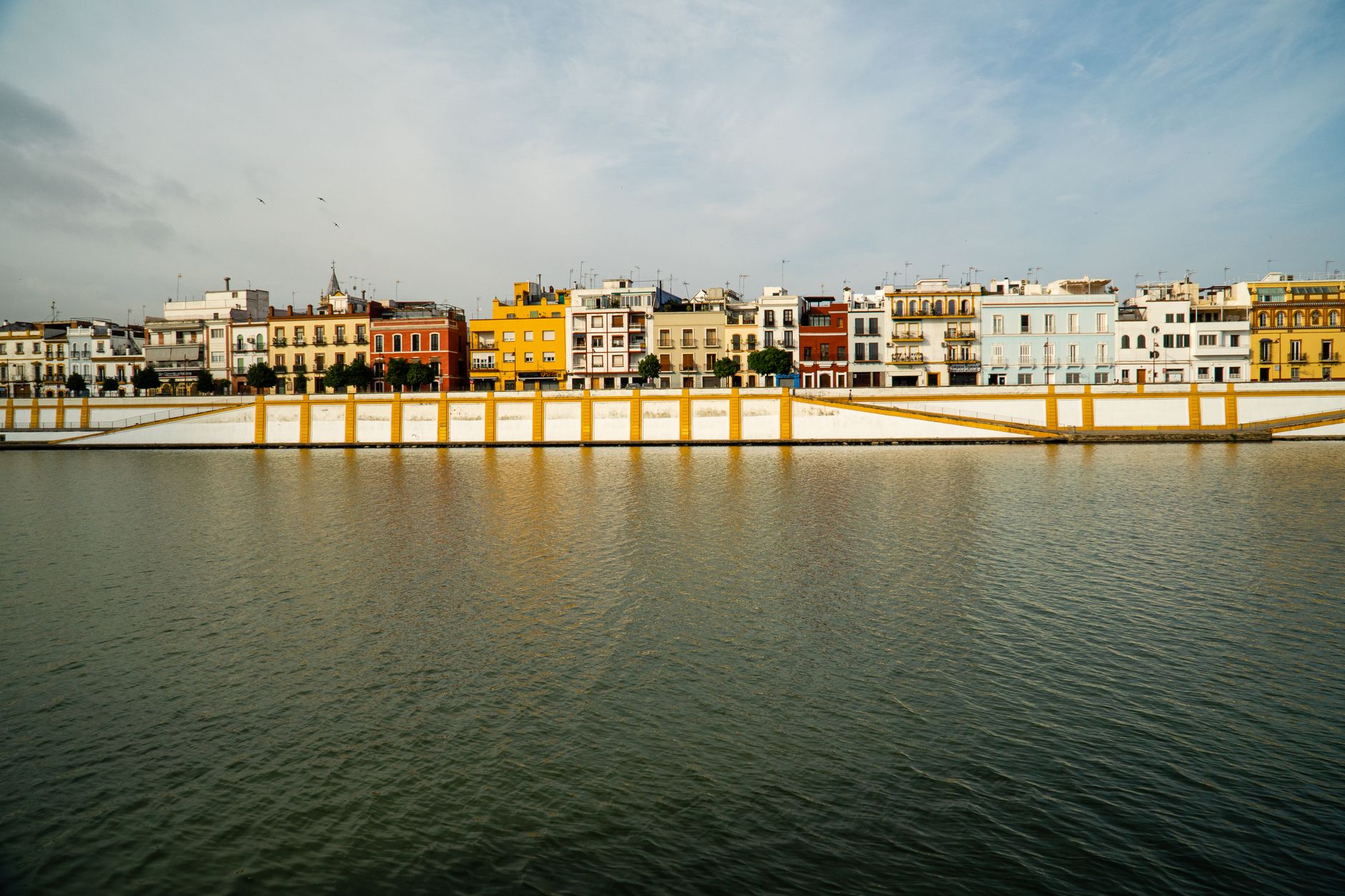
Cross the Isabel II Bridge over the Guadalquivir River, and you enter Triana—a neighborhood with a fierce, independent identity distinct from the rest of Seville. Historically the home of sailors, gypsies, and tile makers, Triana remains the spiritual capital of traditional pottery and authentic flamenco.
Instead of rushing to a commercial tablao, wander down Calle Alfarería (Pottery Street). Here, multi-generational workshops like Cerámica Santa Ana still hand-paint azulejos using techniques passed down through centuries.
Cultural Pro-Tip: Visit the Mercado de Triana early in the morning. Beneath this bustling food market lie the excavated remains of San Jorge Castle, the former headquarters of the Spanish Inquisition—a haunting, lesser-known historical site.
For more culinary inspiration across the region, explore our curated Food & Drink Highlights.
2. Neighborhood Tapas: Where Locals Eat and Drink
Forget English menus and photo displays. Authentic Sevillian tapas culture is standing room only, noisy, and deeply communal. The golden rule is simple: if paper napkins aren't littering the floor, you're in the wrong place.
- Bodega Santa Cruz (Las Columnas): Located near the Santa Cruz quarter, this bustling hole-in-the-wall serves legendary fried fish and sweet vermouth. Bills are literally chalked onto the wooden bar top by the barmen.
- Casa Morales: Operating since 1850 in the El Arenal district, step inside to drink wine poured directly from towering clay amphorae framed by ancient wooden sherry casks.
- Bar Alfalfa: A bohemian corner spot near Plaza de la Alfalfa where the chalkboard menu features inventive daily specials alongside classic Spanish cheeses.
3. Secret Mudéjar Courtyards and Quiet Cloisters
Seville's architectural heritage is a stunning synthesis of Christian and Islamic design known as Mudéjar. While the Alcázar draws massive crowds, you can experience the same serene, tile-lined architectural poetry in quieter corners of the city.
Seek out the Hospital de los Venerables, a magnificent 17th-century baroque hospital for elderly priests located in the heart of the Santa Cruz neighborhood. Its central courtyard features classic Andalusian arches and stunning Velázquez-esque tranquility.
For budget-conscious explorers looking to uncover these hidden corners without breaking the bank, check out our expert Budget Travel Guides for smart ways to navigate southern Spain.
4. Artisan Workshops of the Macarena District
North of the historic center, the working-class Macarena district offers a raw, unfiltered slice of contemporary Sevillian life. Far from the luxury boutiques of Calle Sierpes, Macarena is where local artisans craft the intricate gold-thread embroidery and wooden religious floats (pasos) used during the legendary Semana Santa processions.
Walk along Calle San Luis to admire neglected baroque churches like San Luis de los Franceses—often called the hidden jewel of Sevillian baroque architecture due to its breathtaking, gold-leaf domed interior that sees a fraction of the cathedral's foot traffic.
5. Sunset Rituals Along the Guadalquivir
When the Andalusian afternoon heat finally breaks, join the locals for the evening paseo (stroll). Skip the crowded riverwalks and head to the promenade near the Puente del Alamillo or relax on the steps of the Moorish-era Torre del Oro, watching rowers glide across the water as the golden hour illuminates the city's skyline.
Traveler's FAQ & Practical Takeaways
- When is the best time to visit? Spring (March to May) brings the vibrant Feria de Abril and ideal weather, but autumn (October to November) offers fewer crowds and pleasant temperatures.
- How should I get around? Seville is exceptionally flat and compact. The best way to explore local gems is on foot or by renting a bike through the city's extensive SEVASA system.
- What about tipping? Tipping is not obligatory, but leaving loose change or 5-10% for exceptional service in local tapas bars is greatly appreciated.
Ready to Turn This Story Into Your Next Adventure?
Save places to your custom wishlist or map out a step-by-step day plan with Voyage Roams.
Elena Vance
Elena travels the globe reporting on cultural heritage, street food trails, and budget exploration for Voyage Roams.