The Ultimate Tokyo Neighborhoods Guide: Where to Stay and Explore
From neon-lit cyberpunk alleys to tranquil temple sanctuaries, decode Japan's sprawling metropolis with our expert district-by-district breakdown.

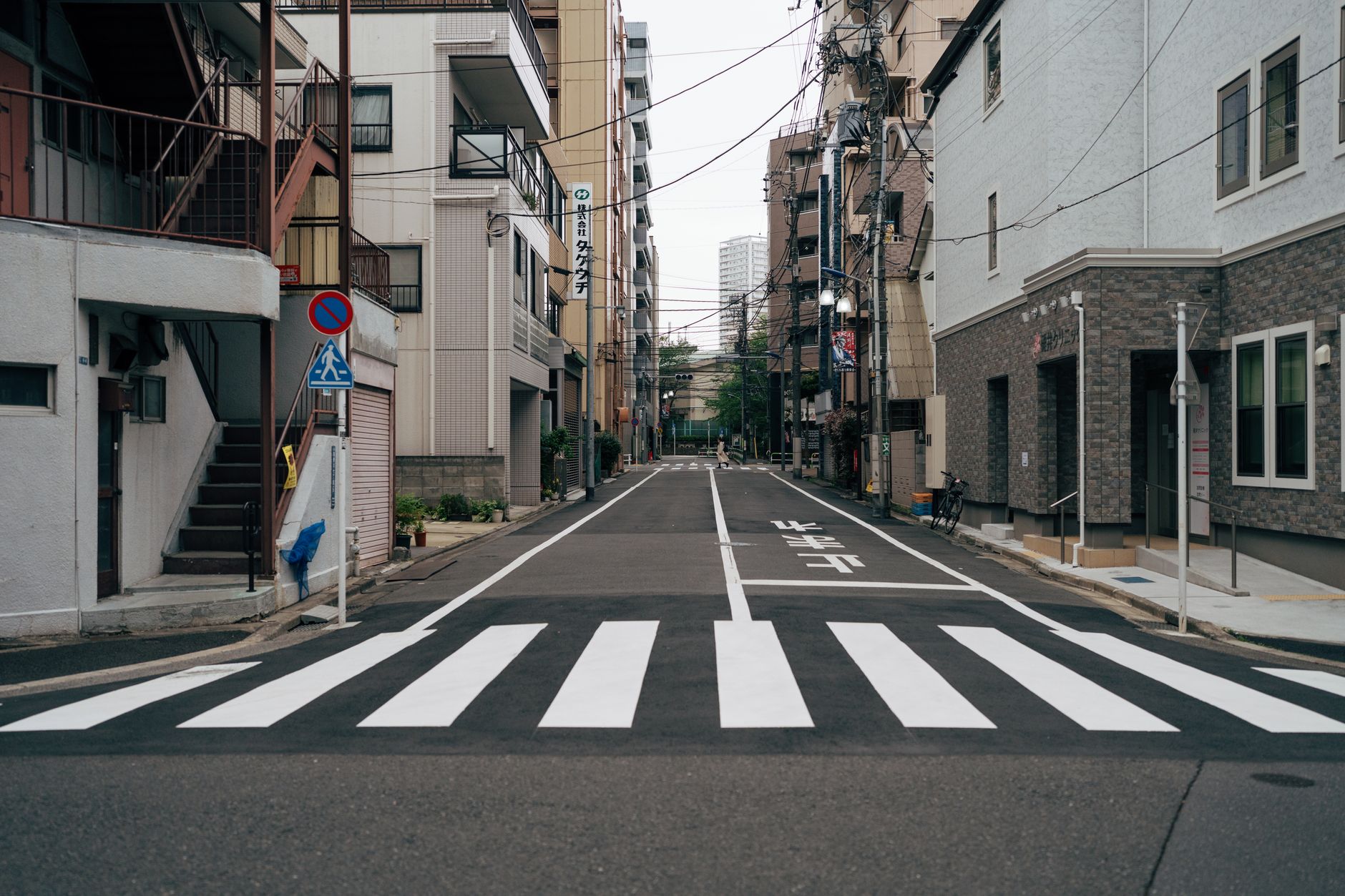
Tokyo is not a single city, but rather a colossal mosaic of distinct urban villages, each with its own heartbeat, aesthetic, and subculture. Navigating this sprawling metropolis requires more than a metro map; it demands an understanding of how these hyper-localized neighborhoods shift from serene morning shrines to neon-drenched nightscapes. Whether you are planning your first visit using our Comprehensive Guide or mapping out a custom route with the Voyage Roams Trip Planner, this guide decodes Tokyo's most compelling districts.
Shinjuku: The Neon Labyrinth and Vertical City
Shinjuku is a sensory overload in the best possible way. Anchored by the world's busiest railway station, this district balances corporate skyscrapers with chaotic nightlife hubs.
- Kabukicho: Known as the neon-lit entertainment district, offering late-night ramen, capsule hotels, and vibrant izakayas.
- Omoide Yokocho (Memory Lane): A web of narrow alleys just west of the station where tiny yakitori stalls grill skewers over binchotan charcoal, evoking a 1950s Showa-era charm.
- Shinjuku Gyoen National Garden: A tranquil counterpoint to the urban rush, featuring traditional Japanese landscape gardens, a greenhouse, and some of the city's finest cherry blossoms.
Cultural Pro-Tip: When exploring the micro-bars of Golden Gai, look for establishments with a small cover charge (chage). It usually includes a tiny welcome snack (otoshi) and grants you access to intimate, six-seat bars where local bartenders share stories until dawn.
Shibuya: Youth Culture, Scramble Crossings, and Trendsetting Eats
Shibuya is the epicenter of Tokyo's youth culture, fashion, and relentless innovation. The iconic Shibuya Scramble Crossing is a must-see, but the neighborhood's true magic lies in the winding side streets radiating outward.
For culinary inspiration, dive into our curated Food & Drink Highlights to find the best matcha cafes and hidden omakase counters tucked away near Cat Street. Shibuya seamlessly bridges high-end luxury shopping in Omotesando with the grungy, vintage-centric alleyways of Ura-Harajuku.
Asakusa: Old Tokyo's Timeless Soul
If Shinjuku represents the future, Asakusa preserves the past. As the historic heart of Shitamachi (low city), this riverside district retains the atmospheric charm of the Edo period.
- Senso-ji Temple: Tokyo's oldest Buddhist temple, guarded by the iconic Kaminarimon (Thunder Gate) and its massive red paper lantern.
- Nakamise-dori: A centuries-old shopping street leading up to the temple, lined with vendors selling traditional snacks likeningyo-yaki (sweet bean cakes) and hand-crafted souvenirs.
- Sumida River Cruises: Step aboard a futuristic water bus for a scenic cruise toward Odaiba, offering a unique perspective of Tokyo's bridges and skyline.
Shimokitazawa: The Bohemian Thrift Haven
Just a short train ride from Shibuya lies Shimokitazawa, affectionately known as 'Shimokita.' This is Tokyo's indie stronghold—a laid-back labyrinth of vintage clothing boutiques, independent record shops, specialized coffee roasters, and bohemian cafes.
Secret Spot: Duck into the basement vinyl dens tucked behind the railway tracks to unearth rare Japanese city-pop records from the 1980s.
Unlike the polished towers of Ginza, Shimokita's low-rise architecture and pedestrian-only lanes invite slow exploration. It is a favorite haunt for local artists, musicians, and travelers seeking a slower, more authentic neighborhood vibe.
Roppongi and Nakameguro: Art, Design, and Canal-Side Strolls
For art lovers and design enthusiasts, Roppongi anchors the city's contemporary gallery scene with the Mori Art Museum and the National Art Center. Yet, just a short walk away, the atmosphere shifts dramatically.
Head toward Nakameguro along the Meguro River. Famous for its breathtaking cherry blossom tunnels in spring, this canal-side neighborhood buzzes year-round with artisanal bakeries, concept design stores, and specialty sake bars.
Practical Traveler's Takeaways
- Getting Around: Purchase an IC card (Suica or Pasmo) immediately upon arrival for seamless transit on trains, subways, and buses.
- Connectivity: Rent a pocket Wi-Fi device or set up an eSIM at the airport to navigate Tokyo's intricate street layouts without data anxiety.
- Cash vs. Card: While major department stores accept credit cards, many neighborhood izakayas, market stalls, and temple ticket booths remain strictly cash-only.
- Itinerary Planning: To seamlessly string these neighborhoods together into a balanced multi-day adventure, consult our Tested Itinerary Plan.
Ready to Turn This Story Into Your Next Adventure?
Save places to your custom wishlist or map out a step-by-step day plan with Voyage Roams.
Elena Vance
Elena travels the globe reporting on cultural heritage, street food trails, and budget exploration for Voyage Roams.
Planning a trip to Japan?
Discover verified places to visit, neighborhood recommendations, seasonality charts, and tested budgets in our comprehensive Japan portal.
Recommended Itineraries

Related Stories & Guides
 destinations
When to Go: The Ultimate Guide to the Best Time to Visit Greece
 destinations
The Definitive Guide: Best Time to Visit Washington State for Every Traveler
 destinations