Introduction to Austria's Timeless Allure
Austria occupies a unique crossroads in the heart of Europe, where the majestic Alps meet the rolling Danubian plains. Whether you are tracing the footsteps of Mozart in Salzburg or carving down pristine powder in the Tyrol region, this nation offers a seamless blend of natural drama and refined cultural heritage. To help you structure your journey across this remarkable country, explore our Comprehensive Guide for deep logistics, regional rail tips, and seasonal overviews.
For travelers trying to balance luxury alpine resorts with affordable cultural exploration, our Budget Travel Guides provide invaluable insights on securing guesthouses, utilizing regional transit passes, and eating well on a moderate budget.
1. The Historic Heart of Vienna: Schönbrunn and Hofburg Palaces
No trip to Austria is complete without surrendering to the imperial majesty of Vienna. Begin your architectural pilgrimage at the Hofburg Palace, the winter residence of the Habsburg dynasty, before venturing out to the baroque summer extravagance of Schönbrunn Palace.
- Insider Tip: Skip the main palace interior queues and instead purchase a ticket for the Grand Tour early in the morning. Spend your afternoon wandering the meticulously manicured gardens up to the Gloriette for panoramic views of Vienna.
- Cultural Highlight: Attend a classical concert at the Musikverein or indulge in a traditional Melange coffee and Sachertorte at Café Sacher.
"Vienna does not merely showcase history; it lives and breathes it through its coffeehouse culture, classical compositions, and immaculate streetscapes."
2. The Alpine Fairy Tale: Hallstatt and the Salzkammergut
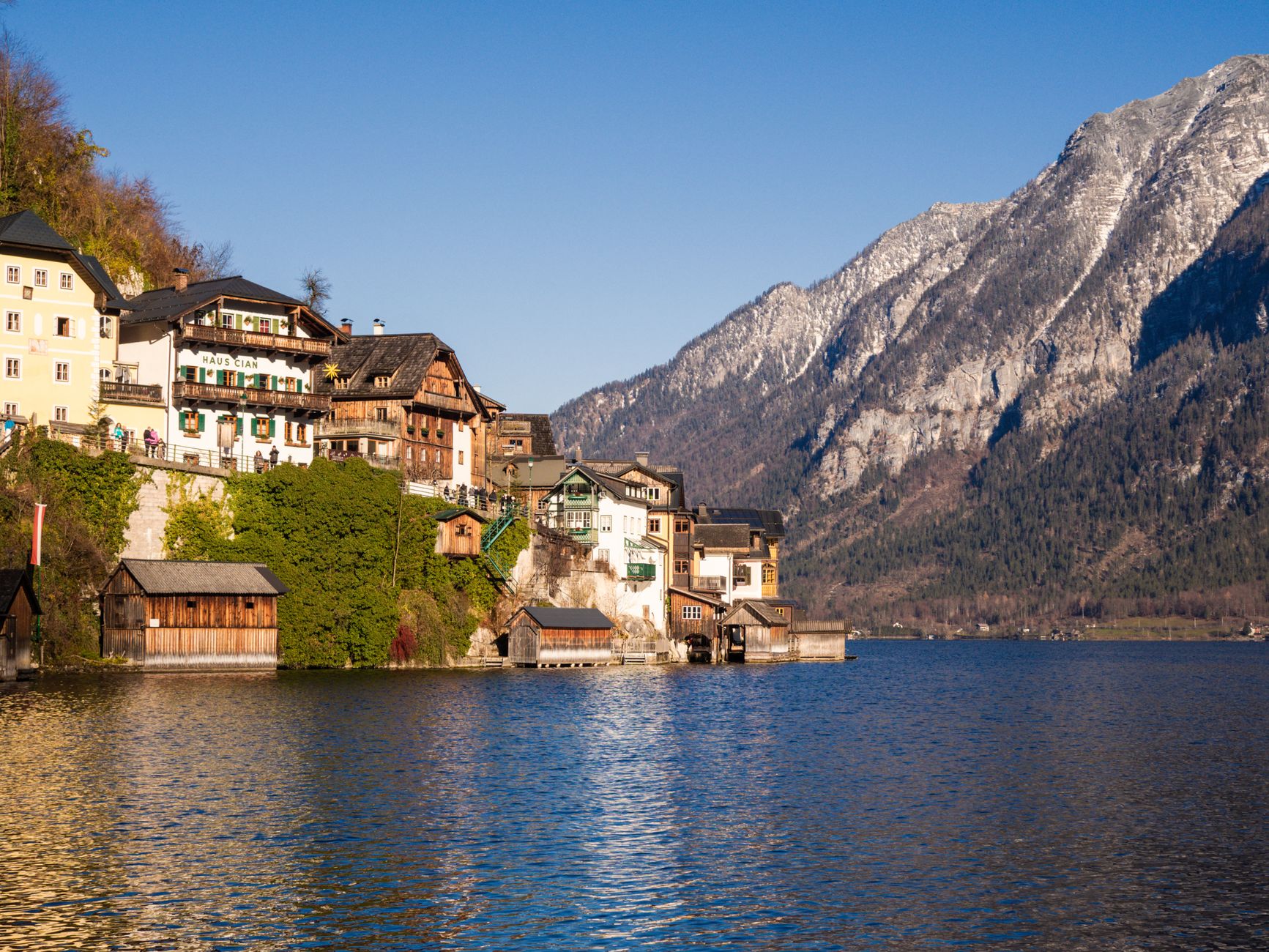
Perched dramatically on the western shore of Lake Hallstatt (Hallstätter See), the village of Hallstatt looks as though it was lifted straight from the pages of a storybook. Surrounded by the towering Dachstein Alps, this UNESCO World Heritage region is famous for its 7,000-year-old salt mines—the oldest in the world.
If you are mapping out a multi-city driving route through this breathtaking lake district, consult our meticulously Tested Itinerary Plan to avoid peak tourist congestion and discover hidden viewpoints.
3. Salzburg: Mozart's Birthplace and Baroque Masterpieces
Cradled on the banks of the Salzach River, Salzburg enchants visitors with its Archbishopric palaces, medieval fortress, and undeniable musical pedigree. The Hohensalzburg Fortress looms grandly over the Altstadt (Old Town), accessible via a scenic funicular ride.
- Top Sights:
- Getreidegasse: A narrow, bustling shopping lane featuring wrought-iron guild signs and Mozart’s birthplace.
- Mirabell Palace and Gardens: Famous for its tiered fountains and as a primary filming location for The Sound of Music.
- St. Peter’s Abbey: Home to one of the oldest restaurants in Europe, Stiftskeller St. Peter.
4. The Dramatic Heights of the Grossglockner High Alpine Road
For road-trippers and adventure seekers, the Grossglockner High Alpine Road is an absolute masterpiece of civil engineering. Connecting Bruck in Salzburg with Heiligenblut in Carinthia, this 48-kilometer toll road takes you past 30 peaks higher than 3,000 meters, culminating at the foot of Austria's highest mountain, the Grossglockner.
"Drive early in the morning to beat the motorcycle tours and experience the alpine mist rolling off the Pasterze Glacier in absolute silence."
5. Innsbruck: The Capital of the Alps
Wedged tightly between jagged limestone peaks, Innsbruck bridges urban sophistication and alpine adrenaline. The city's landmark is the Goldenes Dachl (Golden Roof), adorned with 2,657 fire-gilded copper tiles commissioned by Emperor Maximilian I in the early 15th century.
- Adventure Connection: Step directly from the historic city center into the Hungerburg Funicular, designed by architect Zaha Hadid, which whisks you up into the Nordkette mountain range in less than 25 minutes. Explore more adrenaline-fueled escapades via our curated Adventure Trails hub.
6. The Melk Abbey and the Wachau Valley
Cruising down the Danube River brings you into the sun-drenched terraced vineyards of the Wachau Valley. Perched on a rock outcrop overlooking the river is Melk Abbey (Stift Melk), a stunning Benedictine monastery painted in warm apricot tones.
- Gastronomy Note: The Wachau Valley is legendary for its world-class Grüner Veltliner wines and locally harvested apricots. Pair your abbey visit with a leisurely afternoon exploring wine taverns (Heurigen) in the nearby village of Dürnstein.
7. Graz: Styria's Renaissance Jewel
Austria’s second-largest city, Graz, offers a vibrant contrast to imperial Vienna. Its historic Old Town is one of the best-preserved urban areas in Central Europe, featuring terracotta roofs, Italian Renaissance courtyards, and the futuristic Kunsthaus Graz (friendly known as the "Friendly Alien" museum of modern art).
8. Krimml Waterfalls: Austria's Roaring Cascade
Plunging a staggering 380 meters in three distinct stages, the Krimml Waterfalls are the highest waterfalls in Central Europe. Located within the High Tauern National Park, the spray generates a fine aerosol mist that doctors have proven to possess therapeutic respiratory benefits.
9. Zell am See-Kaprun: Lake and Glacier Playground
Whether you are swimming in the crystal-clear, drinkable waters of Lake Zell in July or skiing down the Kitzsteinhorn Glacier in November, Zell am See-Kaprun offers year-round alpine recreation. It is an ideal base for travelers looking to balance high-energy outdoor sports with serene lakeside relaxation.
10. The Historic Monasteries and Castles of Burgenland
Often overlooked by international tourists, the eastern province of Burgenland offers expansive steppe lakes like Lake Neusiedl, medieval fortress ruins like Forchtenstein Castle, and rolling vineyards that stretch toward the Hungarian border. It provides a peaceful, slower-paced counterpoint to the bustling alpine west.
Practical Takeaways for Your Austrian Vacation
Planning an itinerary that covers both urban cultural hubs and remote alpine passes requires careful balancing. Use the interactive Voyage Roams Trip Planner to map out transit times between Vienna, Salzburg, and the Tyrol mountains seamlessly.
- Best Time to Visit: May to September for hiking, outdoor festivals, and warm weather; December for magical Christmas markets; January to March for world-class skiing.
- Transportation: Austria boasts one of the most efficient rail networks in the world (ÖBB). For remote mountain passes like the Grossglockner, renting a car is strongly recommended.
- Currency: Euro (€). Credit cards are widely accepted in cities, but always keep cash handy for alpine huts (Hütten) and rural bakeries.