Best Kyoto Temples and Shrines: A Sacred Journey Through Japan's Ancient Capital
Discover the spiritual heart of Japan with our definitive guide to Kyoto's most breathtaking temples, hidden shrines, and timeless cultural landmarks.

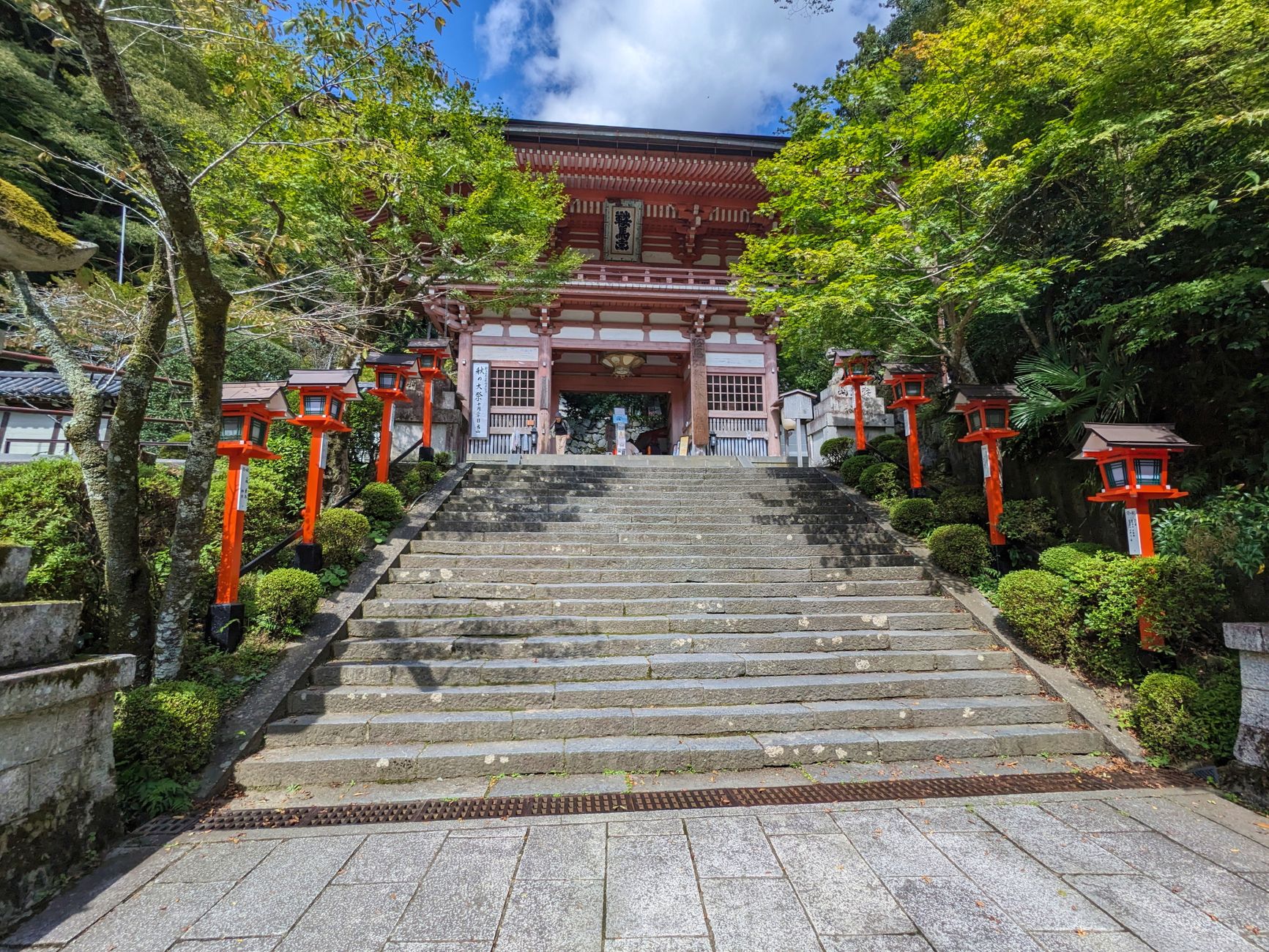
Introduction to Kyoto's Sacred Landscape
Kyoto is more than just a city; it is a living museum of sacred architecture, Zen philosophy, and imperial history. With over 1,600 Buddhist temples and Shinto shrines nestled against the misty backdrop of the Higashiyama and Arashiyama mountains, navigating Japan's ancient capital can feel overwhelming. Whether you are planning your first trip using our Comprehensive Guide or mapping out a multi-day route with our Tested Itinerary Plan, understanding the nuanced beauty of these hallowed grounds is essential for any traveler.
To help you craft the ultimate spiritual pilgrimage, we have curated the definitive list of Kyoto's must-visit temples and shrines, complete with expert advice on timing, etiquette, and hidden perspectives.
Fushimi Inari Taisha: The Endless Vermillion Gates
No journey to Kyoto is complete without walking beneath the hypnotic, bright-orange torii gates of Fushimi Inari Taisha. Dedicated to Inari, the Shinto god of rice, agriculture, and commerce (represented by mischievous stone foxes), this sprawling mountainside shrine complex is one of Japan's most iconic sights.
Cultural Pro-Tip: While the main lower courtyards are perpetually crowded, the true magic unfolds as you ascend Mount Inari. Dedicate at least two hours to complete the full 4-kilometer loop trail, where the tour groups thin out and moss-covered sub-shrines emerge from the bamboo forest.
Kinkaku-ji: The Dazzling Golden Pavilion
Perched precariously over a mirroring pond, Kinkaku-ji (The Golden Pavilion) is a masterclass in Muromachi-period architecture. The top two floors of this Zen temple are completely covered in brilliant gold leaf, casting a breathtaking reflection across the Kyoko-chi (Mirror Pond).
- Best Time to Visit: Arrive right at 9:00 AM opening time to catch the morning sun illuminating the gold leaf before the tour buses arrive.
- Photography Spot: Walk along the western bank of the pond for the classic postcard-worthy panorama.
- Extension: For food lovers exploring local delicacies after your visit, check out our Food & Drink Highlights to find the best matcha parfaits nearby.
Kiyomizu-dera: Architectural Wonder on the Cliffside
Founded in 778 AD, Kiyomizu-dera is famous for its colossal wooden main hall stage, built entirely without the use of a single nail. Jutting out over the lush hillside of cherry and maple trees, the terrace offers sweeping, unobstructed views over Kyoto's skyline.
The Otowa Waterfall Ritual
Below the main hall lies the sacred Otowa Waterfall, split into three distinct streams. Legend dictates that drinking from them grants health, academic success, or a prosperous love life. Choose wisely—drinking from more than one is considered greedy and dilutes the blessing!
Arashiyama Bamboo Grove and Tenryu-ji
While the soaring stalks of the Arashiyama Bamboo Grove draw international acclaim, the true crown jewel of this district is Tenryu-ji Temple. As the head temple of the Rinzai Zen sect's Tenryu branch, it boasts a stunning 14th-century landscape garden that incorporates the surrounding mountains into its borrowed scenery (shakkei).
If you are traveling on a strict budget, exploring these temple gardens remains one of the best value experiences in the country. Dive into our Budget Travel Guides for money-saving tips on temple entry fees and transit passes.
Ginkaku-ji: The Aesthetics of Wabi-Sabi
In stark contrast to its flashy golden sibling, Ginkaku-ji (The Silver Pavilion) embodies the rustic, understated elegance of wabi-sabi. Built by the shogun Ashikaga Yoshimasa as a retirement villa, the grounds feature the meticulously raked 'Sea of Silver Sand' and the 'Cone of Moon Viewing,' symbolizing Mount Fuji.
Practical Takeaways and Traveler's FAQ
- Temple Etiquette: Always bow slightly before passing through a torii gate, remove your shoes when stepping onto temple tatami mats, and speak in hushed tones.
- Admission Fees: Most major temples charge between 400 to 600 yen ($3–$4 USD) for entry. Always carry cash, as many ticket booths do not accept credit cards.
- Ready to Build Your Itinerary? Use our interactive Voyage Roams Trip Planner to map out your Kyoto temple route seamlessly alongside your hotel bookings.
Ready to Turn This Story Into Your Next Adventure?
Save places to your custom wishlist or map out a step-by-step day plan with Voyage Roams.
Elena Vance
Elena travels the globe reporting on cultural heritage, street food trails, and budget exploration for Voyage Roams.
Planning a trip to Kyoto?
Discover verified places to visit, neighborhood recommendations, seasonality charts, and tested budgets in our comprehensive Kyoto portal.

