Best Kyoto Temples and Shrines: The Ultimate Cultural Journey
Unveil the ancient soul of Japan through breathtaking sacred sanctuaries, hidden zen gardens, and timeless architectural masterpieces.

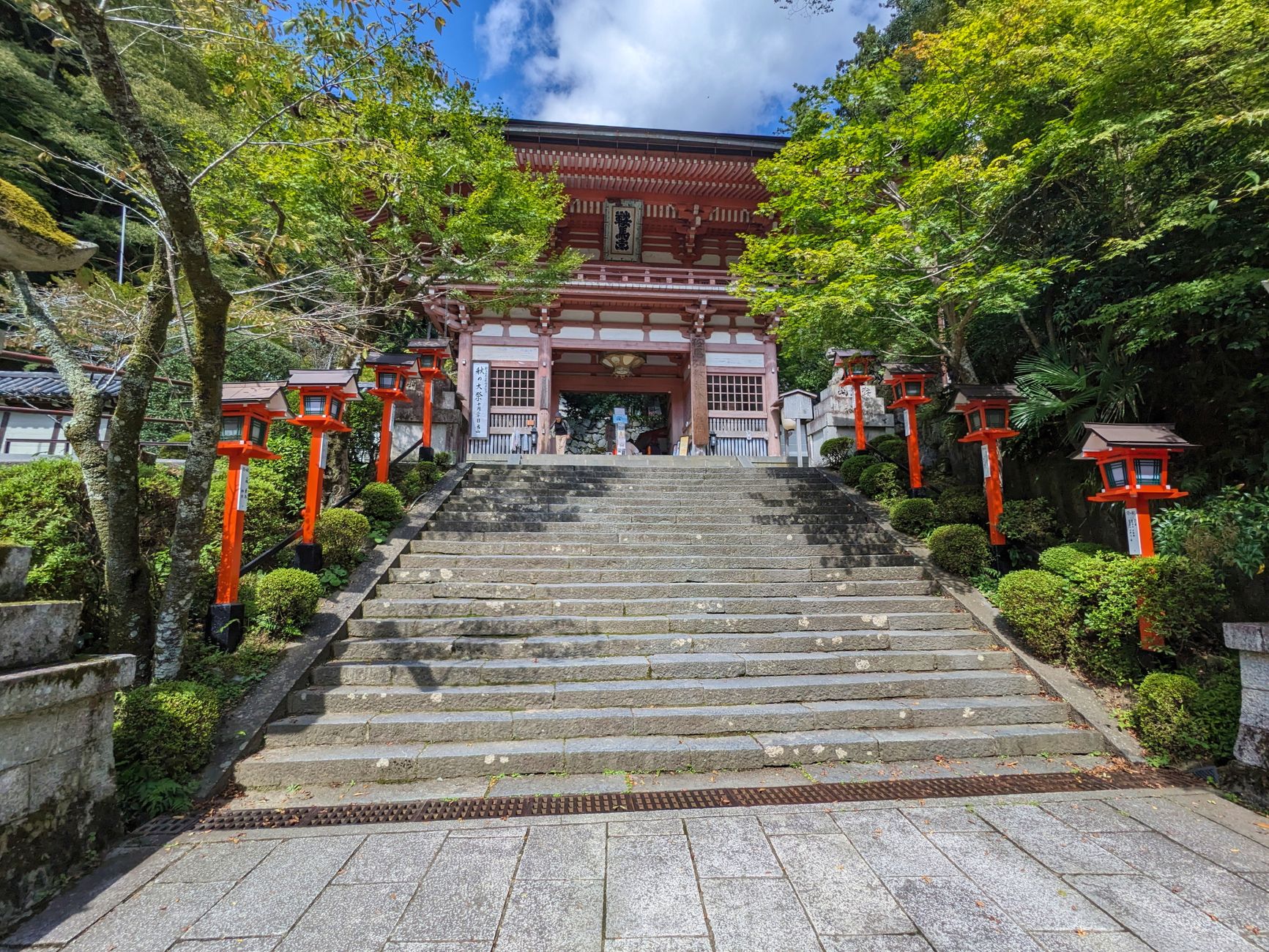
Kyoto's skyline tells a story of centuries past, largely untouched by the ravages of modern development and wartime destruction. Home to over 2,000 temples and shrines, Japan's ancient capital is a living museum of Buddhist and Shinto heritage. Whether you are charting out a cultural expedition via our Comprehensive Guide or diving straight into the architectural wonders, navigating this spiritual heartland requires insider knowledge to escape the crowds and find true tranquility.
Fushimi Inari Taisha: The Infinite Torii Gate Labyrinth
No journey to Kyoto is complete without walking beneath the vermilion tunnels of Fushimi Inari Taisha. Dedicated to the Shinto god of rice and agriculture, this sprawling shrine complex features over 10,000 vibrant red torii gates winding up the sacred Mount Inari.
- Best Time to Visit: Arrive at dawn (around 6:00 AM) to experience the misty trails completely devoid of tour groups.
- The Hike: The full loop to the summit takes approximately 2 to 3 hours. Stop at intermediate viewpoints for sweeping vistas over southern Kyoto.
Cultural Pro-Tip: Don't turn back at the Yotsutsuji intersection halfway up. The upper trails offer quiet bamboo groves and mossy fox shrines that most tourists entirely miss.
Kinkaku-ji: The Dazzling Golden Pavilion
Perched precariously over the mirror-like waters of Kyoko-chi (Mirror Pond), Kinkaku-ji is arguably Kyoto's most iconic visual. The top two floors of this Zen temple are entirely covered in brilliant gold leaf, shimmering majestically against the surrounding seasonal foliage.
For food lovers looking to pair their temple excursions with culinary delights, check out our curated Food & Drink Highlights for the best matcha sweets near the Rokuon-ji complex.
Kiyomizu-dera: Architectural Marvel on the Hillside
Founded in 778 AD, Kiyomizu-dera stands on the slopes of Mount Otowa in eastern Kyoto. Its massive wooden main hall was famously built without the use of a single nail, featuring a sprawling veranda that juts out over the hillside.
- The Stage View: Look out over a sea of cherry blossoms in spring or blazing maples in autumn.
- Otowa Waterfall: Sip from the three separate streams below the main hall to receive health, longevity, or success in studies—though choosing just one is traditionally considered the honorable path.
Arashiyama Bamboo Grove and Tenryu-ji
While the towering stalks of the Arashiyama Bamboo Grove draw international acclaim, the true treasure lies adjacent: Tenryu-ji Temple. As the head temple of the Rinzai Zen sect's Tenryu-ji branch, it features a 14th-century landscape garden that has survived centuries largely unaltered.
- Zen Garden Design: The pond-centric garden borrows the lush backdrop of the Arashiyama mountains, a masterclass in the Japanese landscape technique known as shakkei (borrowed scenery).
Practical Takeaways and Budget Planning
Visiting Kyoto's sacred sites is remarkably affordable, though costs can accumulate if you rely on taxis. Here is a quick breakdown to help you budget:
- Temple/Shrine Admission Fees: Typically range from 400 to 600 yen ($3–$4 USD) per site.
- Transportation: Purchase a 1-day bus pass or use an IC card (ICOCA/Suica) for seamless navigation.
- Customizing Your Trip: Tailor your temple-hopping schedule effortlessly by utilizing the Voyage Roams Trip Planner to map out optimal travel routes.
Ready to Turn This Story Into Your Next Adventure?
Save places to your custom wishlist or map out a step-by-step day plan with Voyage Roams.
Elena Vance
Elena travels the globe reporting on cultural heritage, street food trails, and budget exploration for Voyage Roams.
Planning a trip to Kyoto?
Discover verified places to visit, neighborhood recommendations, seasonality charts, and tested budgets in our comprehensive Kyoto portal.

