1. Timing Your Trip: When to Visit Ireland
Choosing the right time to visit the Emerald Isle can dramatically shape your experience. While the summer months (June through August) bring the warmest weather and longest daylight hours, they also invite the heaviest crowds and highest accommodation prices. For a more tranquil journey, consider the shoulder seasons of May and September. During these months, you will find blooming gorse, manageable crowds, and milder weather.
Weather in Ireland is notoriously fickle—it is entirely possible to experience all four seasons in a single afternoon. Packing in layers is non-negotiable, and a high-quality wind- and waterproof jacket is your best defense against Atlantic squalls. For a structured approach to mapping out your days regardless of the season, try using the Voyage Roams Trip Planner.
Cultural Pro-Tip: Don't let a rainy forecast deter your outdoor plans. Irish showers are often fleeting, and the dramatic, shifting light immediately after a downpour offers the absolute best landscape photography opportunities.
2. Mastering Transportation: Car Rentals vs. Public Transit
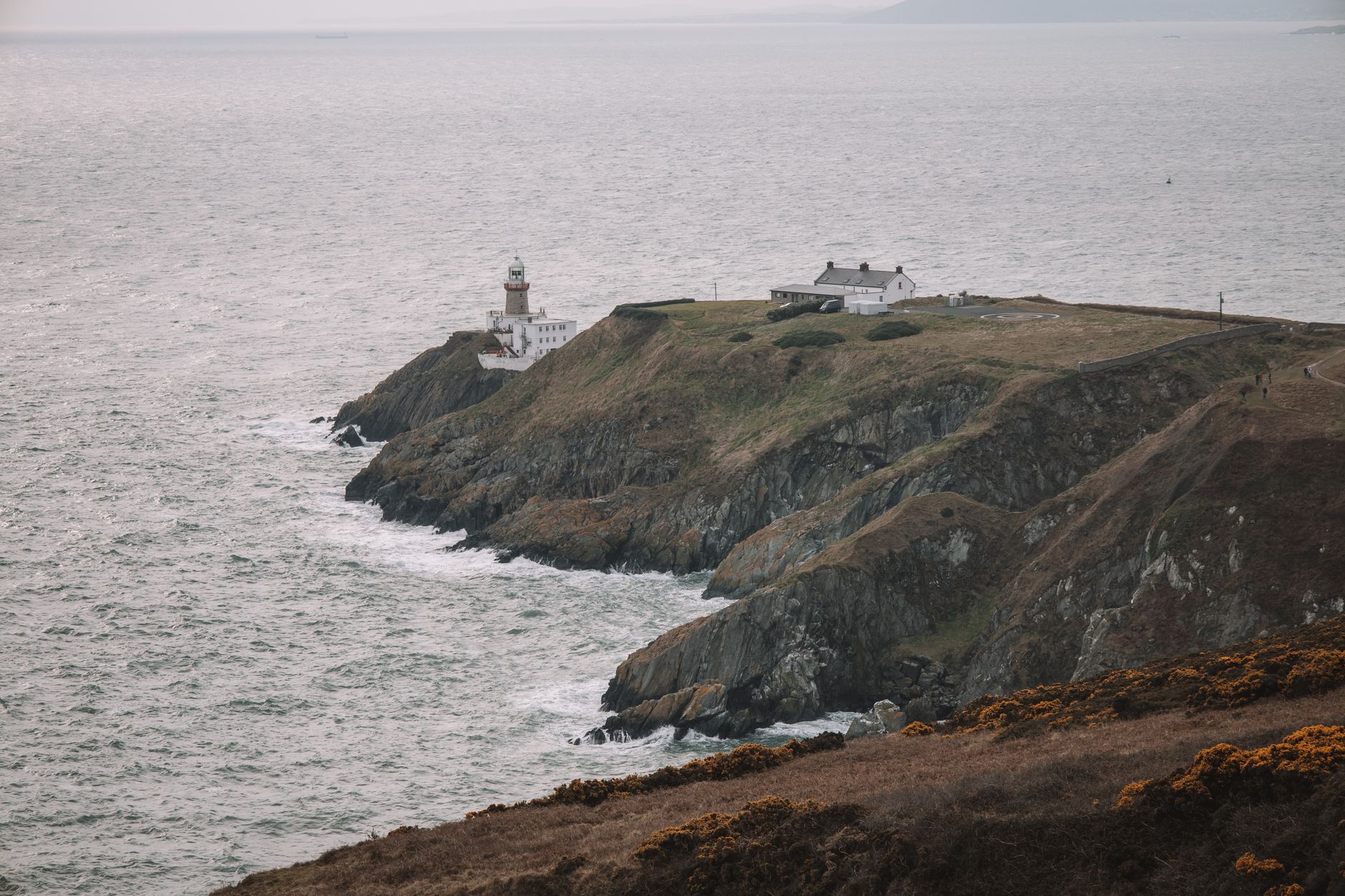
While Ireland's cities like Dublin and Cork are easily navigated on foot and connected well by rail, the true magic of the country lies in its rural landscapes, rugged coastlines, and hidden valleys. To truly explore, renting a car is essential.
However, driving in Ireland comes with unique challenges:
- Left-Hand Traffic: You will be driving on the left side of the road with manual transmission as the default (specify automatic when booking if needed).
- Narrow Roads: Rural boreens (small country lanes) are often flanked by ancient stone walls and high hedgerows with little room to spare.
- Insurance: Familiarize yourself with local car rental CDW (Collision Damage Waiver) policies to avoid surprise fees at the rental desk.
For inspiration on crafting your route once you have your keys, check out our carefully curated Tested Itinerary Plan.
3. Navigating Irish Pub Culture and Dining
An Irish pub is much more than a place to grab a pint of Guinness or a glass of Irish whiskey; it is the beating heart of the community. To make the most of your pub visits, keep these unwritten rules in mind:
- 1Find Traditional Music Sessions: Look for pubs hosting seisiúns (traditional music sessions). These are organic, joyful gatherings of local musicians.
- 2Table Service vs. Bar Service: In traditional pubs, you generally order at the bar rather than waiting for a server.
- 3Food and Drink Highlights: Beyond pub grub like seafood chowder and beef and Guinness pie, Ireland's culinary scene has exploded with farm-to-table dining. Explore more regional culinary tips through our dedicated Food & Drink Highlights.
Secret Spot: Skip the overly commercialized city-center pubs and seek out rural spots like O’Connors Famous Pub in County Clare or Dick Mack’s in Dingle for an authentic, fireside evening.
4. Managing Your Budget: Currency and Costs
Ireland uses the Euro (€) in the Republic, while Northern Ireland (part of the UK) uses the British Pound (£). While credit cards are widely accepted across both regions, keeping some cash on hand for rural parking meters, farmers' markets, and rural pubs is always wise.
To save money without sacrificing experience:
- Book accommodations several months in advance, particularly if traveling during peak season.
- Take advantage of Ireland's world-class free attractions, including the National Museum of Ireland and breathtaking coastal hikes.
- For more strategies on keeping costs manageable, browse our extensive Budget Travel Guides.
5. Respecting Local Etiquette and Heritage
Irish hospitality is legendary, characterized by warmth, quick wit, and a genuine interest in storytelling (craic). To be a respectful traveler, remember that many rural landscapes are also working farms. Always close pasture gates behind you, never trespass on private agricultural land, and respect ancient monuments, ring forts, and monastic ruins.
For a deeper dive into specific regions before you set off, read through our comprehensive Comprehensive Guide.
Traveler's FAQ
Q: Do I need a visa to visit Ireland?
A: Citizens of the US, Canada, UK, Australia, and the EU do not need a visa for tourist stays up to 90 days. Always check the latest entry requirements prior to departure.
Q: Is it safe to travel solo in Ireland?
A: Ireland consistently ranks as one of the safest countries in the world for solo travelers, including solo female travelers. Locals are exceptionally welcoming and quick to offer directions or conversation.
Q: Can I use my phone data seamlessly?
A: If you are coming from the US or outside the EU, check with your mobile carrier regarding international roaming packages, or pick up a local eSIM upon arrival for affordable data.